HANGING OUT WITH USAIN BOLT: A WEEKEND AT THE COMMONWEALTH GAMES

glasgow03_for web

We got tickets to see the final of the athletics at the Commonwealth Games, so we hopped on a plane to Glasgow.

I’ve been to Edinburgh many times, but this was my first time in Glasgow.

We have friends living nearby, so we met for lunch at Mono, a nice restaurant and music venue that serves delicious vegetarian food. We then spent the rest of the afternoon around some of the many bars in the city centre.

THE COMMONWEALTH GAMES

glasgow08_for webScottish summer weather meant the athletics session we saw was very wet. The women in the pole vault struggled to get any results, as did the men in the triple jump. But the atmosphere was great and we had lots of fun.

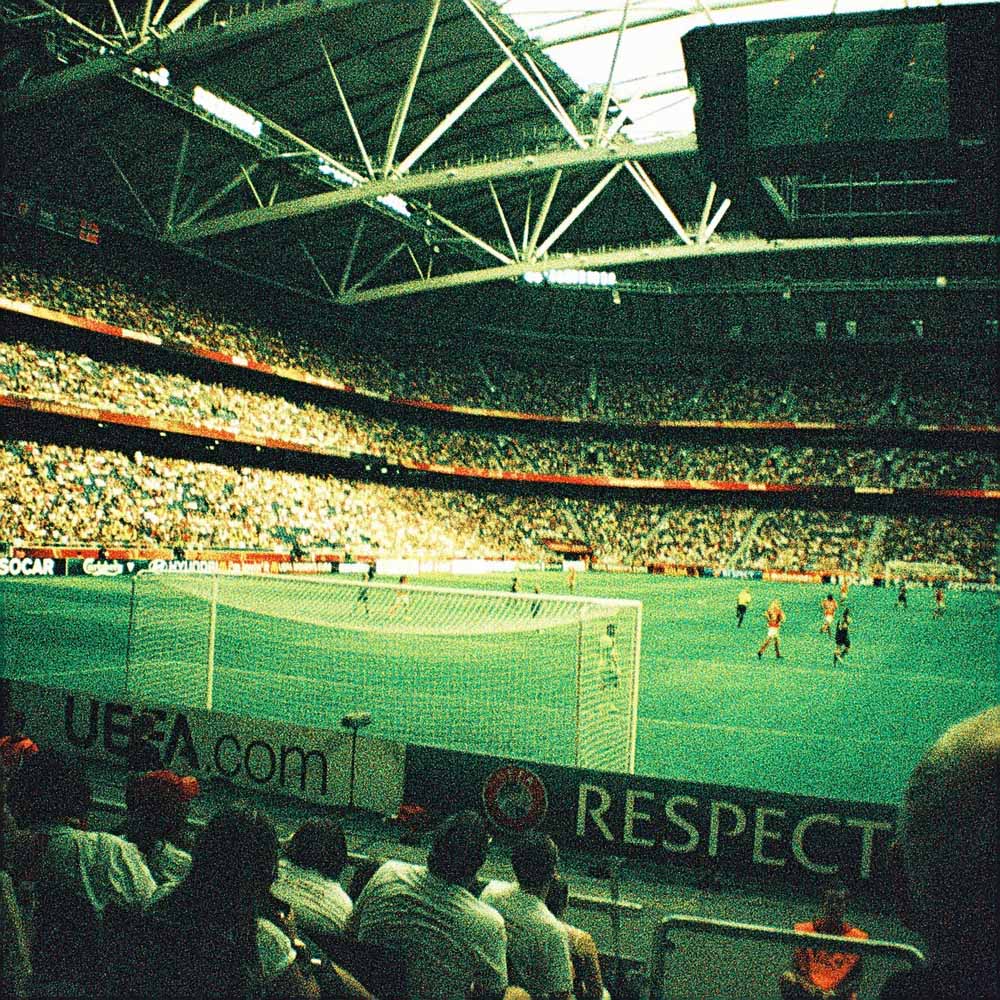
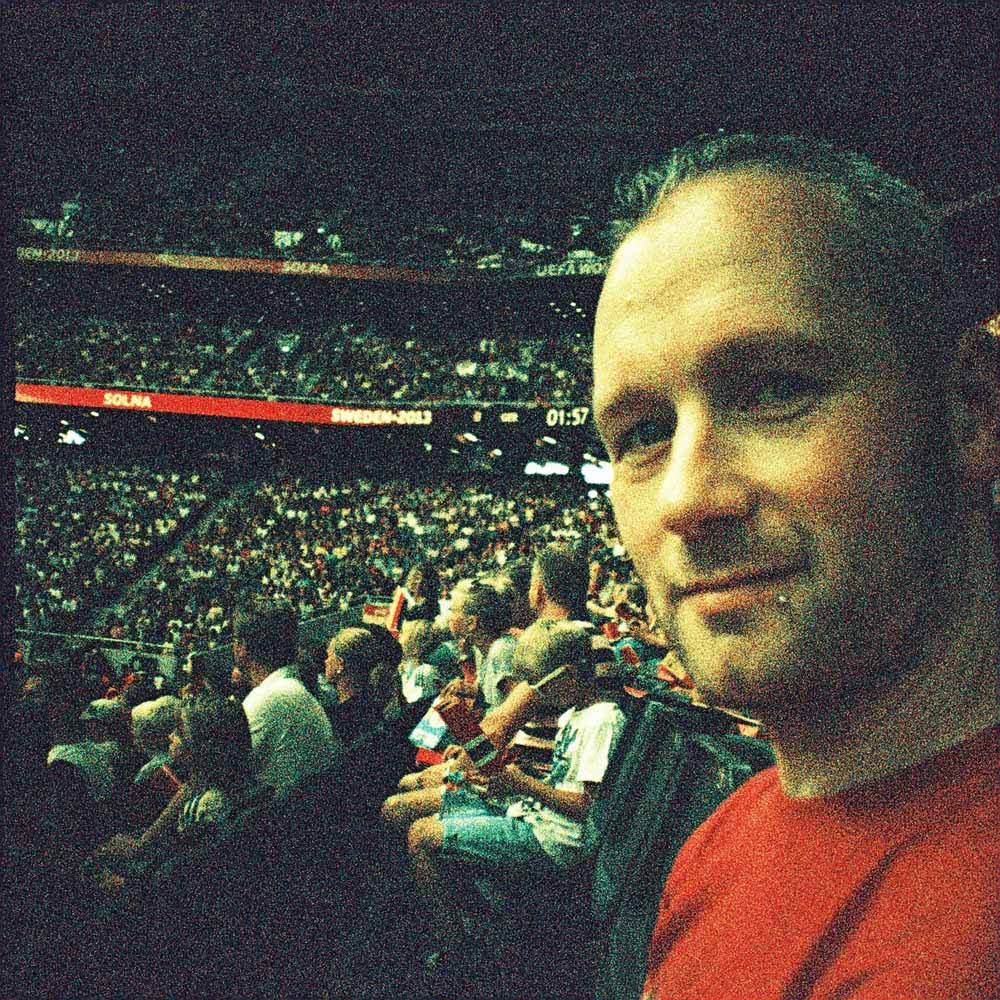
But the definite highlight was the men’s 4X100 relay. Not only did we get to see Usain Bolt competing, but he was right in front of us! We were immensely lucky with the tickets.

Bolt is extremely powerful, and I was really impressed at how he controlled the crowd. And he also seemed to have fun in the process, even dancing to Scottish classic ‘500 miles‘. The Jamaican team won as expected, and this was a climatic finish to a nice day.

 HOW TO DO IT:

  • Tickets: I’ve said this elsewhere, but the key to going to any major sporting event is planning in advance. We applied for a whole bunch of tickets and were lucky to get these.
  • Stay: Glasgow doesn’t actually have that many options, and because this was a busy time we ended up staying at a rented room we found through Airbnb. Aimee‘s flat was ideal for us – a spacious flat close to the stadium and with good links to the city centre.
  • Go: The main airlines fly to Glasgow, but for more options consider flying to (and staying at) Edinburgh, which is quite close and offers more choice.

2 WEEKS IN BRAZIL: THE WORLD CUP

world cup07_for web

It was always going to be the case that the World Cup in Brazil was an event of a lifetime.

When we arrived in Manaus, the city was ready to welcome the tourists, with streets decorated in true Brazilian fashion. And before the shocking meltdown of the semi-finals, the atmosphere was very relaxed.

We watched the opening ceremony and first match in the main square in Manaus. The atmosphere was great, and the powerful sign-along of the national anthem set the scene for the rest of the tournament.

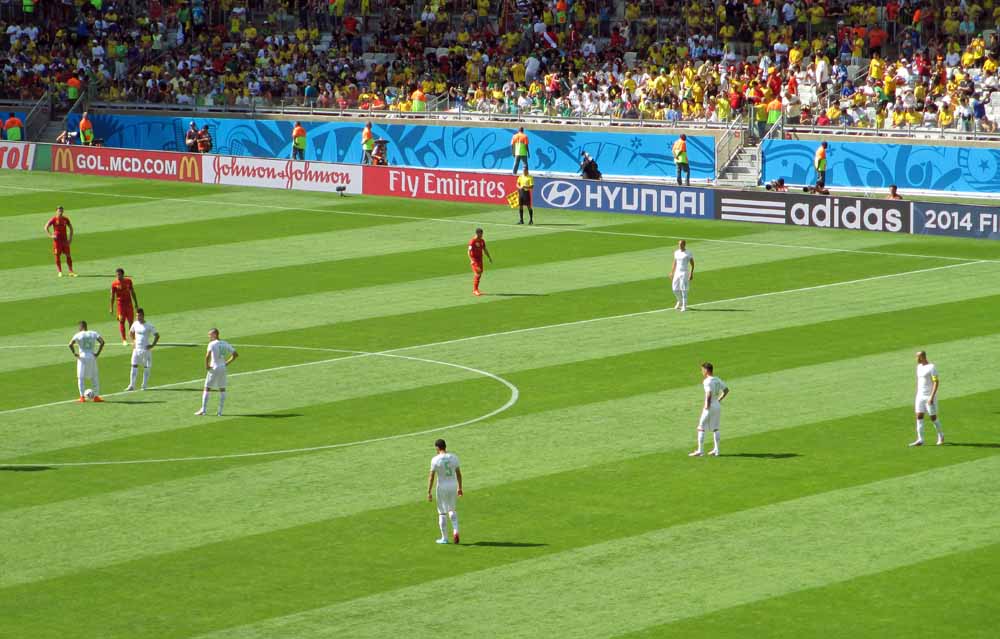
We then flew to Belo Horizonte, where we saw two games: Colombia v. Greece and Belgium v. Algeria.

Colombia v. Greece was great fun, with thousands of Colombia fans creating a loud party atmosphere at the stadium.

For Belgium v. Algeria we expected an easy Belgium win, but the Algerians went ahead to make the game more interesting – and slightly compensating for the fact that Belgium didn’t really deliver to everyone’s expectations.

There was lots of talk before the competition that Brazil wouldn’t be ready to receive the World Cup. But what we saw in the stadium was excellent – even the queues to get in were quick and organised.

The problem with anything in Brazil lies elsewhere: many people were unhappy with the political context and as ever, Brazilian infrastructure is appalling at the best of times. Being Brazilian, I can’t help to agree with musician Tom Jobim, who said “Brazil is not for beginners”.

But for us, our experience in the World Cup was great, we had a truly memorable time that lived up to the expectations.

HOW TO DO IT:

  • Tickets: All major sporting events require lots of planning. We applied for tickets through FIFA at the first possible opportunity and were lucky to get all the tickets we wanted.
  • Money: Again for any major event, you’re likely to pay premium prices for flights and accommodation. Plan and book everything months in advance – I’d say six months is the minimum to ensure you get your selected options at a reasonable price.
  • Do: Getting in the spirit of the event ensures a trip like this is really worthwhile. Check out what the locals are doing and join them – there’s no better introduction to Brazilian culture than watching football in a local bar!

world cup15_for web

2 WEEKS IN BRAZIL: A STAY IN A JUNGLE HOTEL

amazon30_for web

We were looking forward to this, so we started researching for accommodation in the Amazon months before our trip.

We ended up staying at Juma Lodge, and we were very pleased. The trip to the hotel takes about three hours (by car, boat, car then boat again) and then you’re in the middle of the jungle. We booked a two-day package, which was perfect for what we wanted.

amazon18_for web

A WALK IN THE JUNGLE

After settling into our room and having a very nice lunch, we were off for a walk in the jungle. Our guide, Leon, would stop every now and then to explain everything about the local flora and fauna.

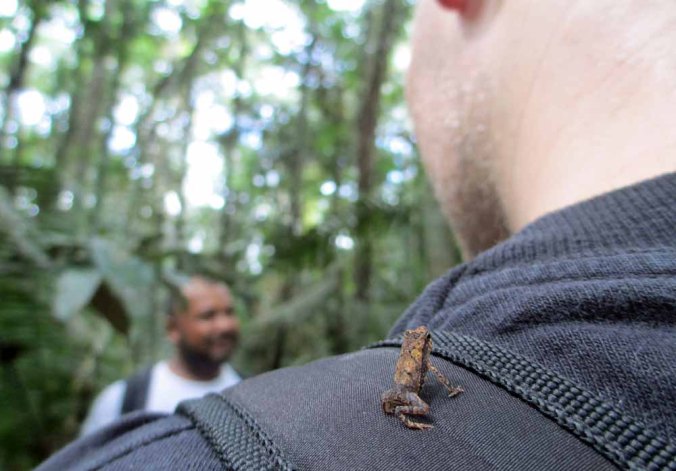
We learned about the medicinal property of some plants and spotted lots of little frogs and a massive tarantula!

For the jungle walk, we had to wear trousers and long sleeve shirts. Luckily, in the jungle itself it’s not as hot.

BOAT RIDES

Our hotel was just above the water, so everything was done by boat.

Apart from the jungle walk, all other activities that we did were boat rides at different times of the day and with different objectives. We went birdwatching in the afternoon, saw the sunrise and went looking for caymans at night.

All in all, the best thing about these activities was seeing the jungle and the river change throughout the day.

At sunrise, everything was very quiet and a mist covered the margins of the river. Riven dolphins came and went. At night, the sounds changed and the moonlight showed us the way. Snakes watched us from the top of the trees.

THE HOTEL

Our hotel was very nice. It was right in the middle of nowhere but extremely comfortable.

Every room was a bungalow built on stilts. Because we went at the end of the wet season, our room was pretty much floating on the water.

The place was very peaceful, with only the sound of birds and the occasional boat breaking the silence. We had our own little terrace with a hammock and amazing views of the river and the jungle. Amazonian luxury at its best.

But the most impressive thing about the Juma Lodge was the staff, who work around the clock to make sure everyone is happy. The guides were extremely well informed, speaking many different languages without thinking twice.

There are a few different options of jungle hotels, but booking in advance is essential to guarantee you get your first choice. Packages are not cheap, but are all inclusive and definitely worth it.

I discovered Juma Lodge through the Lonely Planet Traveller magazine and I definitely recommend it. We paid around £270 per person for a two day package, and although it’s expensive, it definitely delivered on quality.

Ariau Towers is the most famous jungle hotel in the Amazon, and should be really good as well.

2 WEEKS IN BRAZIL: A BOAT TRIP IN THE AMAZON

We were super spoiled in Manaus because my cousin lives there. She booked us on this private boat trip, which was an excellent way to start our Amazonian adventure.

We left early in the morning from a local port. Our first stop was a gas station – over the river:

amazon01_for web

Then off we went. After a couple of hours we reached one of the most famous sights of the Amazon: the Meeting of Waters.

The Amazon river is formed by two rivers: the Negro is dark and warm, while the Solimoes is colder and muddy. These differences, as well as the sheer volume of these rivers, mean that the two flow alongside for about 7km before mixing completely to form the Amazon.

We got great views of the two rivers (much better than when we passed through the same place again in a smaller boat).

The next stop of the trip was swimming with the river dolphins. It was amazing how friendly they were, coming very close to everyone in the water.

This was a lovely and unique experience, but the set up is a bit weird, with tourist boats approaching frequently.

The rest of the day was spent leisurely in the boat, drinking beer and looking at the view. We finished our trip not long after sunset, feeling sunkissed and relaxed.

amazon14_for web

HOW TO DO IT:

Travelling around the Amazon is mostly done by the river, and it’s incredible how these little boats cut through the river as if it was a road. Scary but fun.

There are many local tour organisers, but we were very lucky to have this arranged for us, as we got a whole boat and the local knowledge.

There are countless types of boats big and small, and prices can vary hugely as well.

For short day trips, some of the main attractions are: the Meeting of Waters, swimming with river dolphins and going through igapos (flooded forest).

2 WEEKS IN BRAZIL: MANAUS

We wanted to go to Brazil for the World Cup. Prices were expected to hike up during the tournament, so we decided to go a bit early and visit the Amazon.

MANAUS:

Manaus is the main city in the Amazon basin. It developed rapidly in the late 1800s, and nowadays it exists uneasily as a big city in the middle of the jungle.

There isn’t much to do in Manaus itself, but the city is the gateway to the Amazon.

TEATRO AMAZONAS:

manaus4_for webThe main highlight of the city is this theatre. It is an opulent building financed by the riches of the rubber boom of the 19th century.

The building is open to visit during the day, or for performances on most evenings.

This is the main sight to visit in the city centre.

INPA:

manaus2_for web

This research institute is worth a visit because you get a chance to spot some of the local fauna (although if you’re lucky, you might spot a sloth or two around the local beaches).

HOW TO DO IT:

  • Getting there: TAP flies from Lisbon to Manaus directly, which is the cheapest and fastest option (being neither cheap or fast at over £600 and taking about 9h).
  • Weather: Manaus is extremely hot. There isn’t much difference between seasons this close to the Equator, so the fact that we went during Brazilian winter made little difference. There are two main seasons, dry and wet. Prefer the dry season, when it only rains every few days. Many shops and restaurants have air conditioning, which helps.
  • Food: Manaus is a great place to try a wide selection of fruit, which also makes for great ice cream. The local açaí is excellent. We went a few times to Tambaqui de Banda, a restaurant very close to the theatre (the only with air conditioning around that area). Service was friendly and the food was good. In doubt, order mandioca frita or tapioca.
  • Stay: There aren’t many options available, so book in advance and check for recommendations. We stayed at Hotel do Largo, which was a bit basic but well located.
  • Do: The best thing about Manaus is travelling around. There are lots of local tour operators, all offering similar options.

WHERE TO GO ON HOLIDAY

The Philosopher’s Mail, a recent enterprise by Alain de Botton, recently asked an interesting question which got me thinking about my trips:

An outer answer to an inner puzzle: what is there in the outer world that satisfies something in my inner world?

The article asks us to consider how travelling can fulfil some of our inner needs – the idea is that people should think about what is lacking in their lives and help fill that need through their travels.

I think that makes sense.

My favourite destinations used to be the big European cities, especially Paris.

Nowadays, maybe because I live in London, I tend to look for something else. I like going to places which offer something new, different from what I have at home. I am more interested in the souks of Marrakech than in the shopping centres of Western Europe.

I haven’t shifted to off-the-beaten-track destinations by design, it just happened over time. It seems that I’ve started to feel comfortable in more different settings, actively looking for them when I’m planning my next adventure.

harbour 6

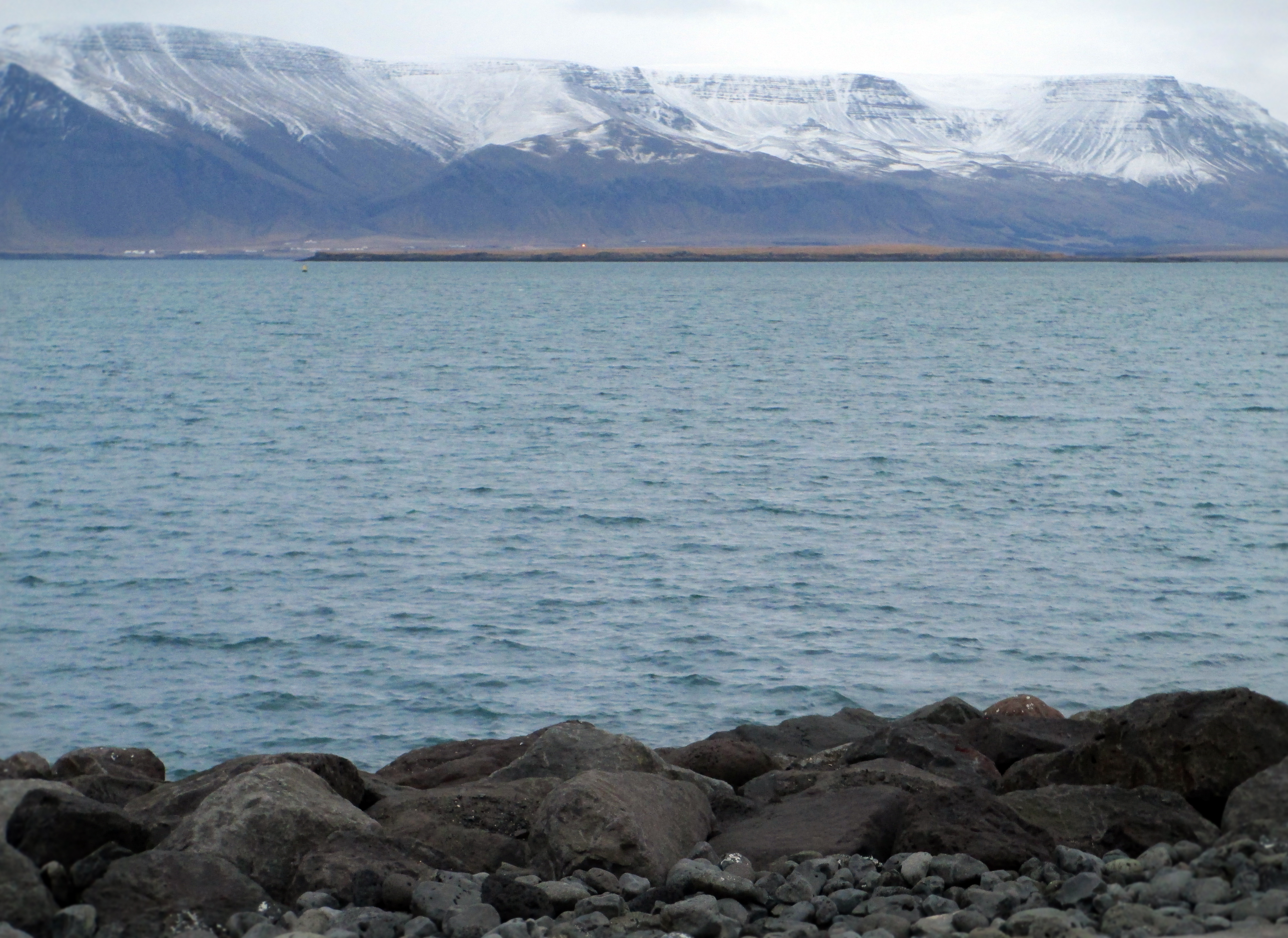
The view from the harbour in Reykjavik

THE 5-MINUTE TRIP PLANNER: A WEEKEND IN EDINBURGH

I go to Edinburgh on occasion to visit friends. It’s easy to get there and it’s always fun.

1

HOW TO DO IT:

  • Go: there are lots of flights from London, but you can also take the train, which takes a bit less than 5 hours. Book in advance as prices can get quite high.
  • Stay: I always stay with friends, but Hostelworld has many options available. Accommodation is not particularly cheap in Edinburgh, but it’s worth paying more to stay in the city centre.
  • Do: On a nice day, hike up Arthur’s seat for a great view of the city. Recover with a nice beer in one of the many great pubs around the city centre.
  • Shop: Ness has lots of nice bags and jackets, with a modern Scottish feel. I always find it a bit on the expensive side, but they often have sales on.
    Easy!

The 5-minute trip planner: Planning a short trip in no time.

TRAVEL WISHLIST: THREE AMAZING LITTLE PLACES

Here are a few places that have been on my mind recently:

TREBINJE, BOSNIA

I heard about this place from our hosts in Belgrade, who were really excited about it. This town is close to Mostar, and judging by the pictures it looks amazing!

BLED, SLOVENIA

We didn’t go to Bled last year when we visited Slovenia, but this place has been on my list since. The church in the middle of the lake is the main attraction, and it looks beautiful!

PAMUKKALE, TURKEY

Natural hot springs in a setting like this? That’s all I need to know really.

A WEEK IN THE OLD YUGOSLAVIA: BELGRADE, SERBIA

We got on a 6am bus from Sarajevo’s main station. Buses depart daily and tickets cost around 50KM (£20) per person, but there are organised tours or you can take the plane. We had no hope that the journey would take 7h10 as we were told, but this time we were surprisingly on time!

The bus goes through the snowy hills of Bosnia and onto the Serbian countryside. The border crossing came and went without much hassle.

We arrived in Belgrade in the early afternoon. This was our final destination. Again the station looked a bit rough and the street names in Cyrillic made for a difficult start, but we found our way around.

THE CITY CENTRE:

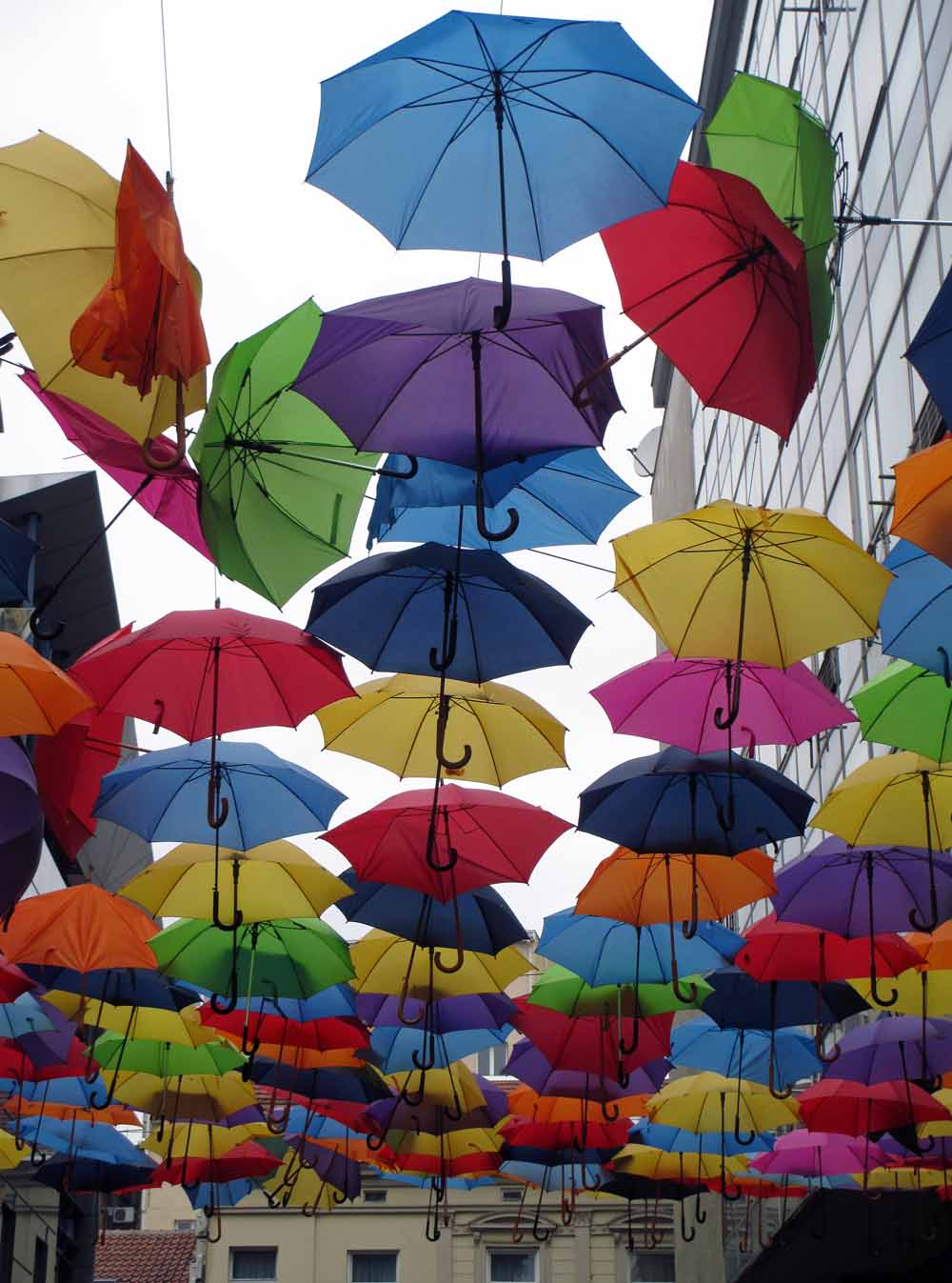
belgrade2_for webThe area between Cara Dušana-Frankuska and the pedestrianised Knez Mihailova is the central area of the city. There are many bars and cafes (plus countless bakeries and pizzerias) around this area.

The pedestrianised road leads to the local fortress. On a nice day (and this was one of them), the views of the city from the fortress can be quite nice. This is also where the Danube crosses the city.

This was the last stop in a long journey, and after much sightseeing I was finding Belgrade a bit gritty and unappealing. But then we hit the bars.

  • We stumbled upon Pastis Bistro, a lovely French place which was quite popular. On the menu cocktails, coffee, great local wine and popcorn (from an old-fashioned popcorn machine).
  • Next we stopped at Cafe La Libertad, where Che Guevara is the hero of choice. This place was low-key and friendly.
  • We ended our first night in the city at Big Pizza, a fast-food pizzeria where we got a massive pizza for £4.
  • On our last day of this journey we continued to visit the local bars. We stopped for coffee and beer at the Eleven Bar & Cafe .
  • Then we moved onto Skadarska street which is lined with nice restaurants on both sides. This little street is very different from the rest of Belgrade, with a much more Western Europe feel. It is known as the Montmartre of Belgrade.
  • We stopped at the Travelling Actor for a drink in the sun and tried the local spirit – quince brandy. Service in Belgrade is friendly and food and drinks are extremely cheap. English is spoken in most places, although not as widely as in more touristic cities.
  • We then reached Dali Bar, which was (obviously) a Salvador Dali-inspired cocktail bar with many options of drinks on the menu. A cocktail costs about £3.
  • Moving on we ventured onto Walter Sarajevski Cevap, a nice eatery where we had beer and chips (their speciality is the cevap, the local alternative to a burger).
  • We then stopped at Jimmy Woo, a trendy cocktail bar where the waiter helpfully warned us that all beers were small (we were clearly not the first people to come from England to stop there). I tried Lav, a Serbian beer.
  • And then everything changed. We find this little hideaway in Višnjićeva street, which instantly became our favourite place. Unhelpfully, this is a hole in the wall without a sign, but it’s only a few doors up from Soho bar.
  • We went for dinner at Osteria Gallo Nero, an authentic Italian place recommended to us at the hostel. Food was delicious and the service friendly. We ended the night back at our favourite place for a few more beers.

Belgrade doesn’t have much to offer in terms of landmarks, but the cafes and bars are great and we had a great time.

 HOW TO DO IT:

  • Getting there: Belgrade is normally at the start or at the end of the journey for people visiting the former Yugoslavia. We travelled with Jet Airways, which provided a good service.
  • Stay: We stayed at Indigo Hostel, where hosts Ana and Voja were extremely helpful. The place was nice and the room spacious. It’s located at the top of Skavarska street, very close to the restaurants and bars.
  • Money: Belgrade is very cheap. You can eat well at a restaurant for £7, and a beer costs less than £2.
  • Food: Eating in Eastern Europe is not easy for vegetarians, but if you stick to what you know it’s not that bad. The best option in to research some veggie dishes in advance and to stick to these. Pizza is ubiquitous, and many places offer a vegetarian pizza option.
THE END:

This was the end of our Eastern European adventure. We started off in Croatia, spent a day in Montenegro, then travelled through Bosnia stopping in Mostar and Sarajevo and finally ending up in Belgrade. We learned a lot from the history of the places we visited and loved the cheap prices – I recommend it!