In my exploration of green tea in Japan, I decided to visit Uji, famous for its high-quality tea. I used Osaka as my base in Kansai, and it was a good place to explore as well.
Wandering the busy streets of Osaka
This was my first time in Osaka. The town is intense, full of crazy signage and mostly very busy.
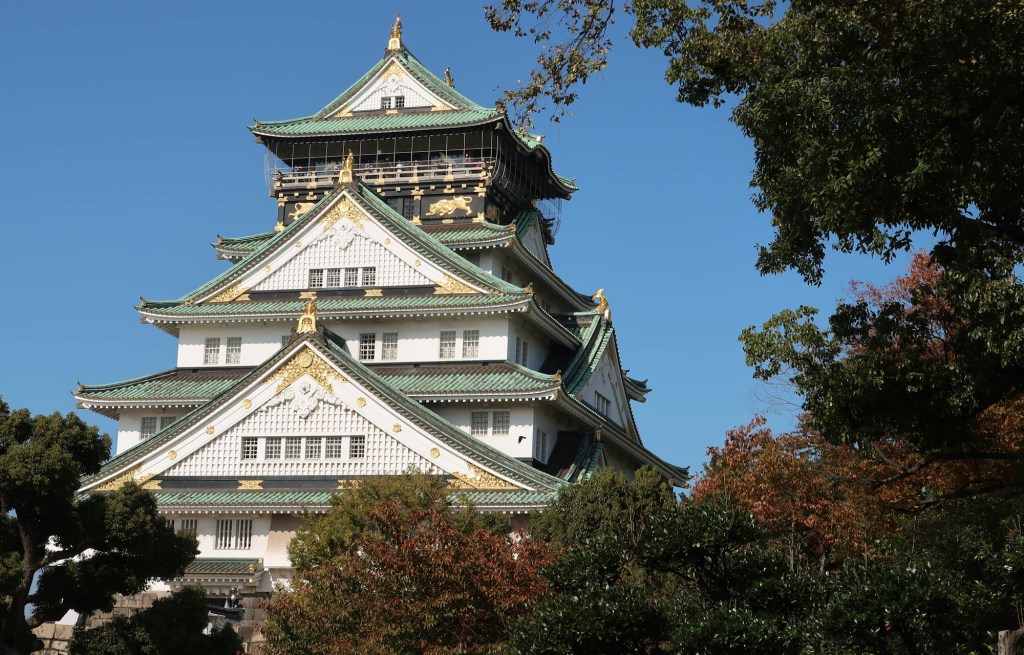
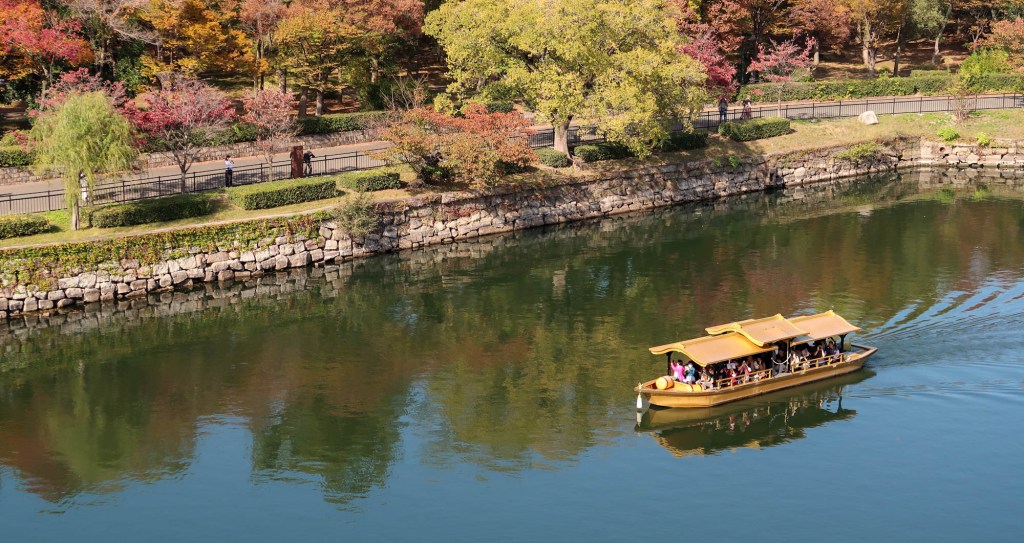
Osaka Castle is one of the main sights and a famous landmark of Japan. The park and garden around it are famous spots for viewing cherry blossoms, but it’s also a good area to simply enjoy the sun.
Shinsekai is full of interesting shops with over-the-top signs, and Dotonbori is packed at all times with people queuing for takoyaki and other local treats. I had the melon pan which was average.
I also visited Namba Yasaka Jinja, a unique shrine shaped like a dragon.
Drinking tea in Uji
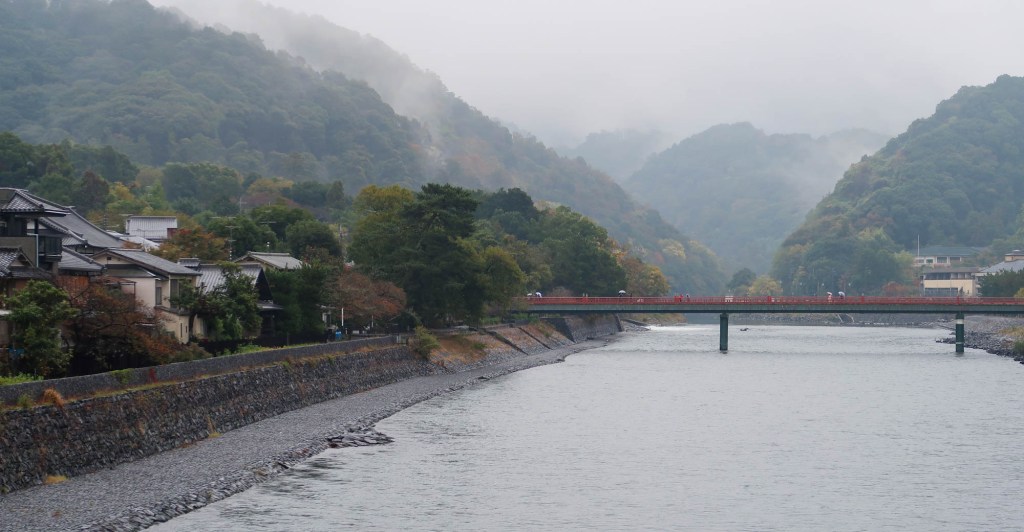
Located not far from Kyoto, Uji is famous for its green tea.
The main attractions are all located in a small area. You can visit the Byodo-in temple, and spend some time exploring the small islands of Tachibana and To-no-shima. There are many tea houses and tea shops around.
It is a great place to visit to try some of the local tea, and it’s also a good place to enjoy at a leisurely pace as there aren’t many tourists around.
Chazuna: a new museum explaining the history of green tea. They also run tea-tasting sessions and other activities.
Tsuen: the oldest tea house in Japan, where you can drink high-quality tea with a view of the river.
Taihoan: located next to the information centre, this place runs different tea-tasting sessions in a traditional tatami room.
This was my third time in Japan, so I mostly spent my time exploring Tokyo at my own pace, visiting some of my favourite places and discovering new neighbourhoods.
Old favourites
I spent some time wandering around Ginza, Marunouchi and Shinbashi, which are always fun. I stopped at Nittele Tower to check out the clock designed by Hayao Miyazaki, which does a little presentation every couple of hours. And of course, I spent a good amount of time going around Tokyo Station, which is a destination in itself.
At the weekend, I visited Yoyogi Park and Meiji Jingu. When the weather is nice, you can join the locals, watch the Strangers dance and have a picnic outside.
Shibuya and Shinjuku were fun and lively as always.
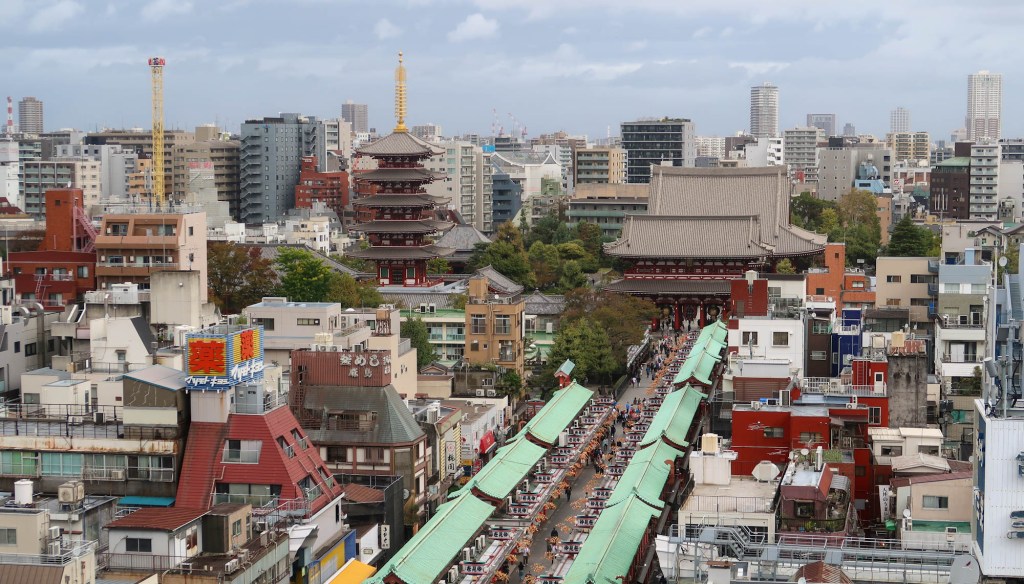
This was my first time staying around Asakusa, which was a good choice. You can visit Senso-ji early in the morning or after the crowds leave for the day. The area is also very well connected. I stopped by the Tourist Information Centre, where you can get rooftop views over Nakamise-dori and of Skytree across the Sumida River.
Nearby is Kappabashi with its neverending kitchen shops, and Kuramae, a neighbourhood full of independent shops and cafés, famous for its handicrafts since the Meiji period.
Discovering new areas
There are lots of neighbourhoods that I don’t know in Tokyo, so I decided to check some of them out:
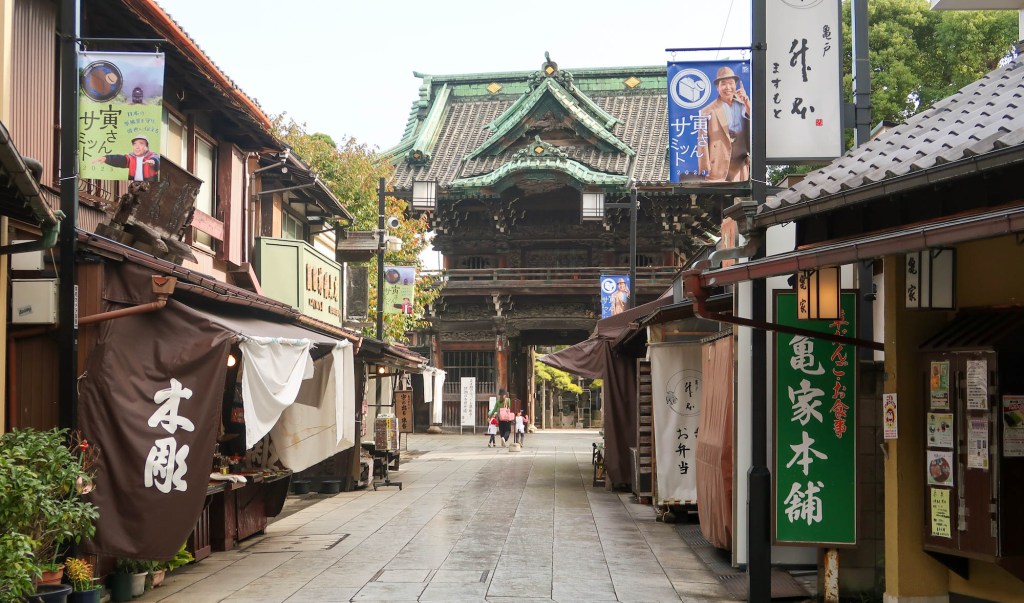
Shibamata: a local neighbourhood with a famous temple. It’s a nice area to explore away from the crowds, and even though it’s not far from central Tokyo, it feels like a completely different place.
Jimbosho: an area famous for its many bookshops. There are plenty of cafés inside bookshops, so I stopped at Book House Cafe for an iced latte. I’ve been reading books by Satoshi Yagisawa set in this area, so it was good to spend some time there.
Sugamo: also known as ‘Granny’s Harajuku’, this is a shopping street popular with the elderly. Great for buying tea and traditional sweets, as well as people-watching.
Sangenjaya: a cool neighbourhood full of interesting cafés and bars. You can get a view of Tokyo from the 26th floor of Carrot Tower, and find King Kong towering over a local building.
Events
There’s always a festival going on in Japan. This time I checked out Tori no Ichi in Hanazono shrine in Shinjuku, where people queued up to buy decorated rakes to ensure luck in business. There were also plenty of food and drink stalls.
I also visited Tokyo Lights, an annual immersive event that showcases a competition in lighting projection. Tickets are free but must be booked in advance.
I usually check out what is on here, and there is always something interesting that fits my schedule.
Tasting all the Green Tea
I wanted to enjoy as many tea experiences as possible on this trip, so I visited traditional tea houses, dessert places and shops.
Tokyo Saryo is an exclusive tea experience, where you get to try two types of tea brewed in three different ways. They are only open on Saturdays, and you can book it here.
Nakamura Tokichi: a high-end dessert place inside Ginza Six. I had the hojicha parfait which was wonderful.
Shizu Kokoro: a tea experience in Asakusa, where Maki-san explains many aspects of the tea ceremony in a traditional tatami room.
Kyoto Saryo Suisen: a dessert place originally from Kyoto with a branch in Shinjuku. It is most famous for its warabi mochi, which is really delicious.
Nanaya Aoyama: a shop specialising in matcha ice cream and tea products. Great for stocking up on a variety of tea-related goods.
Jugetsudo: located on the 5th floor of the same building as Kabuki-za, this tea shop is a hidden gem. I didn’t get to try their matcha desserts, but I bought some green tea and enjoyed the rooftop garden.
Food and drink:
I mostly went back to places I liked, and of course, tried all the seasonal treats from the convenience stores. I enjoyed these places:
Pelican: this popular cafe serves the famous bread of the eponymous bakery. Worth a visit if you’re staying locally.
Komeda Is: the vegan version of the coffee chain, serving a nice selection of kissaten basics.
T’s Tantan: an old favourite that never disappoints!



 Julia's European Adventures