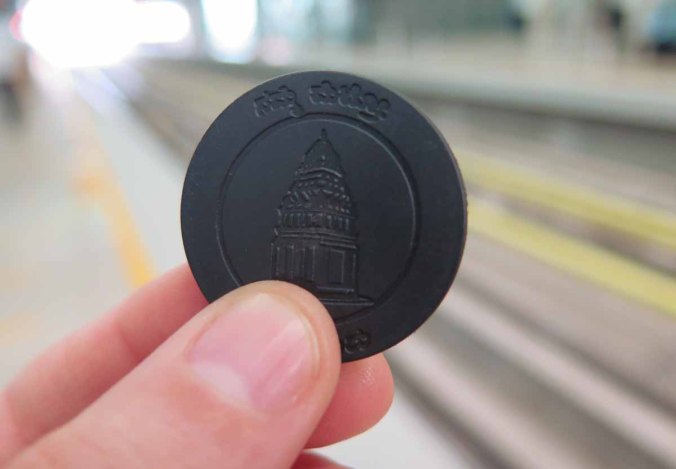
HOW TO TRAVEL LIGHT ON LONG TRIPS: My backpack checklist

My trip to India was going to last 21 days, but I didn’t want to carry around a lot of weight. So I did some research and found a couple of websites with good tips on packing light.

arles 004 - Copy

I’m pleased to say that my packing for this trip was really spot on, so I compiled the list below. I have since used the same list for my 20 day trip to Provence (even a little bid reduced).

Here’s everything I took:

BAGS:

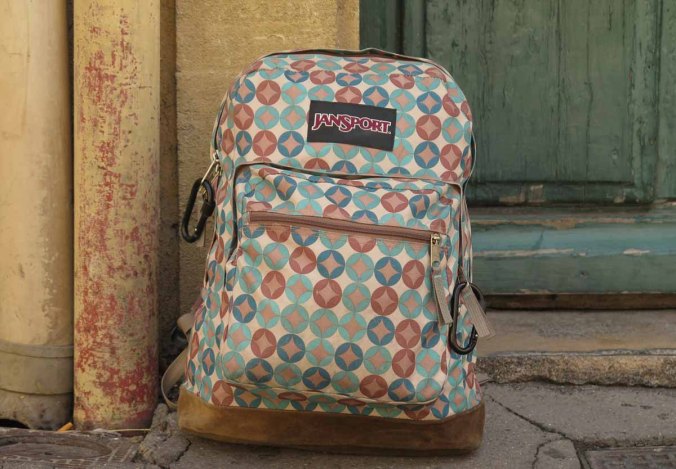
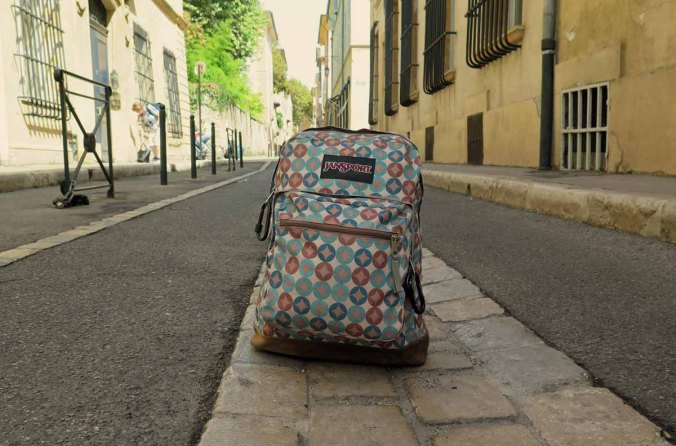
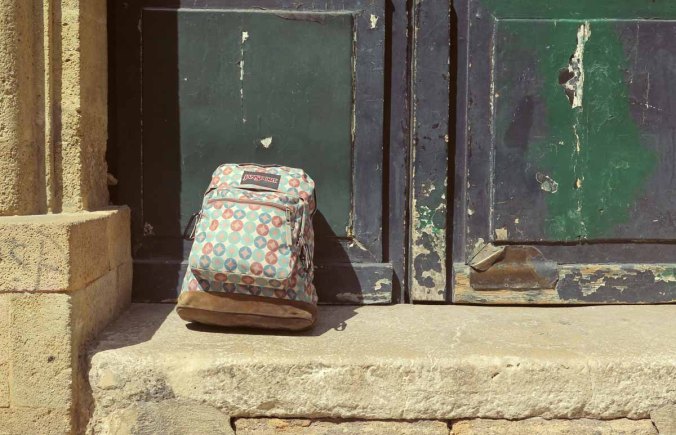
  • My trusted Jansport backpack: this has been with me for 9 years and I love it. It’s only 30l capacity so it can be taken on a plane. It’s not a fancy travel backpack but it’s sturdy and reliable.
  • A foldable day bag: This is something to use as my bag during the day, but it can be put in my backpack for travelling.
  • 3 packing cubes: These were the best purchase! They help keep everything organised when we were on the move, and I really recommend them.
  • A foldable shopping bag: To be used for shopping or as a laundry bag.

CLOTHES:

  • 5 t-shirts (4 would do),
  • 3 trousers (2 would do),
  • 2 dresses,
  • A jumper.

This was plenty, and it’s much easier to wash a couple of items per day than having to do a whole load once a week.

SHOES:

  • Slip on trainers,
  • Flip flops,
  • Sandals.

You’d never need any more than that.

UNDERWEAR:

  • 5 pairs of socks, ideally merino as they dry quickly (3 pairs are actually enough),
  • 5 pairs of underwear,
  • 2 bras,
  • Bikini,
  • Shorts and t-shirt for sleeping,
  • Leggings.

arles 002 - Copy

TOILETRIES:

  • 2 small tubes of toothpaste,
  • Toothbrush,
  • Johnson’s baby shampoo (the full body one, which I used to shower but also to wash my clothes),
  • Moisturiser,
  • Deodorant,
  • Repellent,
  • Suncream,
  • Antibac gel,
  • Band aid,
  • Lip balm,
  • Comb,
  • Tweezers,
  • Nail file,
  • Loperamide and rehydration salts (which thankfully were not needed),
  • Tissues,
  • Ibuprofen,
  • Vitamins.

TECH:

  • My Canon G16 and charger,
  • My Mini Diana and 2 rolls of film,
  • Mobile phone and charger,
  • Universal adaptor (I bought this one which was good and small).

OTHER STUFF:

  • Passport and cash,
  • Printed copies of documents and reservations,
  • Money belt,
  • Wallet,
  • House keys and oyster card,
  • Sunglasses and spare pair of glasses,
  • A spork,
  • Luggage tag in case I wanted to check my backpack on the way back (not needed),
  • Lock,
  • 2 carabiners (for extra safety, but not really needed),
  • Travel kit with inflatable pillow, sleep mask and earplugs,
  • A book,
  • A notebook and pen,
  • A travel towel (which was really useful not only as a towel but also as a throw),
  • A poncho (not used),
  • A clothes line (not used).

There were a few items which I didn’t need in the end but mostly this was a really great travel kit. And because it had everything I needed, it could easily be used for longer trips too.

arles 003 - Copy

SUNNY DAYS AND IMPRESSIONIST MOUNTAINS: In the steps of Cezanne in Aix

aix 009

Cezanne lived in Aix-en-Provence and the city really makes the most of it. A good way of exploring Cezanne’s Aix is following the In the Steps of Cezanne walking tour – you can do a guided version for 9€ or simply get the map from the tourist office and follow the trail yourself.

You get to see some interesting places, such as where the Cezanne family lived at different times, but it’s also good just to see different parts of the city and get an idea of how Cezanne lived.

aix 007

TERRAIN DES PEINTRES

aix 010

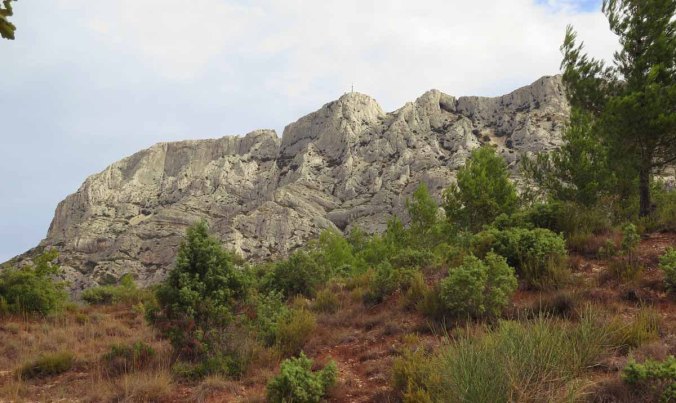
The landscape around Aix features in many impressionist paintings. A good place to see it for yourself is Terrain des Peintres, a hill not too far from Aix where Cezanne painted multiple landscapes from 1902 to 1906 featuring Mont Sainte-Victoire. It’s one of the best places to visit in Aix.

From the city centre it is a 30min walk uphill, with Cezanne’s studio on the way – you can get the bus there but really it’s best just walk. It’s far enough from the city centre for it to be a quiet space to chill.

The view from the top is really nice, you can spend some time taking it in or – if you’re feeling inspired – making your own version.

aix 024

aix 011

ATELIER CEZANNE

On the way to Terrain des Peintres you can visit Cezanne’s studio (ticket for 6€). He built a beautiful space surrounded by nature and made sure that inside the studio you get the same level of light you’d get outside.

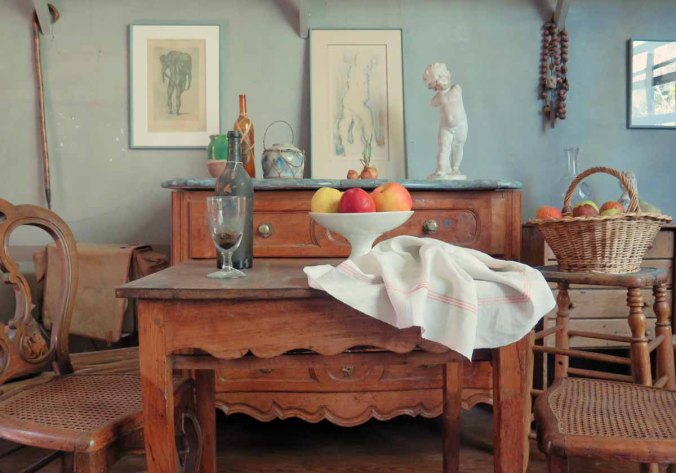
Everything on display was owned by him, and you get to see lots of the objects he used in is his work. It is an authentic and inspiring display, and it’s beautifully curated.

You can also take a break on the grounds of the studio, as there are many tables under fig trees around the place.

aix 023

aix 022

MUSEE GRANET

You can see some of Cezanne’s paintings in the Granet Museum (tickets for 8€). The museum is set in a beautiful building and it displays a good mix of paintings, including some temporary exhibitions.

The big draw is the Cezanne room on the second floor, in which you can appreciate the work of Aix’s most famous inhabitant. Also on display is a good collection of Giacometti’s sculptures and drawings.

The ticket to Musee Granet also gives you access to the Jean Planque collection, a great exhibit of paintings by the likes of Picasso and Braque which are displayed beautifully in a nearby chapel which has been refurbished and turned into a museum.

aix 032

DRAWING IN AIX

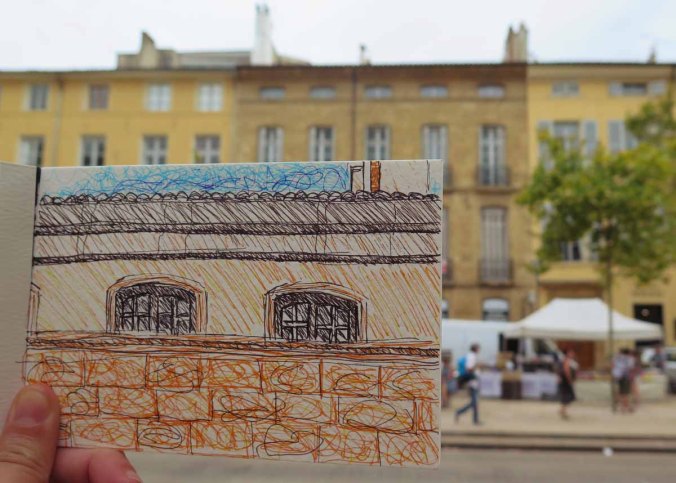
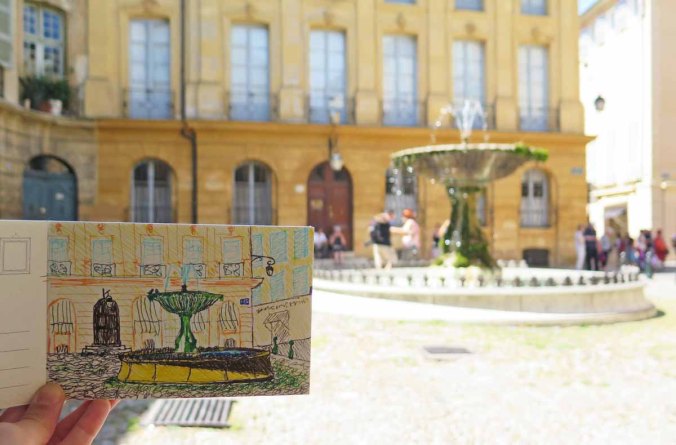
I wanted to take the opportunity to do some drawing while I was in Aix, so I did some research online. I did find one place offering art classes but unfortunately these were not available when I visited, so I just took some supplies and followed Cezanne’s steps to get inspiration (with mixed results).

aix 031

aix 021

ROSÉ WINE AND CUTE MARKETS: a week in Aix-en-Provence

aix 002

I started my Provence trip with a week in Aix-en-Provence. The town is famous for its farmer markets and for being the birthplace of Cezanne.

aix 001

OLD TOWN

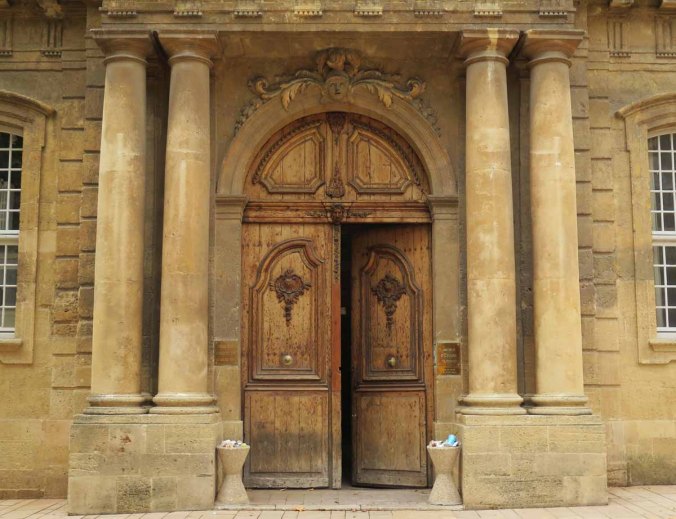
The old city centre of Aix is considered one of the most beautiful in France. The little streets, many of them pedestrianised, are cute and packed with little shops and cafes.

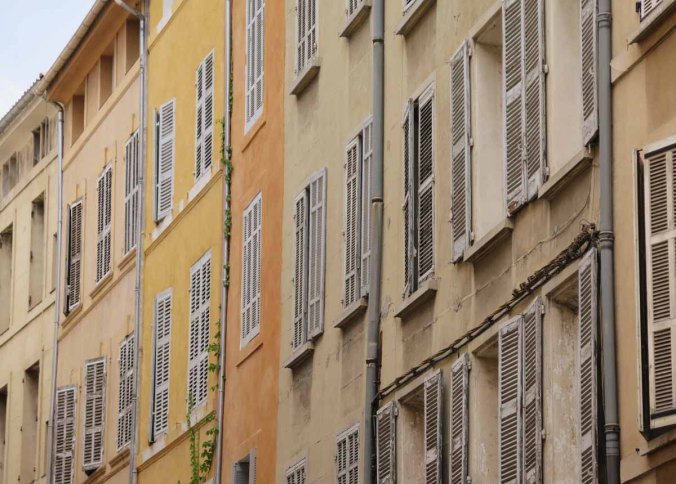
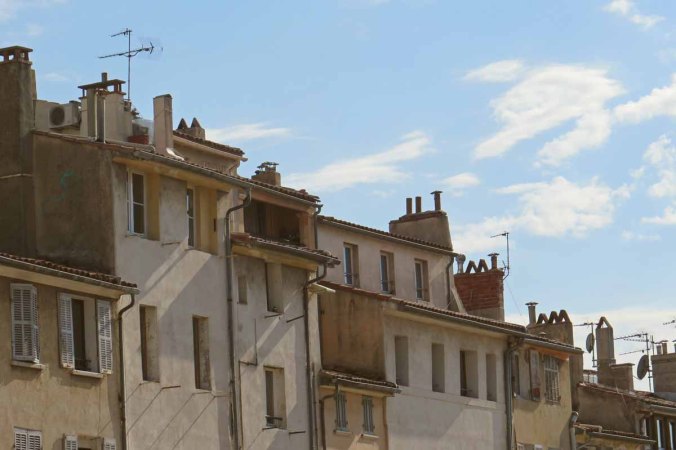
You can wander around for a few hours, stopping for ice cream and taking photos of the terracota facades.

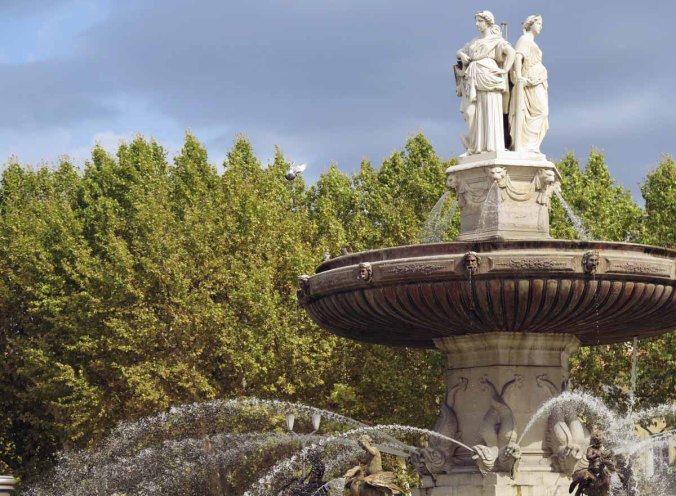
Nearby is the famous Cours Mirabeau, an ample boulevard where you can watch people go by while sipping a glass of wine at Cafe des Deux Garcons (which Cezanne went to).

aix 003

aix 004

MARKETS AND SHOPPING

In the mornings of Tuesdays, Thursdays and Saturdays in the streets near the Rotonde and in the main city squares, many markets take over Aix. Selling local produce, handicraft, clothes and more, these are not only a good place to shop but also an attraction in themselves.

The produce is good and fresh and you can buy the best peaches ever, but I found that the stalls selling things like lavender were a bit too touristy.

aix 005

There’s also a good market in the evenings during the summer in Cours Mirabeau.

Around Aix Old Town there’s tons of little shops, selling all sorts of stuff. Many sell traditional products like lavender and calissons, but it’s good to have a look around first and see what’s on offer in different places – I found only a few shops were selling their own production.

aix 019

WINE TOUR

aix 018

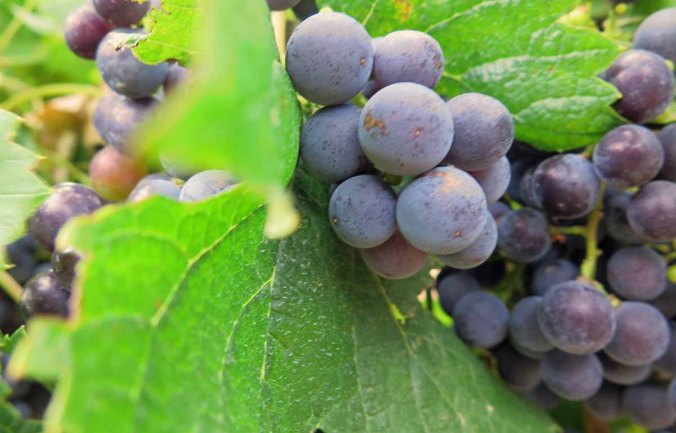
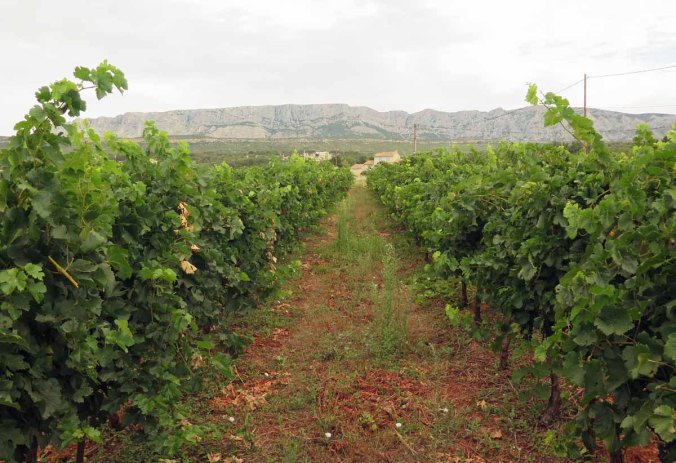
I booked this half day wine tour to see some of the countryside and sample nice local wine. Provence is famous for rosé, so the tour focussed on that.

We visited two wineries. The first, Mistral, gave us a tour of the estate and a detailed explanation of how their wine is produced. We then tasted two types of white wine and three types of rose, as well as two types of olive oil also produced on site. Our second stop was Gassier, another winery where we tried three types of rosé.

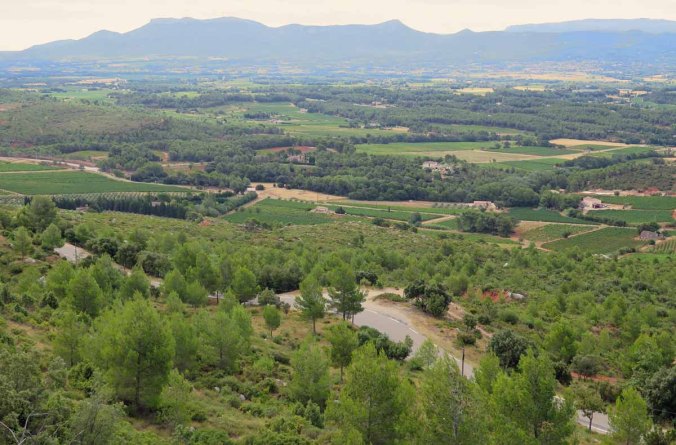
Both places were set in the beautiful landscape of Provence, with great views over the mountains and the colourful countryside. This tour was a good opportunity to do something different for the day.

aix 020

aix 017

aix 016

aix 015

FONDATION VASARELY

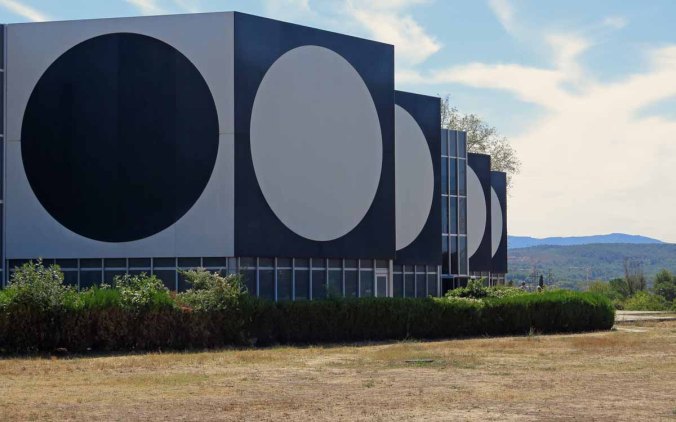
A couple of kilometres outside Aix’s city centre is the Vasarely Foundation (tickets for 9€). The unusual building with towering rooms shaped as hexagons is a nice setting for Vasarely’s artwork, basically a collection of huge optical illusion pieces. It’s an interesting museum which also holds temporary exhibitions (when we visited there were nice displays by Vera Rohm).

The place is currently going through a big renovation, so a few rooms were closed, but it’s still definitely worth the trip – and as with anything with Aix, because it’s outside the city centre most tourists don’t venture that far.

aix 025

DAY TRIP TO CASSIS

aix 027

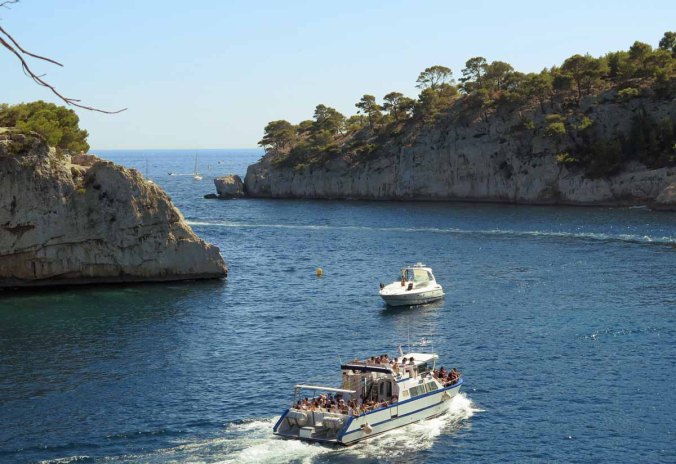
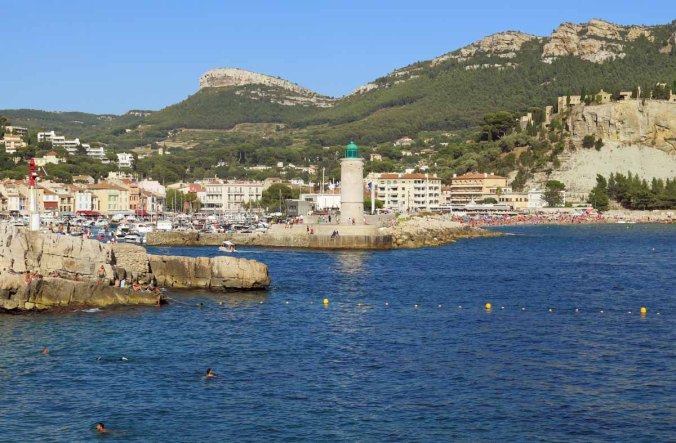
About half an hour by train from Marseille is Cassis, a little resort town by beautiful Mediterranean beaches. The town itself is very pretty, with a little port and plenty of bars and cafes with great views.

But the main attraction are the Calanques, narrow inlets with steep walls that create the most amazing scenery and beaches. You can follow different trails in the national park to reach different beaches and ports – the routes take from 30min to 2h and are not particularly difficult, although it can get quite hot and it’s good to wear comfortable shoes.

aix 030

aix 029

Along the way you get amazing views, and there are lots of cool spots for taking pictures.

To get to Cassis you can take a train from Marseille (takes about 30min). The gare is quite far from the city centre, but in the summer there are tourist busses available.

aix 026

aix 028

FOOD AND DRINK

Food in Provence may not be particularly veggie, but the are lots of yummy vegetables in the region, so it’s a great place for self-catering. In Aix there are lots of restaurants around, and plenty of options to choose from.

Provence is famous for their rosé wine, but beer is also very popular in the bars of Aix. We found a bunch of cool pubs in Rue de la Verrerie – they’re not particularly French, but many served Belgian beers at good prices (our favourite was the Kerry with their happy hour deals). And of course there are plenty of cafes and brasseries all over the Old Town, where you can have a drink al fresco.

aix 008

HOW TO DO IT:

  • Go: Fly to Marseille from London (takes 1h30). From the airport, busses leave every 30min to Aix and take about 35min. Tickets can be bought on the bus for 8.20€.
  • Stay: I stayed in this excellent flat, which was well located and very well equipped. As long as you’re close to the Old Town then everything is within walking distance.
  • Weather: I went in August, narrowly missing the big heatwave, so when I visited the weather was very good, usually just under 30 degrees and sunny. Summers in France can get unbearably hot though, and it’s also high season, so there are more tourists around. On the other hand, days are long and there’s a lot going on. Lavender fields were already gone by the time I arrived, so going earlier is also a good option.

I will do a follow up post on following Cezanne’s steps in Aix.

aix 006

aix 012

aix 013

aix 014

AMAZING FOOD AND MONSOON FUN: Southern India reflections and how to

india 011

India is a massive and diverse country, so it’s hard to define it as a whole. We visited the south of the country over three weeks, and in many ways we barely scratched the surface.

India is loud, vibrant, difficult and appealing all at once. From the luscious green landscape of Kerala to the microbreweries of Bangalore and the hippie lifestyle of Pondicherry, there’s something for everyone – you can spend a month lazying by the beach or joining the local crowds in hipster cafes.

The pull of India is undeniable. Colonial architecture, amazing food and the unstoppable activity are all there to drag you in.

The people we met along the way were really friendly, from the waiters who warned us about spicy dishes to the tuk-tuk driver who asked if we wanted to drive instead, we felt really welcome – everyone seemed to want to make sure we were having a great time; and of course we were.

And obviously India is not an easy country – there’s poverty, crazy traffic and so much noise everywhere. But amid it all, there’s beauty, culture and tradition, temples and gods creating the fabric of a country that really is a world in itself.

india 006

HOW TO DO IT:

Itinerary planning:

Once we decided we’d travel to the south of India, we set out mapping where we wanted to go. I used this tour by G Adventures as the basis of our trip.

  • We did:
    – Mumbay – 3 days
    – Bengalore – 3 days
    – Chennai – 1 day
    – Pondicherry – 4 days
    – Madurai – 2 days
    – Amritapuri ashram – 2 days
    – Kochi – 3 days
    – Mumbai – 3 days

This was definitely a comprehensive itinerary, and although it was busy, as a way of getting to know many places it was the right balance.

Chennai didn’t really have anything to offer, but it’s the easiest starting point to visiting Tamil Nadu. We had a great time in Pondicherry and could have stayed for longer, but four days is definitely enough to see it well. Kochi was another favourite with its easygoing colonial vibe and lush greenery. And of course Mumbai is a whole world.

But the main advantage of our itinerary was that we saw many places off the beaten track – most people I know visit Delhi, the Taj Mahal and Goa. And although I would love to visit those places too, it was great to see a different side of India – one in which many of the stereotypes didn’t hold true.

india 025

Trains:

Travelling by train in India is very popular, and because we were covering a lot of ground, it seemed like a good option. Tickets are really cheap too.

We did a lot of research before buying tickets and booked everything online – Seat 61 was a great help, as purchasing tickets can be a long process.

We took three trains, one during the day and two sleepers. All were good – we chose second class as recommended and it was comfortable and had air conditioning.

Trains were mostly on time, although we had a one hour delay once.

Stations don’t always have clear signage, but both on trains or at the platform people were helpful and gave us the information we needed.

Travelling by train is also a good way of seeing the Indian countryside passing through your window.

Because of the way people drive in India, given the chance I’d always prefer a train over a taxi. Alternatively, for long distances there were good options for cheap flights.
india 008

Transportation in cities:

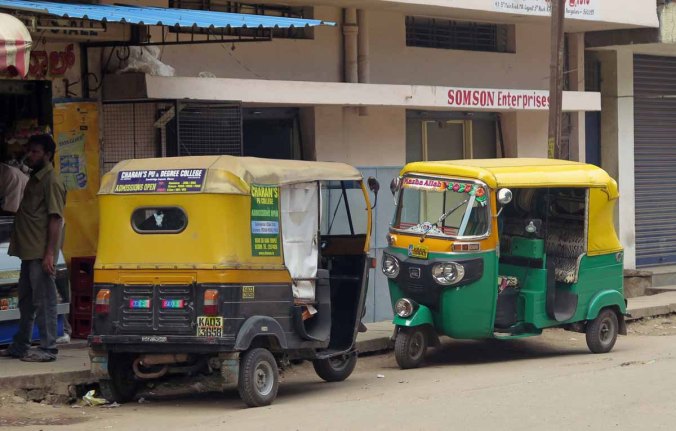
India is famous for its chaotic traffic, and we saw that was the case in big cities. Public transportation is not always available, although you can get the occasional bus or metro. In smaller cities, sometimes things are within walking distance, but in general that is not the case.

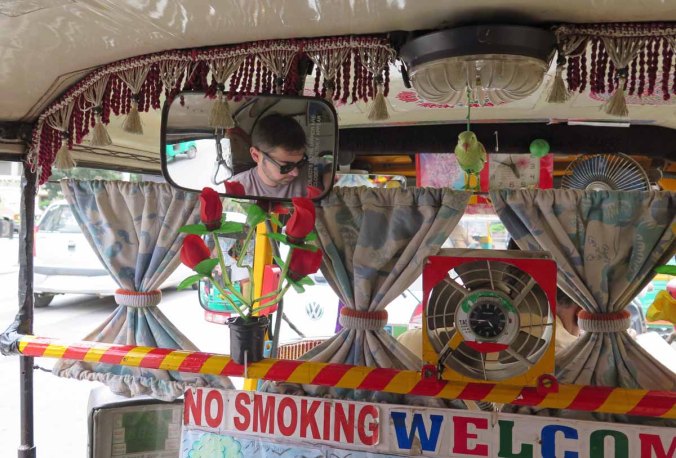
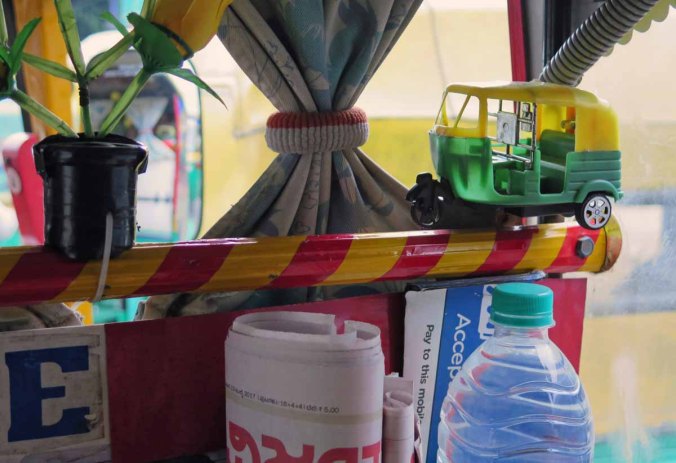
Most of the time you will rely on tuk-tuks or taxis. Tuk-tuks are easily available everywhere and are good fun. In Mumbai and Bangalore there were restrictions on where they could go (and sometimes the drivers will simply turn you down!).

Tuk-tuks area cheap, but you need to agree on a price before you get in – Mumbai was the only place where they used meters.

Taxis in India are mostly app-based. Aside from Uber, Ola is a local alternative, but you need an Indian mobile number to use it. Hotels and restaurants are generally also able to arrange transportation if needed.

india 020

Visa:

You can get an e-visa online, which is a good system. You complete the form and pay the £41 fee on this website. The site has a few glitches, so you may need to try a few times before your application goes through.

A couple of days later you get an email confirmation. All you need to do is print that off and bring it with you to the airport.

Money:

As expected, India is really cheap, and in many ways that is part of the appeal. You can get a cheap meal for £1, a hotel room for £10 and an outfit for £5. In shops and markets it can be hard to bargain as often the starting price is lower than what you wanted to pay (you should haggle anyway though, as it’s the way to do it).

There were three of us travelling and the daily kitty of £20 per person was more than enough to cover everything apart from accommodation (some days we spent only half of it).

In bigger cities, however, we found that prices vary much more, and in Mumbai you could find lots of high end restaurants with prices just a bit lower than those in the UK – so it’s best to save these for a special occasion.
india 015

Weather – travelling during the monsoon season:

We travelled in July, which is supposed to be very hot and wet as it’s monsoon season. Because of that, we decided to travel south – the region is supposed to be really beautiful then.

What we found is that the monsoon wasn’t really what we expected. In Tamil Nadu we got no rain at all. In Kerala we got the occasional storm but that always passed quickly. Mumbai was also pretty much dry.

As for the heat, in some places it did get over 35 degrees, but restaurants and shops tend to have air conditioning or fans, so it wasn’t that bad. Many of the places we visited had a maximum temperature of around 30 degrees, which is hot but not unbearable.

So travelling during monsoon season turned out just fine – and we had the bonus of avoiding the tourist crowds.

People:

You always hear a lot about how much hassle you get in India, but our experience was different. Nowhere did we get much hassle at all – in Madurai we had a few pushy sellers, but that was very minor.

Mostly, when people spoke to us they wanted to ask us for a photo or to chat about our experience in India. People were also very helpful and forthcoming when they thought we needed directions or some guidance.

Yoga and Ayurveda:

We wanted to take advantage of being in India to do some yoga, and we managed to do so in Pondicherry (at Rishi) and Kochi (at Sivananda).

We also managed to have ayurvedic massage in Pondicherry (at Keralaa Ayurveda).

What we found though is that those weren’t as easily available as we expected – we really needed to do some research in order to find the places, and there weren’t lots of options.

With the yoga, we were the only people to show up to the public classes we did, which was great for us but also showed it was definitely low season.

But all we did was definitely great fun and amazing experiences.

india 013

Food and Drink:

Food in India is famously impressive, but it surpassed my expectations. We ate lots of different types of Indian food, both from the north and south of the country, and at varying prices. Pretty much everywhere we ate very well.

Where we ate Western food, it was also delicious – particularly the desserts (so much cake!) were amazing. People always flagged if they thought something may be too spicy for us which was good.

And of course India is a vegetarian’s paradise, so there were always tons of options for me to choose from. I was travelling with friends who have a bit more expensive taste than me, so maybe because of that I didn’t get a case of Delhi belly at all!

Our experience of food in India was a rich part of our trip – from cool cafes to traditional thalis everything added value to our journey.

Drinking in India can be a bit trickier – in some areas there are strict regulations and it can be hard to find a bar, or you may be restricted to only a couple of places serving Kingfisher.

Big cities are easier, with bars and restaurants offering good selections of drinks. These are not super cheap though, so alcohol can have a big impact on your daily budget.

The best place we found for drinks was Bangalore, which has a vibrant craft brewery scene with lots of cool bars serving good beer to the local crowd. Indian wine is available in some upmarket places, but it’s usually expensive.

Shopping:

I knew India was going to be cheap and although I’m not one for shopping, I expected to be tempted. Prices can really be insanely cheap, but I didn’t always find things as appealing as I thought I might.

Shopping for sarees was the only thing that was a bit overwhelming as there were countless options everywhere. I still bought a few things but nothing over the top.

We also found some upmarket shops with more unique options (Fabindia was our favourite). Those still had reasonable prices but were less conducive to a shopping spree.
FISHING NETS AND CONTEMPORARY ART: Three days in chilled Kochi

india 045

DAY 1

We took a taxi from Amritapuri ashram to Kochi, arriving at lunchtime. We dropped our bags at our hotel and set off exploring the area of Kochi Fort.

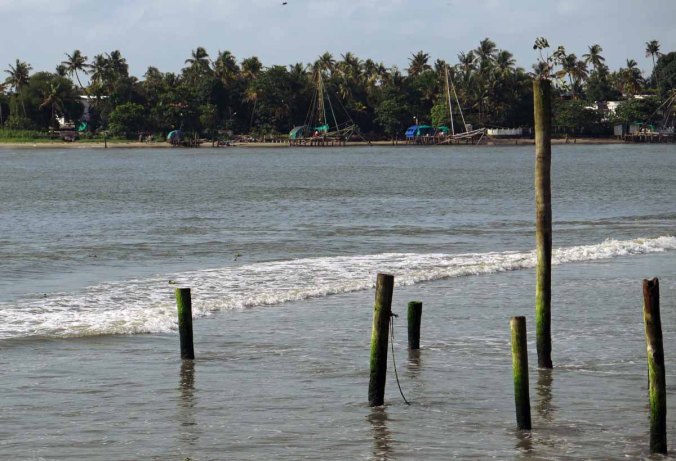
Kochi is a beautiful city – it combines the lush green of Kerala and colonial architecture with Portuguese and Dutch influences.

The area close to the beach is very laid-back and full of cool cafes and shops. We had lunch at Malabar, an amazing restaurant and hotel on impressive grounds serving the most delicious food (lunch for 2700 rupees for three).

We carried on wandering around and taking in the atmosphere until we reached XL, one of the few places selling beers in Kochi (three beers for 670 rupees).

We then reached the promenade right in time for the sunset, when the crowds were hanging out and enjoying the good weather.

We bought some ice cream on the way to the hotel and headed back to enjoy a chilled night in.

india 046

DAY 2

We woke up early and headed to instant favourite Loafers for breakfast. This is a great cafe serving the most delicious food in massive portions (breakfast for three for 1000 rupees).

We then decided to walk to the area of the Jewish Synagogue – although not too far, the 2km to get there felt quite long as it was insanely hot.

We stopped at the Dutch Palace (tickets for 5 rupees), a beautiful building where you can learn about the history of Kochi. We then walked around the many shops selling all sorts of handicraft of the way to the synagogue – the shops really are an attraction themselves.

india 042

We took a tuk-tuk to Oceanos, a Portuguese-Keralan restaurant serving lots of traditional local fare (mostly seafood) – it was delicious (lunch for 1400 rupees).

After resting at the hotel for a bit, we headed to a challenging but fun yoga class at Sivananda, which offers an open class every day at 5pm (400 rupees per person).

We then hopped on a tuk-tuk to the Seagull hotel, which has a popular restaurant overlooking the harbour (light bites for three for 500 rupees). We ended the night right back where we started at Loafers for some yummy and rich dessert (500 rupees for three), and then it was time to head back to the hotel.

india 044

DAY 3

We started our last day in Kochi at Teapot, one of the many nice cafes around the town centre (breakfast for 1000 rupees).

We then took the ferry to Ernakulam (tickets for 4 rupees), another area of the city. Although it was good to take the ferry for the views along the way, Ernakulam itself doesn’t offer much – we just stopped at Volga for beers (two beers for 400 rupees) before heading back to Fort Kochi.

We had lunch at Kashi Art Cafe, another beautiful place serving nice food and much needed iced tea (lunch for 1200 rupees), before heading back to the hotel to get a break from the heat.

We had another yoga class at Sivananda, then headed to David Hall, a beautiful arts centre and restaurant, for a much deserved break and a meal. They served delicious pizzas (dinner for three for 1200 rupees) in their green backyard where you can enjoy the surroundings and pretend you’re in a scene from a Wes Anderson film.

Then it was time to head back to the hotel and pack for the morning.

india 047

HOW TO DO IT:

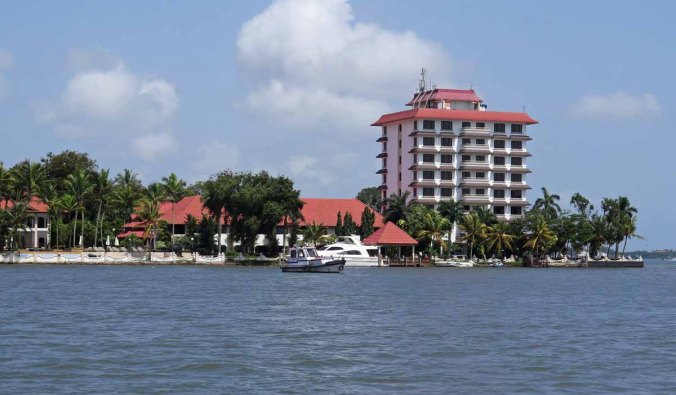
  • Stay: We stayed at Reds Residency, a nice B&B in Fort Kochi. Kochi is spread over a few different areas, but Fort Kochi is definitely the best place to stay as everything is within walking distance.
  • Transportation: Kochi is relatively small (at least the areas we wanted to see) and many things are close together. Particularly in Fort Kochi, you can cover most places on foot. However, with the heat it is sometimes a better option just to take a tuk-tuk – we found they had much better prices in Kochi than elsewhere in India, and most trips cost just 50 rupees or so. Transportation to and from the islands is done by a regular ferry service.
  • Drink: Although we found loads of cool cafes and restaurants, not many places in Kochi serve alcohol. XL (which wasn’t that good), Seagull and Old Harbour were the places to go for a drink in the evening – and clearly all the other tourists around knew about this too.

india 043

HUGGING SESSIONS AND BEACH MEDITATION: Visiting Amma’s ashram

We took a sleeper train from Madurai to Kayankulam. It was scheduled to arrive at 1am but we ended up about an hour late. We then hopped on a tuk-tuk and 30 minutes later we reached Amritapuri ashram.

After some initial difficulty, a security guard let us in and found us a temporary room where we could sleep until the morning.

DAY 1

We checked into our actual rooms (men and women sleep separately) at 10am, then took some time to explore the grounds.

At 4pm we had a guided tour of the ashram and how everything works. The place is a massive complex which includes the house where Amma was born. There are 4,000 people living there currently, and the place continues to grow. The grounds are really beautiful and include a temple and many other buildings. You can get amazing views over the beach and backwaters too (no photos allowed, although I managed to sneak one in).

At 5pm everyone headed to the auditorium for a meditation session with Amma, which was followed by a Q&A (in which she mostly told long stories about her childhood) and some chanting (the kind of music that brought the Beatles to India back in the day). Then it was time for dinner before heading to bed.

IMG_20170723_141615_932

DAY 2

The second day of our stay was busier as it was a Saturday and Amma was having one of her open darsham (hugging sessions). We had breakfast then spent most of the day reading by the beach. It is a beautiful scenery (not good for swimming though), and a place where Amma encourages her followers to meditate.

We also spent some time sitting in the house where she was born, which is another place for meditating.

Foreigners can take part in the darsham but only after all of the Indians, which can mean a long wait (Amma’s sessions often last until after midnight). So without any indication of how long we might have to wait, we decided to call it a night. Amma comes to London every year, so I’ll have to catch her here on her next visit.

In the morning it was the end of our ashram stay – we had breakfast and then it was time to take the taxi to Kochi.

india 040

HOW IT WORKS:

Amma is world-famous, particularly for her massive hugging sessions. You can book online to stay in her ashram (for a nominal fee of 250 rupees per day). Meals are included in the price but you can also buy other food cheaply at one of the local cafes.

Inside the ashram you also have a cash machine, supermarket, gift shop, fruit and juice stall and more – so you really don’t need to leave the place.

Rooms are simple but nice and clean, pretty much like a cheap hostel. Men and women sleep separately in rooms for 3 or 4 people.

Once there, there are some activities during the day, such as meditation and chanting. When you arrive they give you a schedule for the day, which includes the activies and meal times, as well as plenty of free time to meditate on your own.

You need to register to some of the activies (such as yoga classes), but it’s easy enough to get the information you need. However, on any given day you only have a couple of things going on, so don’t expect a packed agenda.

Guests can also choose to do seva, that is, help out with the running of the ashram. We saw people doing all sorts of things, from checking in guests to helping carry something heavy.

There are many Indians but also plenty of foreigners, and we spoke to many people who were visiting for a second time and planning to stay for a few months.

You are supposed to ‘dress modestly’ and Amma’s followers usually wear white. In practice, the place is not particularly strict but most people wear some kind of hippie outfit (you can but these there).

There are no phones or cameras in the ashram (although occasionally you do see some people on their phones). This was interesting. Because there’s lots of free time, it’s the kind of place where you can easily spend hours on your phone. But without that option I never really thought about it, and switching off for two days was very easy.

You can reach the ashram by train (although it arrives in Kayankulam at 1am) or they can help you arrange taxis to other nearby towns.

india 041

ASHRAM VISIT – SHOULD YOU DO IT?

I’m really happy that I got to experience a little bit of ashram life. Amritapuri is a massive complex full of people and set in an amazingly beautiful place, so it was a good one to see.

We were especially lucky that Amma was there when we visited (she’s not usually around), as we got to see plenty of her in action.

On the other hand, it’s tricky to fully immerse yourself in the place when you don’t have a personal connection with Amma – her presence is powerful, but for me two days were plenty.

The other thing is that there is very little to do – and that is very much the point – so if you’re restless like me it can be a bit tricky.

And I’m happy I went with two friends – you meet a lot of people but most are staying there for a long time, so it’s hard to relate.
Overall the experience was really good, and one to remember.

TEMPLE SPOTTING AND SHOPPING FOR DHOTIS: Two days in Madurai

india 037

DAY 1

We took the overnight train from Villuparum to Madurai, arriving at 6am. After having breakfast and leaving our bags at our hotel, we headed to Meenakshi temple, which is the main reason to visit Madurai.

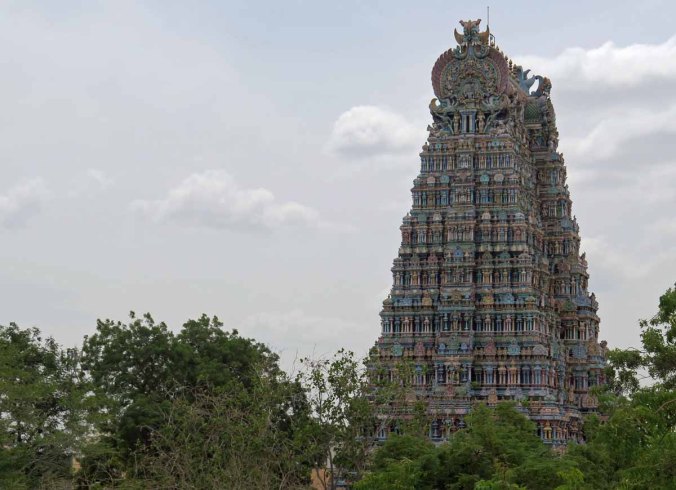
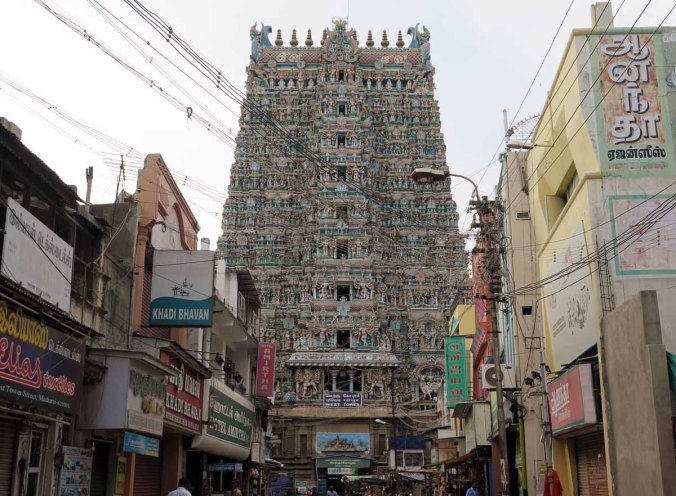
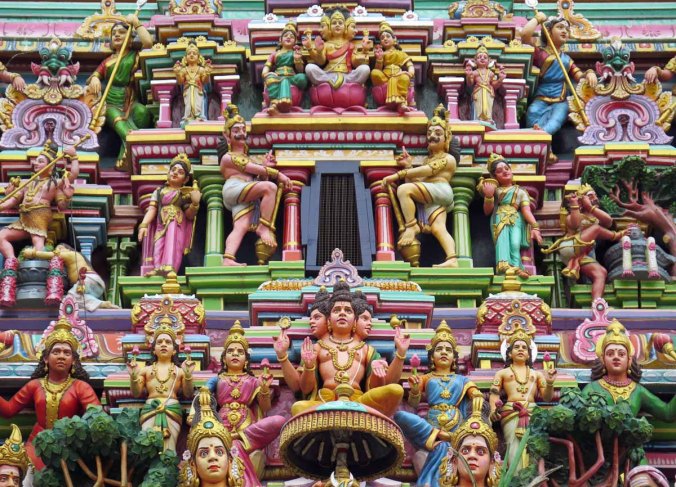
This is a massive temple with four huge towers intricately decorated and lots to see around. There are many different areas in the building with different rituals taking place, intricate sculptures with offerings, and the occasional elephant. There are also stalls selling praying beads and other items and a museum (entry for 50 rupees).

IMG_20170719_152619_693

We visited early in the day, which was good as we could explore at our own pace and it wasn’t too hot – we left at about 11 when it was already much busier.

There weren’t many other tourists, so we got a lot of attention as people kept asking to take our photo. There were a few touts around, but they weren’t too pushy.

Right next to the temple is Puthu Mandapan, an old market with stalls selling sarees, dothis, jewellery and all sorts of handicraft. This is a good place to visit not only because of the cheap prices, but also because it’s an interesting building an a unique shopping experience.

We went to Madhuram for lunch, a hotel restaurant which served nice food and, most importantly, beers (lunch and drinks for 1100 for three).

By that time it was really hot and we were exhausted, so we checked into our hotel for much needed showers and some rest.

india 036

In the evening we had dinner at Surya, a rooftop place with great views over the city. They serve yummy North Indian food and also had beers (dinner and drinks for 1130 for three), which is probably why it was popular with the tourists.

We were searching for a tuk-tuk back to the hotel when we stumbled upon Chennai Silks, a massive shop with an insane collection of sarees fromm 300 rupees, so we did some shopping before getting back for an early night in.

IMG_20170719_153010_936

DAY 2

We had a long train journey in the afternoon, so we started the day lazily at our hotel.

For lunch we visited the beautiful Gateway All Day, a resort outside Madurai where you can get a delicious lunch with amazing views over the city (lunch for three with drinks and tip for 3000 rupees).

Then it was time to get to the station and catch the train to Kayankulam, a sleeper train where you could chill with a book with the indian countryside at your window).

india 039

HOW TO DO IT:

  • Go: The train from Villuparum takes six hours. It leaves just before midnight so you get to Madurai nice and early.
  • Stay: We stayed at Hotel Astoria, which was centrally located close to the train station. The hotel was very nice and they also offered a good breakfast for 200 rupees.
  • Weather: Madurai was quite hot during the day (over 35 degrees) but the evenings and mornings were surprisingly mild and the best time for exploring.
  • Getting around: Madurai’s centre can be explored on foot, which is really helpful and not always the case in India. Because the distances are small, tuk-tuks are cheap and most rides cost around 60 rupees.
  • Going to Madurai: You only really go to Madurai to see the impressive Meenakshi temple, otherwise there isn’t that much to do. But it’s a nice little city, so spending a day around is definitely a good experience.

IMG_20170719_185100_889

COOL CAFES AND CHILLED BEACHES: Four days in hippie Pondicherry

india 035

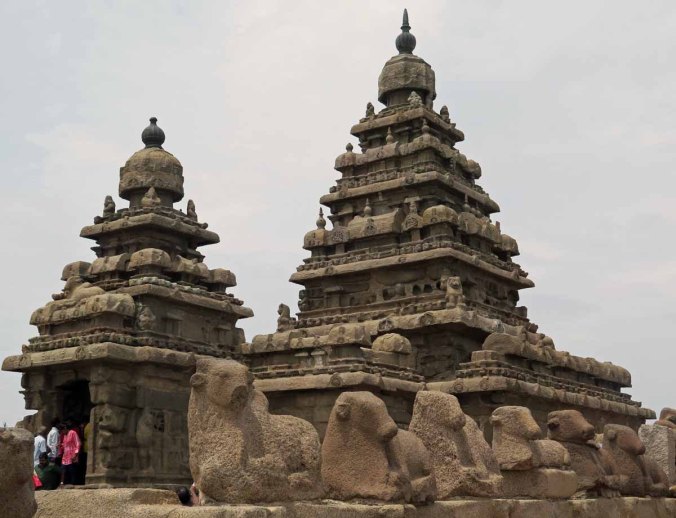
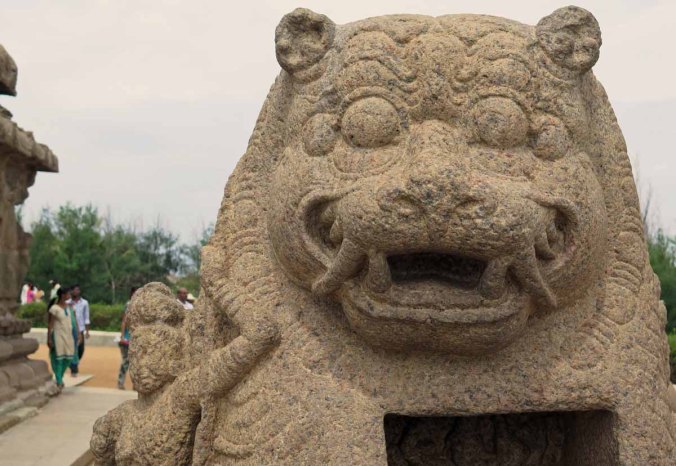
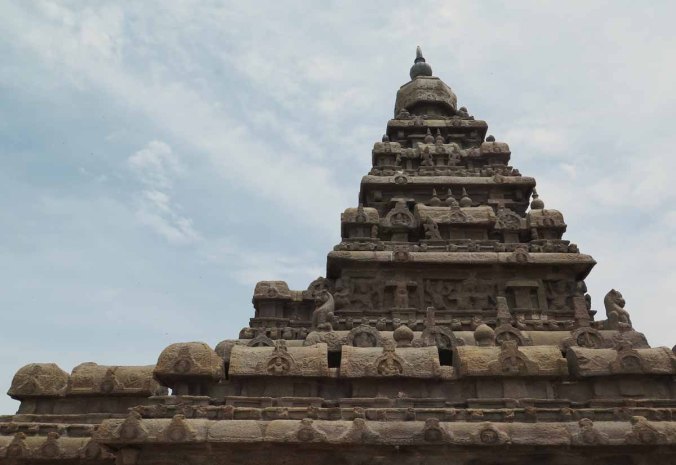
We ended up leaving Chennai one day early as it was a bit too much. We took a taxi (4000 rupees including everything) to Pondicherry stopping at Mahabalipuram (500 rupees entry) – a really nice temple by the sea. We explored in the heat for a bit before heading off to Pondy.

india 027

india 024

india 028

After checking into the hotel, we headed to the French Quarter. Our first stop was Sri Aurobindo ashram, a really nice ashram where we could see people meditating and buy books at the amazing multi-lingual bookshop.

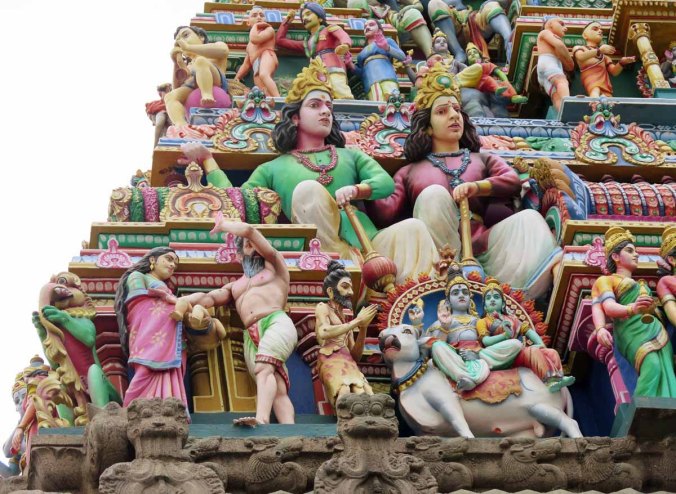
Right behind it we found Arulmigu Manakula Vinayagar, a temple that looked amazing but was also very touristy. There was an elephant at the door trained to give blessings to people in exchange for a tip (which is just terrible no matter how it looks).

india 029

Inside, the place was really impressive, with intricate detail everywhere. Even as a tourist you can get a blessing from a swami for a small donation – which was a nice thing to do even if a bit fake.

We carried on exploring the French Quarter, which was really quaint and cool but also very hot. We stopped for dinner and beers at Le Chateau, which served great food at their rooftop terrace (dinner and plenty of beers for three for 3500 rupees).

By the end of our first night in Pondy we knew we were onto something good!

DAY 2

We had a late breakfast at Cafe des Arts, a nice cafe with a beautiful courtyard serving delicious food (brunch for three for 1700 rupees).

We then headed to Mission Street for some shopping – our favourite place was Fabindia, but there are many places selling all kinds of stuff at varying prices (although even the expensive places are cheap by UK standards).

We got on a taxi to Serenity beach, where we were staying for the next three days. This is a popular beach at it’s sandy (most beaches in Pondicherry are rocky).

In the evening we went back to the city centre for drinks – we stopped at Le Space and LB2 Lounge (they’re next to each other), cool places serving yummy cocktails at around 300 rupees.

india 031

india 034

DAY 3

By our third day we were feeling like the other hippies we saw around town.

We started our day in Auroville, a local community just outside Pondicherry. The place has a golden dome (called Matrimandir) where it’s possible to meditate, but you need to book it in advance – you can check out the grounds without booking though. Although it’s supposed to be a money-free place, the Visitor Centre is well-equipped with cafes and souvenir shops.

india 033

Back at the city centre we had Ayurvedic massages at Keralaa Ayurveda – we had an hour and a half combo including a full body massage, Elakizhi and Shirodhara (the latter was really relaxing). All of it for 2150 rupees.

We stopped for a snack at Baker Street, a bakery serving yummy pastry, before heading off to a 75min rooftop yoga session at Rishi (only 300 rupees per person).

Back at Serenity Beach we ordered takeaway food from Theevu Plage (1100 rupees) to eat at our beautiful terrace. By the end of this relaxing and adventure-packed day, we were daydreaming about extending our stay in Pondicherry.

india 032

DAY 4

Our last day in Pondy started with another yoga session – this time our instructor Sumesh came to our flat to teach a class at our terrace.

We then walked to nearby Motorcycle Diaries for a yummy lunch of veggie burgers and smoothies (1100 rupees).

We had a late train to catch so we spent the afternoon lazying about in our house before heading for dinner in the city. We went to Villa Shanti, the most amazing restaurant serving great Indian food (dinner for three for 3000 rupees including drinks and tip).

india 030

HOW TO DO IT:

  • Stay: We spent our first night at Executive Inn, a nice hotel in the French Quarter. We then moved to this villa at Serenity Beach – the place was really great, with a terrace overlooking the sea, but a bit far from the city centre (although there are plenty of tuk-tuks around).
  • Weather: Pondicherry was really hot during the day (35 degrees was usual) and most places have fans rather than air-con, so we felt the heat more than in other places – although that wasn’t a big problem.
  • Go: From Chennai to Pondicherry a taxi costs 4000 rupees including all taxes. The alternative is to take an overnight train, but the taxi gives you the opportunity to stop at the Mahabalipuram temples on the way.
  • Transportation: Unlike most places we visited, Pondicherry is organised in a simple grid, so it’s easy to find your way around and you can cover a lot on foot. As ever, tuk-tuks are always available but they charge much more than in other towns.

india 026

TEMPLE SPOTTING IN A BUSY CITY: A quick stop at Chennai

india 018

We got the 6am train from Bangalore to Chennai. The journey took 5 hours (and was very punctual) and we crossed the Indian countryside heading to the southeast of the country.

Straight away we could tell that Chennai was much busier than Bangalore and more what you’d expect in India. After dropping our bags in the hotel, we headed to Annalakshmi, a really nice restaurant serving yummy curries – and it’s also a charitable organisation (lunch for three for 1700 rupees).

india 017

We then headed to Arulmigu Kapaleeswarar, an impressive temple where we could watch different ceremonies and blessings (free to enter, but we were charged a fee to leave our shoes outside – which was definitely not how it’s supposed to work).

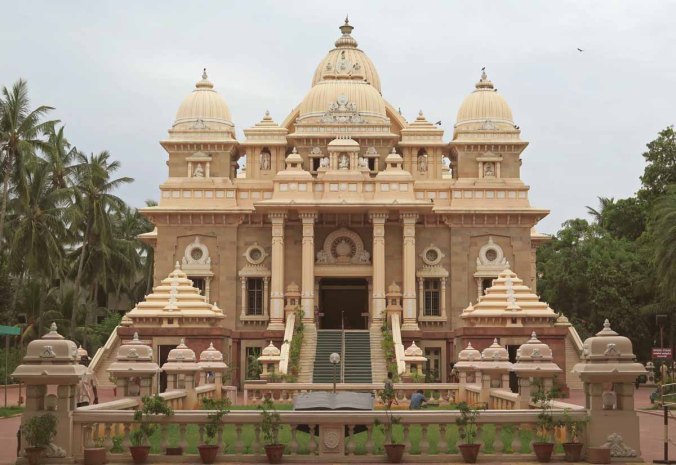
After that, we walked to Sri Ramakrishna Math, which has two other temples – these were much simpler, but we could get inside the temple to watch a ritual, which was interesting.

india 023

After a break at the hotel, we went to Tuscana Pizzeria for a nice (if not very Indian) dinner (1700 rupees) before heading back to the hotel.

HOW TO DO IT:

  • Stay: We stayed at Taz Kamar Inn, which was very nice and centrally located close to the shops.
  • Go: We ended up cutting our trip to Chennai a bit short as we didn’t really see the appeal of the city. It’s known for being a great place for shopping (particularly for sarees), but that wasn’t really for us. It was also the first place we visited where we got a bit more hassle, and taxis and tuk-tuk drivers were blatantly ripping us off.

india 019

india 022

india 021

CRAFT BEERS AND URBAN PARKS: Fun times in chilled Bangalore

india 009

Bangalore was hugely different from Mumbai – it felt much less hectic (although the traffic can be really bad) and quite easygoing.

DAY 1

We got on an early flight from Mumbai and were greeted in Bangalore by the famously terrible traffic. We stayed in Koramangala, which is a bit far from the centre but is a nice residential neighbourhood with cool bars and restaurants.

We were immediately struck by how different Bangalore was from Mumbai, with its ample tree-lined boulevards and much milder weather.

Bangalore has a famous craft beer scene, so we headed to Barleyz (a beer for 200 rupees) and to Prost (a beer for 300 rupees, with a 3 for 2 deal) to try the local brew – and we weren’t disappointed.

In the evening we went for dinner at Bombay Brasserie with my local friend Nimisha. The place served delicious Indian food with a modern twist (dinner for four for 4500 rupees).

india 014

DAY 2

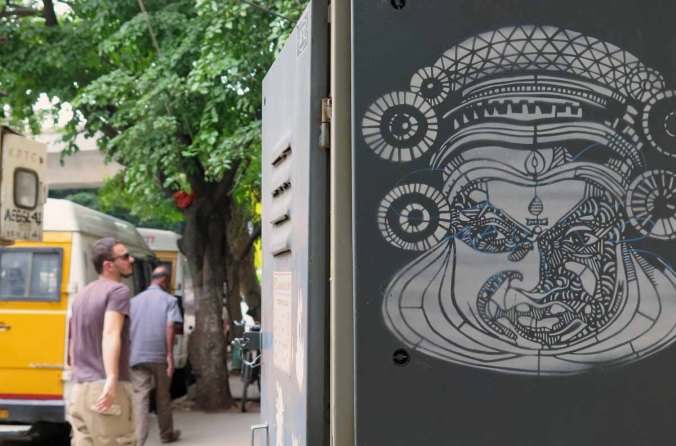
We started our second day in Bangalore by checking out the area around the National Gallery of Modern Art. We visited the cool Karnataka Shitralaka Parishath School of Arts, where we saw lots of great artwork by the students.

There was also a big handicraft market, which was our first encounter with the impressive range of crafts at ridiculously cheap prices. We had lunch at the school cafeteria (around £1 per person!).

india 010

We then hopped on the metro and headed towards the busy MG Road, a big commercial area. There is currently a ban of alcohol in some regions of the city, so we walked a bit further to find Arbor, a local brewery serving yummy beers (300 rupees for a pint) busy with the local crowd. After a great night out, we headed back to our flat.

india 007

DAY 3:

We had a late start and headed to Cubbon Park, a huge central park where you can spot squirrels, parakeet and lots of other birds. The place was nice and chilled, and there were lots of locals just hanging out.

We had a late lunch/early dinner at Church Street Social, where we tried some of their massive all day breakfast options (meal for three for 1500 rupees). Then it was time to head back to our flat as we had an early train to catch in the morning.

india 012

HOW TO DO IT:

  • Stay: Because of the traffic, it’s important to carefully choose the area where you want to stay. Our flat (which I don’t recommend) was in Koramangala, which is a nice neighbourhood but a bit far from the centre. Indiranagar is probably the best bet as it’s a great area full of cool bars and restaurants and with easy access to the city centre by metro.
  • Transportation: Bad traffic is a real problem in Bangalore. The metro is really efficient but it only covers a small part of the city, so you end up getting Uber (all taxis in Bangalore are app-based) or tuk-tuks (which don’t use meters so you need to agree on a price before you get in).
  • Weather: Despite it being monsoon season, Bangalore has a mild climate, so it was actually quite nice to walk around during the day – a massive contrast with the other places we visited.

india 016