10,000 RED GATES AND MAGICAL TEMPLES: 4 days in Kyoto

kyoto 091

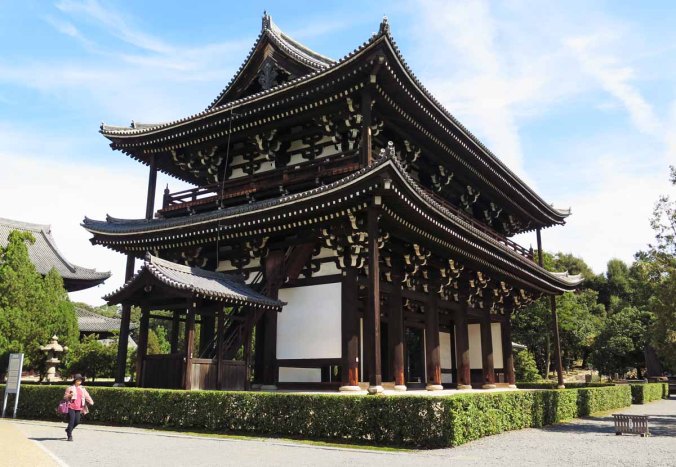
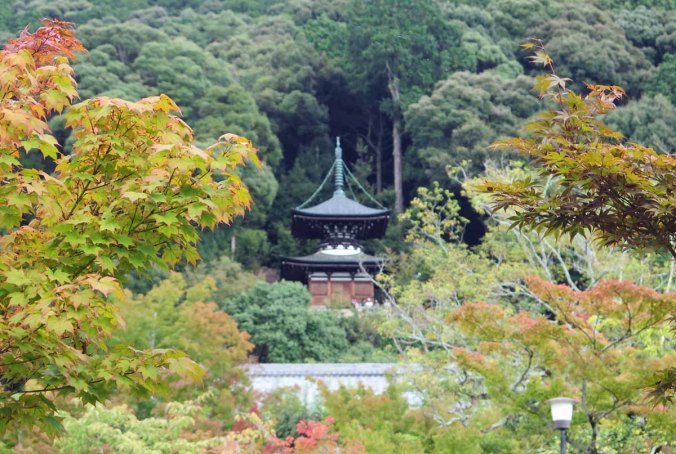
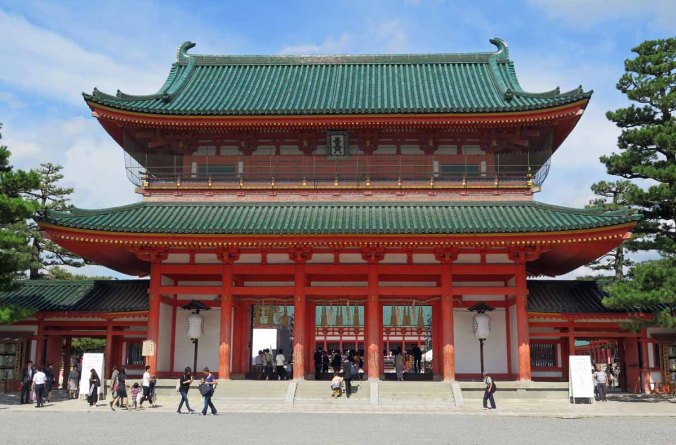
Kyoto is famous for its temples, but nothing prepares you to the scale of it. There are temples all over the city, and it’s hard to decide which to visit.

I bookmarked the main sites in Google Maps and started exploring from the southeast.

kyoto 011

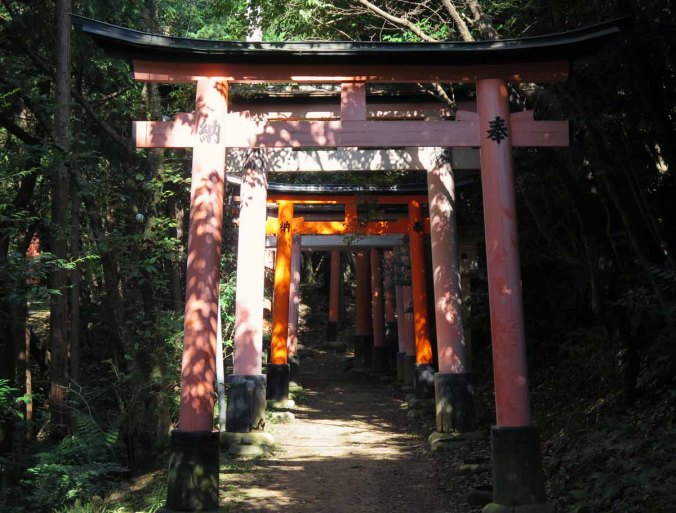
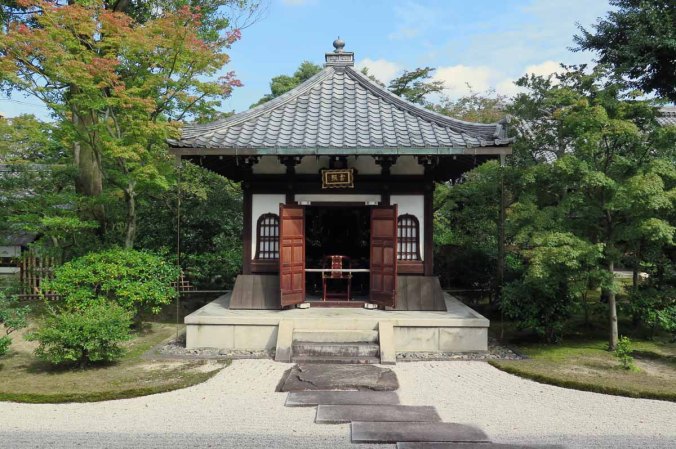
Every temple is different: Sanjusangendo has 1,000 golden Buddhas, Kiyomizu-dera has great views, Fushimi Inari Taisha has 10,000 tori gates going all the way up the mountain.

kyoto 003

But they’re all great, so whichever you choose to visit would be fine. The temples are such a big part of Kyoto that you really can’t walk more than 5 minutes without spotting a shrine somewhere.

The most popular temples can get quite crowded, especially on weekends, so it’s good to visit on weekdays or early in the morning. Some temples are free to visit while others charge an entrance free (usually Y400-600), but it’s always worth the price. The only thing is that it does add up when you’re visiting many temples in one day.

kyoto 113

kyoto 096

kyoto 002

It’s tricky to decide where to go, but these were some of my favourites:

Sanjusangendo with its golden Buddhas.

kyoto 083

Zenrinji which is the most magical place, with free green tea and lovely gardens.

From there you can follow the Philosopher’s Path, a quiet walkway by a canal where cats hang out, artists sell their watercolours and carps swim nearby.

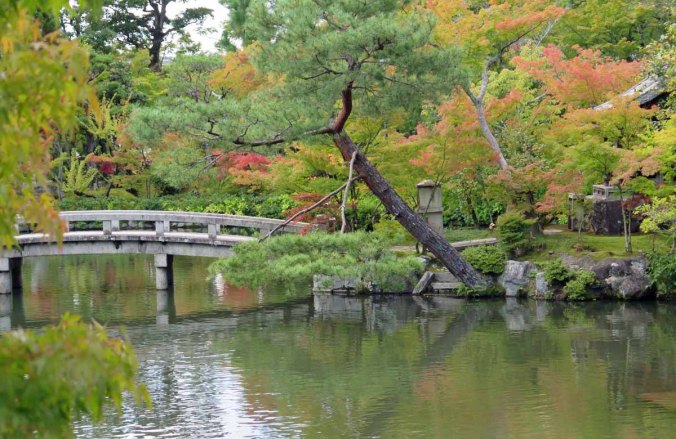
The path takes you to Ginkakuji, a temple with beautiful gardens.
kyoto 034

kyoto 035

kyoto 036

kyoto 037

kyoto 038

kyoto 039

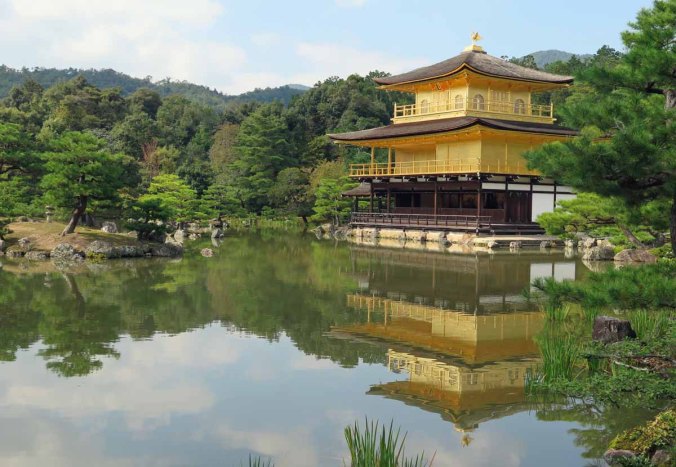
Kinkakuji with its golden pagoda.
kyoto 049

kyoto 048

Fushimi Inari Taisha with its endless tori gates. It get really crowded, but if you take the time to climb all the way up Mount Inari over a couple of hours it’s pretty quiet at the top.

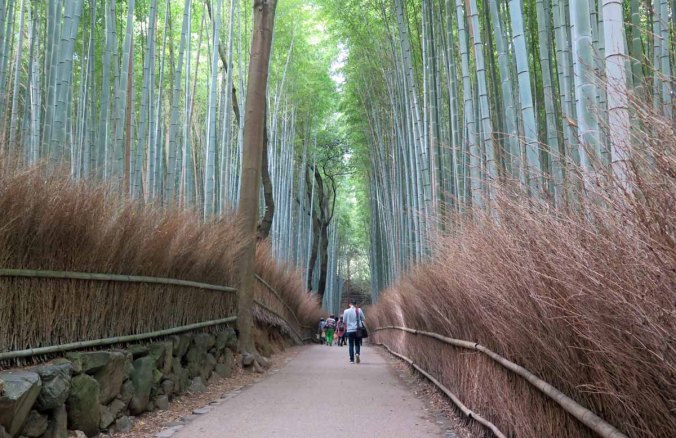
Off the main path you can also find an amazing bamboo forest – which was completely empty when we visited.

kyoto 097

kyoto 098

kyoto 099

kyoto 100

kyoto 101

kyoto 102

kyoto 103

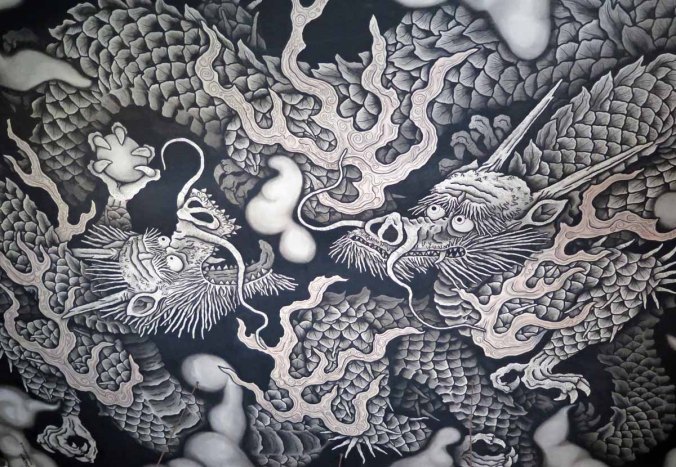
Kenninji with its twin dragons and quiet zen garden.
kyoto 028

KYOTO BACKSTREETS

Kyoto also has lots of little backstreets with traditional-looking buildings.

kyoto 085

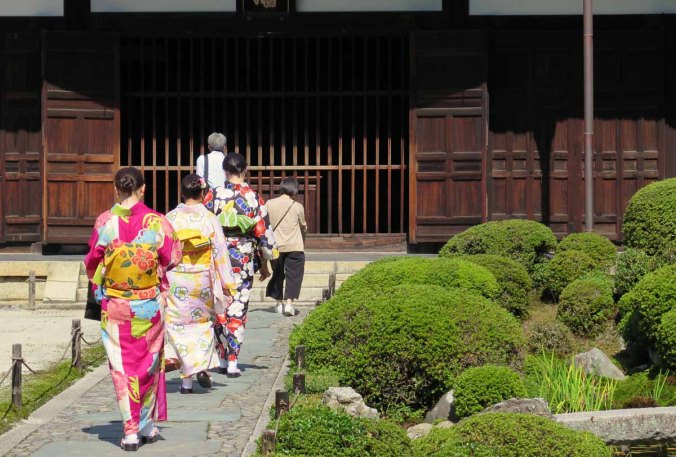
In Eastern Kyoto you can find Ninenzaka, a pedestrianised area full of little shops selling handicraft (for which Kyoto is famous) and local delicacies. This is also where you can rent a kimono and pretend to be a geisha for the day. It’s a busy area but a cool place to visit.
kyoto 009

kyoto 090

kyoto 086

One of the cute cafes around there is the Hello Kitty Cafe, where you can sit down with Hello Kitty herself and enjoy a ridiculous ice cream sundae (Y1030).

kyoto 021

Elsewhere, Gion corner and Pontocho are also full of cafes and bars that look authentic and cool.

kyoto 026

kyoto 020

NISHIKI MARKET

Right in the centre of Kyoto is Nishiki Market, a traditional market selling all sorts of Japanese food. Although not particularly veggie-friendly, it is a great place to visit to take in the atmosphere and spot local delicacy.

kyoto 052

Around the market there are also lots of other shopping streets selling souvenirs and Japanese handicraft.

Alternatively, Sanjo-Kai Shotengai is another nice market, located close to Nijo Castle (and mush less crowded).
kyoto 027

ARASHIYAMA BAMBOO GROVE

I headed to Arashiyama early to try and avoid the crowds. The area is famous for its bamboo forest, but it’s also a nice place to wander around as there are lots of cute shops and the Tenriji Temple.

kyoto 057

kyoto 056

The bamboo groves are really impressive and unlike any forest I’d seen before. You can spend some time taking photos and just taking in the atmosphere – it’s definitely quieter than most other places in Kyoto!

kyoto 055

FOREVER MUSEUM OF CONTEMPORARY ART

I’m a big fan of Yayoi Kusama, so I was happy to discover there was an exhibition of her artwork in Kyoto. The Forever Museum of Contemporary Art (tickets Y1200) is located in East Kyoto close to some of the main temples in the area. The museum has five large exhibition rooms and they had lots of Yayoi Kusama’s work on display, which was a great opportunity to see some of her work in Japan.

kyoto 029

HOW TO DO IT:

STAY: I stayed at this Airbnb which was really good. Kyoto is not as expensive as Tokyo and there are plenty of options.

kyoto 106

GO: Most people go to Kyoto via bullet train, and that’s what I did. The service from Tokyo is regular and takes a bit under 3h. Plus it’s definitely something to experience in Japan!
kyoto 025

TRANSPORTATION: Kyoto has great transportation links and it’s fairly easy to navigate the system with Google Maps. You can use an IC card (their equivalent to an oyster card) on most transportation. Urban trains are often JR-operated so are free with a JR pass. Especially in Eastern Kyoto, many of the temples are within walking distance.

kyoto 013

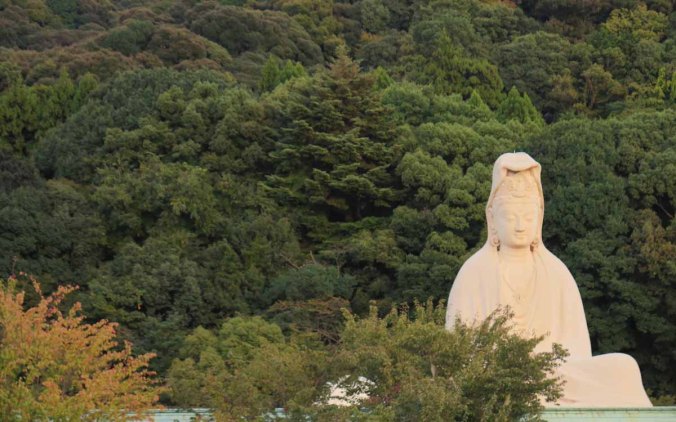
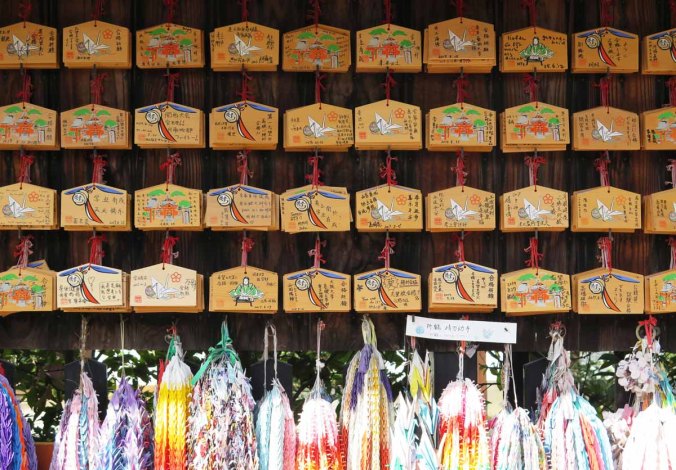
VISITING TEMPLES: The main draw to Kyoto are the temples, but there are so many it’s hard to choose which to visit. I went to lots of them, and from my experience all the larger temples are worth a visit, so in a way it doesn’t really matter which you choose – they’re all different and each has something special to offer.
kyoto 004

WHEN TO GO: I visited in October for four days, but you can easily spend a week there. At times it was still really hot at 30 degrees, which made all the walking a bit difficult. Some of the main temples (such as Fushimi Inari Taisha) get really (really) crowded at weekends, so visit early on a weekday – but the main sights are always busy, so you never get the place to yourself.

Checking out some temples off the beaten path is a good way of enjoying them with a bit more time and space.

kyoto 093

SHOPPING: Kyoto is famous for handicraft, and there are tons of shopping areas in the city centre selling yukatas, furoshiki, Japanese dolls and lots more. Prices tend to be good, but often vary from place to place.

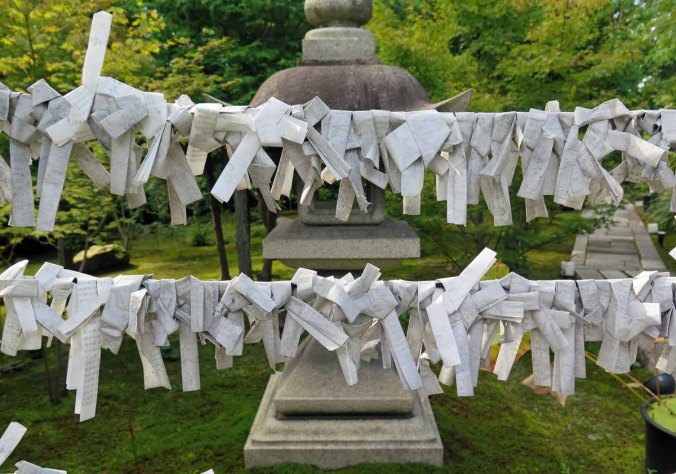
Most temples also have little shops selling souvenirs and amulets. There are usually labels in English to indicate if something should be used as an offering only or if you can take it home with you.

kyoto 018

FOOD: Kyoto has a good amount of veggie places. The area around Nishiki market is full of options – we visited Cafe Matsuontoko which served delicious vegan burgers (meal for two including drinks for Y3000).
kyoto 012

kyoto 010

kyoto 008

kyoto 006

kyoto 084

kyoto 051

kyoto 054


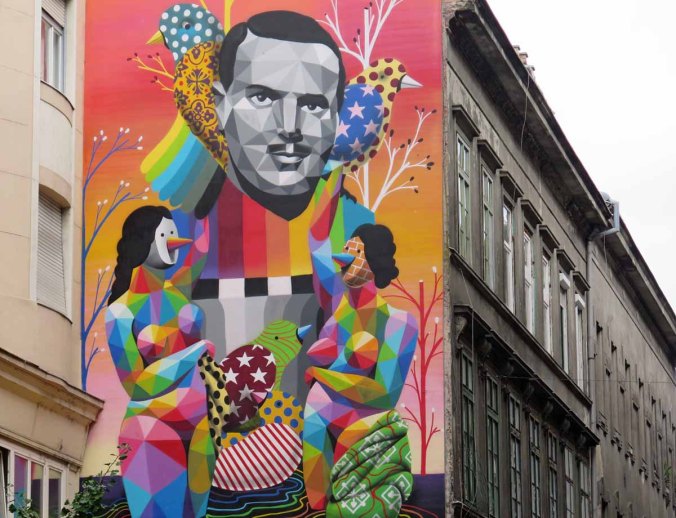
COOL BARS AND STREET ART: Yet another break in Budapest

hungary 07

This was my fourth time in Budapest and the city never disappoints!

After dropping our bags in our flat, we headed out for a late lunch. The area around Lizst Ferenc Ter has lots of cools places, but we stopped at Menza, an old favourite (lunch for three including drinks and tip for 12000 HUF).
hungary 01

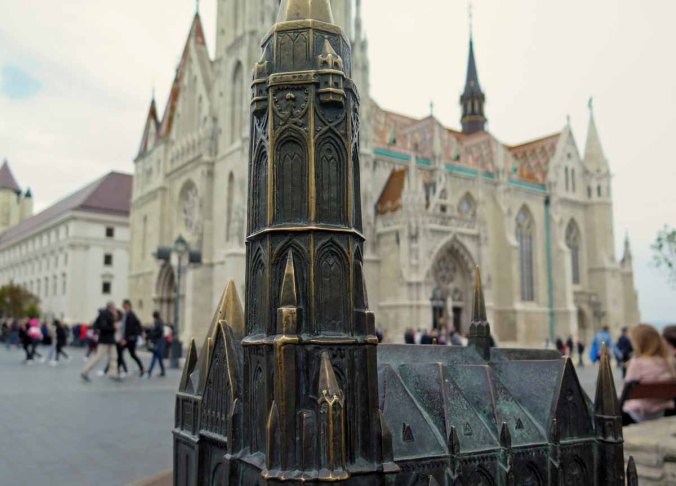
We then explored the area around Andrassy Utca and Kiraly Utca, stopping at the Opera House and checking out the many cool bars around before heading back to our flat for the evening.
In the morning we visited the Central Market Hall. There you can buy local produce, souvenirs and paprika in all its forms. It’s a great place to visit and to stock up if you’re self-catering.

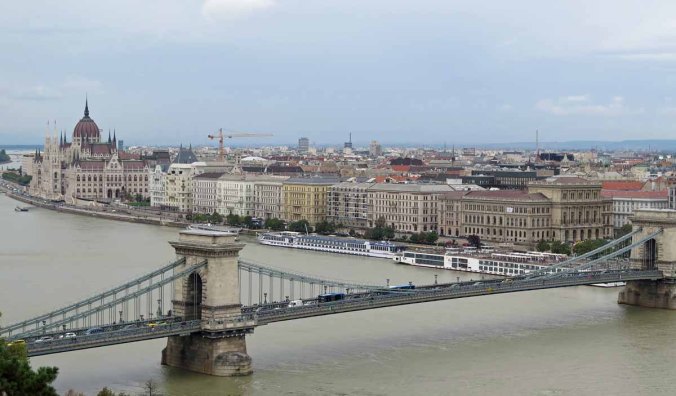
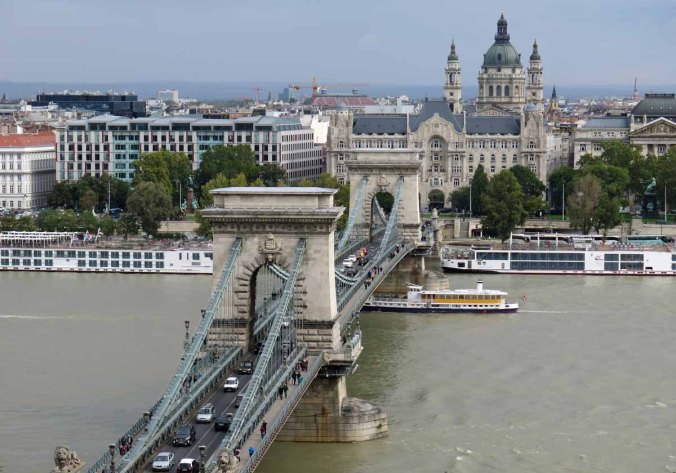
We then took the bus to the other side of the river to explore the area around Buda Castle and the citadel for a bit, although it was cold and a bit rainy.

hungary 04

hungary 03

hungary 02

We had lunch at the beautiful Mazel Tov (lunch for four including drinks and tip for 12000 HUF). They serve lots of yummy Middle Eastern food with plenty of veggie options.
In the evening we stopped at Szimpla, the most famous of Budapest’s ruin bars for a drink (drinks for four for 3500 HUF) before going home to cook the food we’d bought at the market earlier in the day.

hungary 09

Thermal baths are very popular in Budapest, and as usual we headed to Szechenyi. This is a massive complex of indoor and outdoor thermal pools, and a nice way of spending a few relaxing hours (weekend day ticket for 5000 HUF).

For lunch we visited Porto di Pest, a nice but a bit expensive place in Liszt Ferenc Ter (lunch for four including drinks and tip for 20000 HUF).

After stopping at our flat for a bit, we met my local friend for drinks and ended the night at Kuplung, which served nice but dodgy cocktails (two drinks for 1200 HUF).

hungary 08

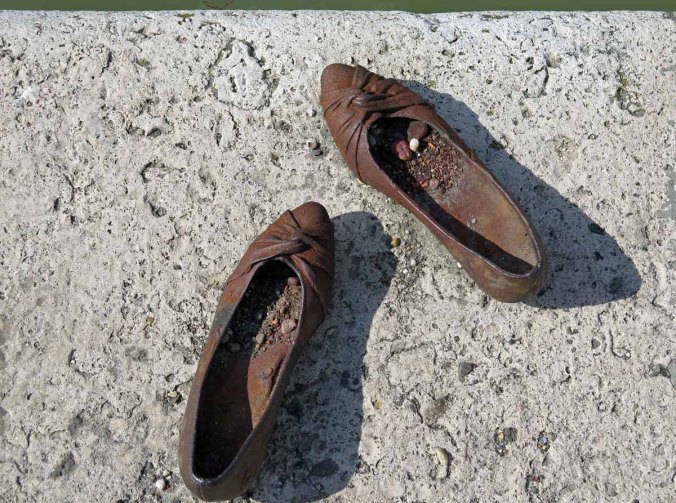
Our last full day in Budapest was nice and sunny, so we walked to the Shoes on the Danube Bank, a memorial to victims of World War II. We then walked all the way back to Jonas, a craft brewery with nice views over the river (four beers for 3000 HUF).

To finish the trip in style, we had an early dinner at Pomo D’Oro, an upscale Italian restaurant serving delicious pasta and yummy desserts (meal for three including drinks and tip for 24000 HUF).

hungary 05

HOW TO DO IT:

  • Go: We took the train from Vienna (takes about 2h30), but there are plenty of flights from London. Budapest is also a great option for the end of an Eastern Europe trip as it has good connections with the whole region.
  • Stay: We stayed at this fancy place in Kiraly Utca, which was both a great place and the perfect location. Budapest has lots of good accommodation options, so it’s easy to find a good alternative.
  • Money: Budapest is very cheap and even upscale places are affordable in comparison to London prices. Exchange places are easily available and generally the rates are very good as there’s lots of competition.

hungary 06

BEAUTIFUL ARCHITECTURE AND FANCY RESTAURANTS: 2 days in Vienna

austria 02

This was my second time in Vienna and the city was just as impressive as I remembered.

We arrived early afternoon, so we dropped our bags at our flat and headed to the centre for lunch. We ate at Wrenkh, a restaurant serving delicious food with lots of veggie options hidden away just behind Stephansplatz (lunch for three including drinks and tip for 50€).

austria 01

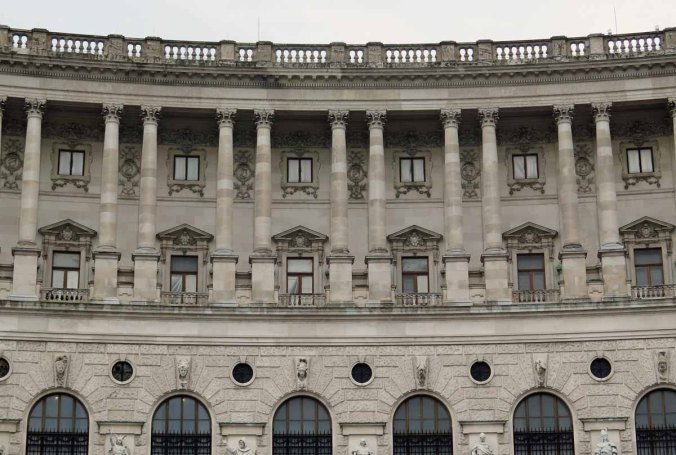
Despite the rain, we set off exploring the city centre, stopping at St Stephan’s Cathedral, Hofburg Palace, the Spanish Riding School and the Manner shop to stock up on loads on chocolate. Then we headed back to the flat for an early night in.

It was sunny when we woke up so we took the metro to Schonbrunn Palace, the famous residence of Empress Sissi. We walked the gardens for a bit then had coffee in their cafe (coffee and croissant for about 8€).

austria 05

austria 04

Next we went back to the city centre to visit the Albertina Museum (tickets for 13€). This is a great museum for seeing Austrian and European art. When we visited they had an impressive Brueghel retrospective on.

We had a late lunch at Cafe Hawelka, a popular place in the centre which still captures the post-war atmosphere (lunch for three including drinks and tip for 45€). This is a great place to escape the frilly splendour of most Viennese cafes.

After exploring a bit more of the centre we headed back to pack for the next leg of our trip.

austria 03

HOW TO DO IT:

  • Go: Vienna can be easily reached by train (we came from Brno) and flying, and it’s a good destination for a short break.
  • Stay: Accommodation isn’t particularly cheap, but there are lots of options. We stayed at this Airbnb which was a great choice and about 20min from all the main sights.
  • Transportation: It’s easy to get around by train and U-bahn. We bought a 48h ticket for 13.30€ and those were a great option as they cover all transportation. In the city centre everything is within walking distance.

austria 06

COOL RESTAURANTS AND STREET ART: A quick stop in Brno

czech republic 12

We took the train from Prague to Brno. It is the second city in the Czech Republic and has become quite popular recently. As we only had the afternoon to explore, we dropped our bags at the hotel and headed off.

Our first stop was Soul Bistro, a cool cafe and restaurant serving delicious food with plenty of veggie options (lunch for three including drinks and tip for 600 CZK).

We then headed to the Old Town centre and checked out the sights. We climbed the tower at the Old Town Hall (tickets for 70 CZK per person) to get great views over the city centre.

czech republic 11

From there we checked out the Cabbage Market (the main town square) and Peter and Paul Cathedral. After wandering around in the rain a bit more, we stopped for a quick drink at the cute Jedna Basen (drinks for three for 127 CZK including tip). Then it was time to head back to the hotel and pack up again.

Brno is not as beautiful as Prague, but it is an interesting city. There’s a good amount of street art and lots of cool bars and restaurants. It is also definitely cheaper than Prague and much less touristy, so the appeal are the local places which feel more authentic and just nice places to go rather than traditional Czech places.

czech republic 15

HOW TO DO IT:

  • Go: Brno is best visited as part of a trip around the region (I wouldn’t stay more than one day). From both Prague and Vienna you can take regular trains which take less than three hours and cost less than 15€.
  • Stay: We stayed at Efi Hotel (we paid 76€ for three people), which was located just off the city centre but was nice, spacious and cheap. They offered a free glass of wine on arrival and free taxi rides to the centre and back. Breakfast was also included.

czech republic 13

AMAZING VIEWS AND GOOD RESTAURANTS: 3 days in Prague

czech republic 02

This was my second time in Prague and the city was just as impressive!

We took the train from Munich to Prague, and even with roadworks we still got there at around 4pm.

Our brand new flat was centrally located close to the Old Town. We bought some supplies at the supermarket to have an early dinner at our flat.

czech republic 01

Then we headed off exploring the Old Town centre, stopping at cute stalls selling chips, drinks and handicraft. We took in the atmosphere of the Old Town square and Wenceslas square, before heading back to the flat for the evening.

We decided to take a free walking tour around Prague the next day. The tour started at the Old Town square and covered many of Prague’s highlights – the Old Town, New Town, Jewish Quarter and several stops along the way (we tipped 100CZK per person).

After the tour we explored the centre a bit more, stopping at shops along the way.

czech republic 03

In the evening we had dinner at Alriso, a gluten-free restaurant specialising in yummy risotto (the panna cotta we had for dessert was also great). Dinner for three including drinks and tip for 1650 CZK).

On our third day in Prague we crossed the beautiful and famous Charles Bridge to reach the Castle District. After some time exploring, we got into the Castle (tickets 10€), where you can visit the impressive St Vitus Cathedral and get great views over the town.

czech republic 09

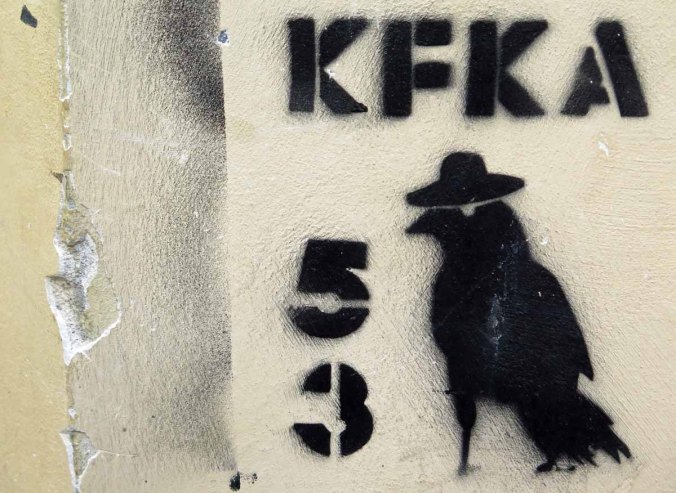
Nearby is the Kafka Museum (tickets for 200 CZK), which gives an overview of Kafka’s life and work in Prague and has a dark and uneasy setup that reflects his work.

After a quick bite to eat and a beer close to the museum, we headed back to the Old Town for an early night in.

czech republic 04

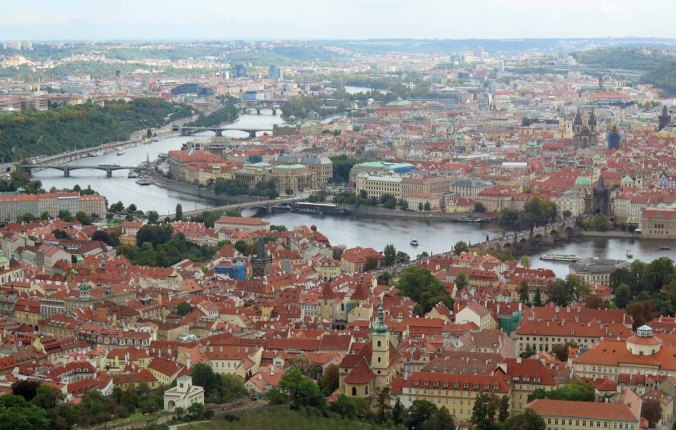
On our last day in Prague we took the tram to Petrin Park. You can take a funicular up the hill where you can climb up an Eiffel Tower-like structure (tickets 200 CZK) and get amazing views of Prague Castle, Charles Bridge and the Old Town.

czech republic 07

czech republic 08

We then decided to get a boat tour on the Vltava (tickets 250 CZK), to see the city differently. There’s lots of options around so we just found one that was convenient and cheap – it’s definitely a good thing to do on a nice day and better value than in most other cities.

czech republic 10

We then went back to the city centre where we had lunch at Vabene (lunch for 3 including drinks and tip for 11 CZK), a touristy but nice Italian place in a cute courtyard in the city centre.

In the evening we watched a concert at St Martin’s church (tickets for 500 CZK per person). Prague has tons of concerts on offer so you can choose one any day of the week.

Then it was time to head back to the hotel and pack for our next trip.

czech republic 05

HOW TO DO IT:

  • Go: We took the train from Munich, which usually takes 6h but we were delayed because of roadworks. It’s easy to book online and tickets cost only 15€ in advance, but it’s best to book through the Czech website as it’s weirdly much cheaper than the German one for the same trip.
  • Stay: We stayed at this Airbnb which was just perfect – brand new and centrally located. Prague has lots of cheap accommodation to offer and it’s easy to find a good place.
  • Transportation: You can cover a lot on foot, and it’s a great way to see the sights as well as taking in the impressive architecture. Trams are also easily available and are good for going to further places such as Petrin Park and the Castle District. Tickets must be bought in advance and need to be validated on board.
  • Money: Prague is cheap by European standards – in most bars 0,5l of beer costs only £2. But being very touristy, prices can be steep in the city centre. You also need to pay attention when exchanging currency – ask around for reputable places and check the rate before buying (we didn’t and were short-changed when we first arrived). The best place we found was Exchange at Kaprova 14/13, right behind the Old Town Square.

GREAT BEERS AND PLENTIFUL FOOD: Three days in Munich

germany 13

We arrived in Munich late it the afternoon so we only had time for dinner at a random place on our first day.

In the morning we joined a free walking tour with Sandemans. These typically last for 2-3 hours and you pay for a tip at the end.

Despite the bad weather, we got to see many of Munich’s highlights – we started at the impressive Marienplatz and its beautiful town hall, visited Frauenkirche, St Peter’s Church and covered a lot of ground in the town centre.

germany 14

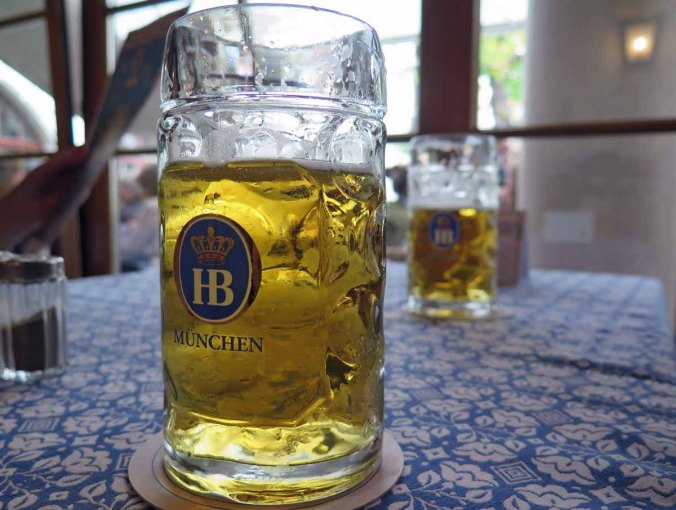
For lunch we headed to the iconic Hofbrauhaus, a famous beer hall where you get delicious beer, fresh pretzels and live music in the most traditional setting possible. The place is huge but it’s always very busy (visiting during the day is a safer bet as we struggled to get a table in the evening) – but it’s good fun and definitely worth a visit (lunch for 5 including drinks and tip for 60€).

germany 15

We then headed to Victuals Market, full of fun stalls selling fresh vegetables, local delicacies and handicraft. It’s a good place to shop for snacks and souvenirs.

After a stop at our flat, we headed to Augustiner for dinner. This is considered one of the best beers in Munich, and it really was delicious (dinner and drinks for 5 including tip for 55€).

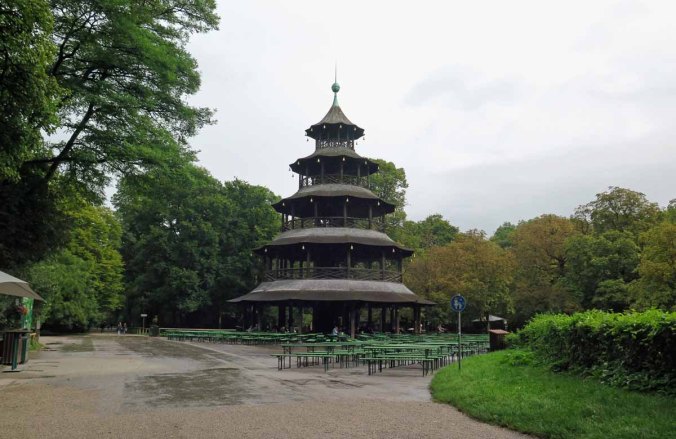
On our last day in Munich we took the U-bahn to the famous English Gardens, which is one of the largest urban parks in Europe. We had coffee under the Chinese Tower, usually a busy beer garden but empty when we visited as it was cold and rainy.

germany 17

Heading back to Marienplatz, we stopped for another typically German lunch at Paulaner (lunch for 5 including drinks and tip for 65€).

After struggling to find our way in the rain, we visited the Residenz Palace (tickets for 7€), a huge palace full of baroque glory.

germany 19

Our last stop of the day was Maelu, a pastry shop with the most incredible desserts (dessert and drinks for 5 for 45€). Then it was time to head back to the flat as we had an early train to catch in the morning.

germany 21

HOW TO DO IT:

  • Stay: We struggled to find accommodation as we got to Munich just before Oktoberfest (a bad idea) and our Airbnb got cancelled last minute. Usually there are lots of options.
  • Transportation: Munich has a good network of U-bahn and S-bahn, and it’s easy to get around. A daily ticket for 2-5 people costs 12.60€ and was a good option for us.
  • Go: Munich can be easily reached by plane, train or car, and it’s a good base to start or end a trip through Bavaria.
  • Food: German food is meat-heavy, but it’s possible to find veggie and vegan food anywhere. Restaurants always have veggie options and can accommodate for vegans on request.

germany 18

FAIRYTALE CASTLES AND BEAUTIFUL MOUNTAINS: 2 days in Fussen and Zugspitze

germany 06

My friend was getting married in Germany, so this was the starting point of my Central and Eastern Europe trip.

After enjoying the wedding, we headed to Fussen, which is mostly famous for the Neuschwanstein castle (one of the castles supposed to have inspired Disney).

germany 01

We took it easy on our first day, walking around the cute city centre. In the evening we had a lovely dinner at Beim Olivenbauer (dinner for two including drinks and tip for 32€), a place filled with weird Roman-style knick-knacks serving their own beer and yummy food – and plenty of veggie and vegan options.

germany 03

The next morning we had breakfast at our hotel before heading out to get the shuttle to the castle.

Set in an amazing location up in the hills, it’s an impressive sight. We joined the tour of the lavishly decorated rooms, covered floor to ceiling with impressive detail.

Outside you can walk to a nearby bridge where you can get breathtaking views of the castle and mountains nearby.

germany 06

germany 08

germany 05

After a while exploring, it was time to head back to Fussen for lunch. We stopped at Zum Hechten which had good food but terrible service (lunch for two including drinks and tip for 26€).

For delicious and rich desserts we headed to Kurcafe (cakes and drinks for four for 25€).

germany 02

The next morning we left Fussen in the morning towards Zugspitze, the highest mountain in Germany. The scenery on the road was amazing, and the views from the top should be great.

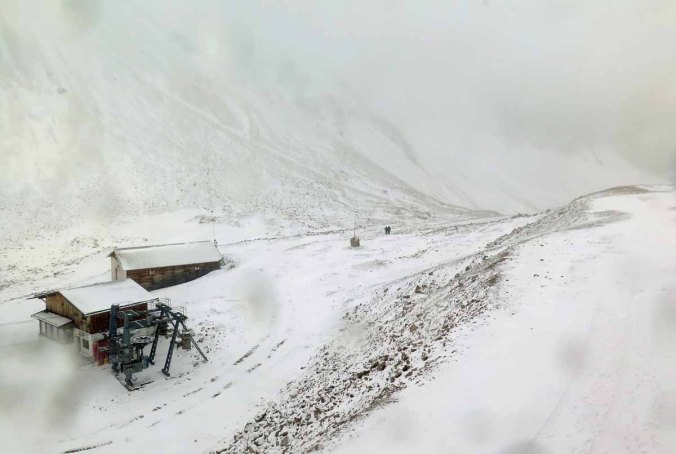
You get a train up the hill (from this December a cable car will also be available). When we got to the top we were surprised by snowfall and freezing temperatures, so the views were nowhere to be seen. We still got to ride toboggans and enjoy the early winter.

germany 09

germany 11

germany 12

HOW TO DO IT:

  • Stay: We stayed at Fantasia, which was great, centrally located and had great service (we paid 178€ for two nights plus 8€ for breakfast).
  • Visiting Neuschwanstein: To get to the castle and also Hohenschwangau (the other castle nearby) you need to take an hourly shuttle from Fussen’s station. Tickets cost 1.60€. That will take you to the ticket office – entry to Neuschwanstein costs 13€ per person and is part of a guided tour (it’s a good idea to book online in advance and skip the queues). From the ticket office to the castle it’s a 30min walk through a beautiful forest or you can take a bus.
  • Go: Fussen is in Bavaria and not too far from other cities in the region. We travelled by car which is an easy way to explore the countryside.
  • Visiting Zugspitze: The tickets to visit are expensive at 53€ from Eibsee – this includes the train up and back the hill. The trip takes about 40min each way and the service is regular. There are restaurants and cafes at the top, so you can have a meal with a view or warm up with a shot of schnapps.

germany 10

germany 04

ART IS NOT AN END BUT A BEGINNING: The Venice Biennale in pictures

venice 06

This was our third time at the arts Biennale in Venice (we went in 2013 and 2015 as well).

venice 28

As ever, there was absolutely loads to see.

venice 26

And the two days we had to explore just flew by.

venice 20

Long days of art-spotting…

venice 18

…followed by nights of sipping Aperol spritz by the canals.

venice 24

I could do this for a living!

venice 14

But as I can’t, at least I know I can come back for more in two years.

venice 17

As Ai Weiwei, said…

venice 27

“Art is not an end but a beginning”.

venice 13

venice 29

venice 25

venice 23

venice 22

venice 21

venice 19

venice 10

venice 11

venice 15

venice 16

venice 12

venice 01

venice 05

venice 07

venice 08

venice 09

venice 30

venice 31

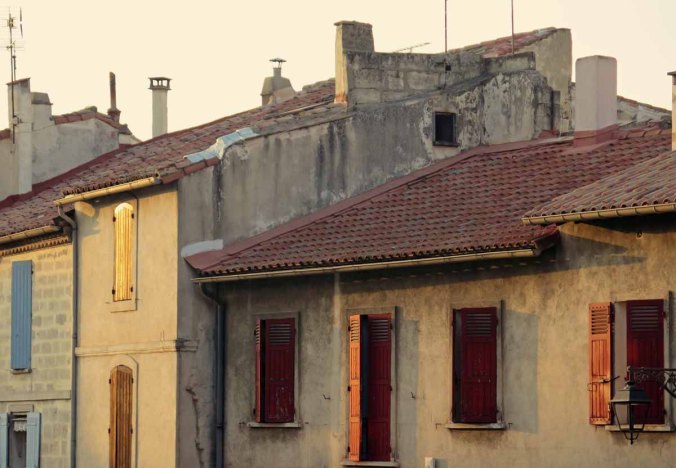
HILLTOP VILLAGES AND FIG TREES: Exploring Provence by public transportation

les baux 15

When I decided to go to Provence, one of the key things I had to think about was transport. Most people drive around Provence, but I had to make do with public transportation.

nimes 08

Where to stay:

I decided to base myself in two places: I spent the first half of my trip in Aix-en-Provence and from there I moved to Arles.

Aix was one of the places I definitely wanted to see. It is close to the coast, so you can visit Cassis and other beaches. Arles, on the other hand, is an ideal place if you want to travel around, as it is well-connected to other towns by train and bus.

isle 06

Itinerary planning:

There are loads and loads of places to visit around Provence, so it’s difficult to choose. After some research, I found this itinerary the most useful (although it covers more than what I saw).

Aside from Aix and Arles, my favourite places were Les Baux de Provence and Nimes (all my Provence posts are saved here), but I’m sure there were many great places which I didn’t get to.

les baux 05

Travelling by train:

Travelling by train in France is weirdly not as easy as in other countries. As ever, Seat 61 was very helpful. The main thing to do is to use this website to search for and book tickets, as it’s definitely better than the local alternatives.

There is an useful rail map of Provence here, and this is a good website to find more information and discounts (in the summer there are discounted day passes on offer).

The trains themselves were all good, and mostly on time.

arles 006

Travelling by bus:

In hindsight I would have probably taken the bus more often than I did, as you can often get a direct bus and I got lots of connections on trains.

You can find information on routes and timetables here and tourist information places can also help. There are usually buses going to most (if not all) tourist sites, particularly in the summer.

les baux 14

All in all, it is definitely possible to explore Provence by public transportation – I did all I wanted to do and really didn’t feel like it was particularly difficult. I’m sure it would be easier by car, but with a little bit of planning I had no problems and saw a lot!

arles 025

nimes 12

STREET ART AND ARENAS AT SUNSET: A week in Roman Arles

arles 007

Soon after I arrived in Arles I realised I knew very little about it! I chose to go there because it has good connections with other towns in the region and because of the Roman sites. But it was even better than I expected!

arles 011

Visiting the monuments:

The best way of seeing most of the monuments of Arles is by buying a pass at the Tourist Office (16€ for the Pass Avantage which gives you entrance to all the monuments and museums owned by the city – it’s valid for six months). Then you just need to follow the map and check everything out.

arles 040

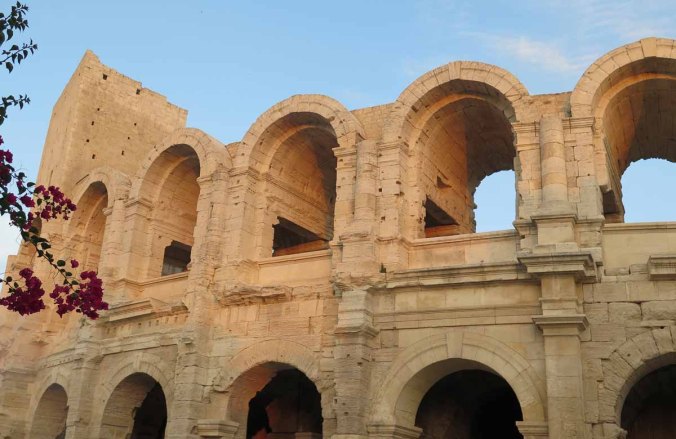
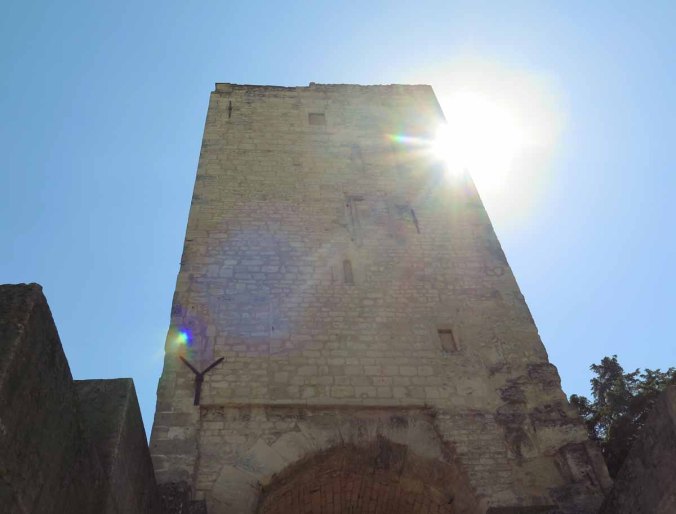
Amphitheatre: Arles’ most famous monument was just a few steps from where I was staying, so I took advantage of this and visited early in the morning. The theatre is beautiful and really well-preserved, and aside from seeing the building itself, you can climb one of the towers and get great views over Arles and nearby countryside.

The theatre is still is use today – they stage fake gladiator battles and it’s also a popular site for bull runs (different from bullfighting in that the bull doesn’t die, but not cool if you ask me).

arles 024

arles 026

arles 027

arles 029

arles 033

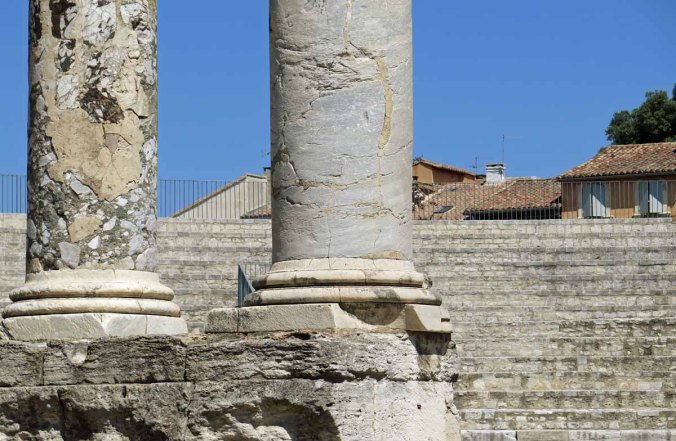
Theatre Antique: This is a Roman theatre which is still impressive but has suffered a bit over the centuries. The great thing about it is that it’s still in use today, so you can visit during the day to see the grounds but also when there’s something on.

I was lucky that when I visited Arles the Peplum festival was on. This is an annual event in the ancient theatre in which you can see sword-and-sandal films (tickets for 7€). I watched Asterix with the local crowd, and it was a great way of experiencing the theatre in use.

arles 021

arles 022

arles 023

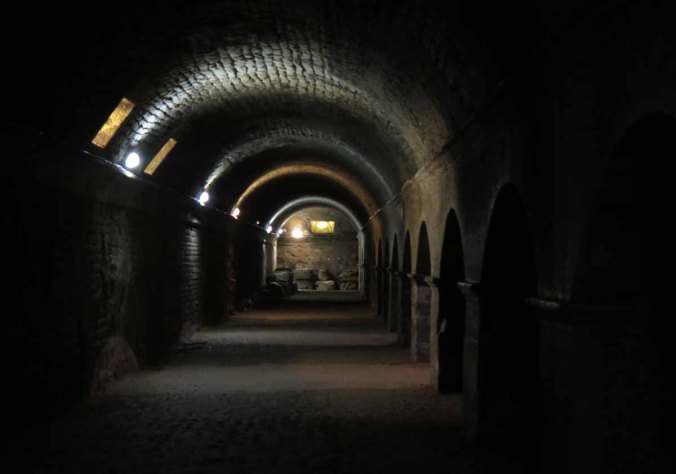
Cryptoportiques: This is an amazing site – the old Roman forums required massive underground tunnels to be built, and here you can visit an example of this. The most impressive thing is how massive it is, it is a huge maze of large tunnels and it’s very well-preserved.

arles 019

Alyscamps: This old necropolis is another impressive site. There’s a big avenue of tombs, and there’s also a big church on the site. Van Gogh and Cezanne both came here for inspiration.

arles 017

arles 016

Saint-Trophime Church and cloister: On the main town square, this church and its cloister are both really nice. The church is ample and has some interesting stained glass windows. The cloister is a beautiful building and there is a good film explaining how it was built.

arles 020

Les Thermes de Constantin: Here you can see the old thermal baths, and there are good notes explaining how the building worked. I visited early when it was just me and the local cats.

arles 018

Musee Departamental: This museum is about 20min from the centre following the Rhone, so you get nice views on the way there. It has an impressive collection of ancient artefacts and tells the story of Arles from its foundation with a focus on the Roman times.

The most interesting exhibit is a 2,000 year-old boat which was rescued from the bottom of the sea and painstakingly rebuilt for display – and there’s a great film explaining how they’ve managed to recreate it.

arles 014

Reattu museum: This is a great local museum with lots of different modern art exhibits. It’s set in an ancient building, so the contrast between the old architecture and the new pieces makes it more interesting. It’s right by the Rhone, so you also get great views of the river from within the museum.

arles 012

Van Gogh in Arles:

Van Gogh lived in Arles, so there are some interesting places around to see his work and where he used to paint.

Vincent Van Gogh Foundation: The Van Gogh Foundation (tickets for 9€) hosts exhibitions featuring some of Van Gogh’s paintings as well as works by other artists (when I visited there was a big Alice Neel retrospective). It’s all presented in the context of Van Gogh’s art, so the exhibits are made relevant to the site.

arles 031

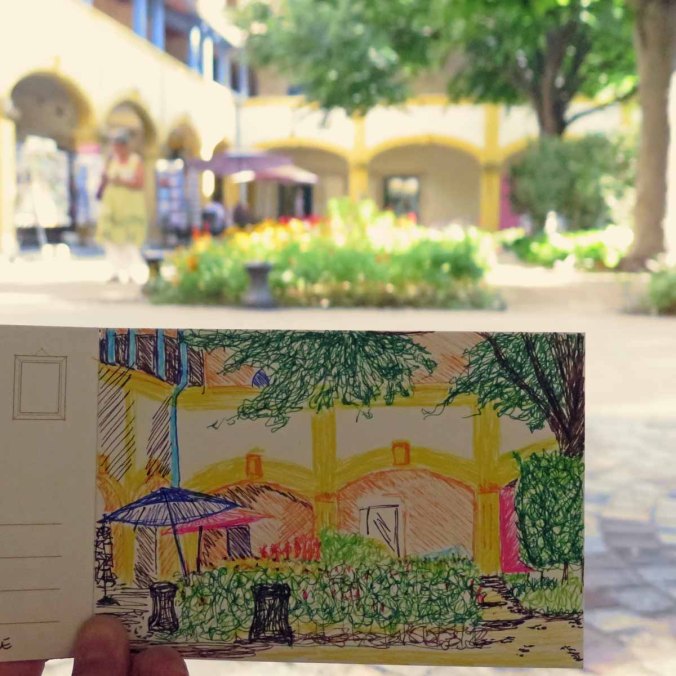
L’Espace Van Gogh: Back when it was a hospital, Van Gogh used to come to this place to paint. Nowadays it’s a cultural centre, and the artistic appeal definitely remains – it really is an ideal place to be artsy (even though my attempt wasn’t up to scratch). It’s a small space but it’s nice to walk around the garden and spend a few minutes lounging about.

arles 039

arles 038

arles 037

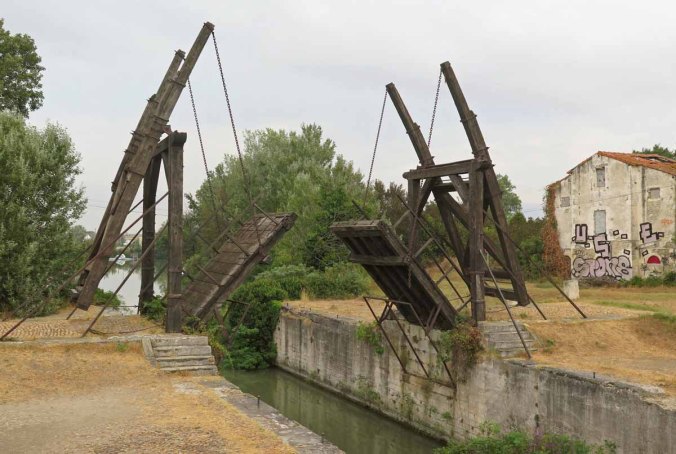
Van Gogh Walk: Van Gogh painted a few of his pieces in Arles, and you can see these scattered around town. They are all marked with plaques, and you can download a map of where everything is here.

arles 041

Farmers’ Market:

Arles hosts two markets, on Wednesdays and Saturdays. The Saturday one is the most famous, as it covers the whole of Boulevard Lices and beyond stretching over 2,5km. It’s a great market, offering not only lots of choice in local produce and handicraft, but also North African delicacies and spices. I found the prices here were a bit better than what I was paying in Aix.

arles 006

arles 009

The Rhone:

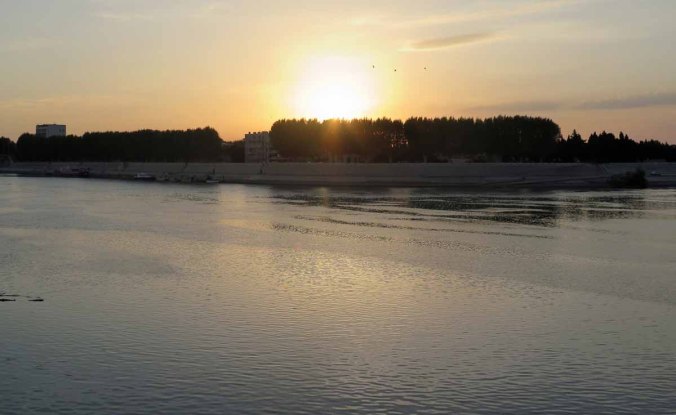
The Rhone goes right through Arles, and you can get amazing views over the river by following a promenade. It is also the best place to watch the sunset.

arles 015

arles 013

HOW TO DO IT:

  • Stay: I stayed in this nice Airbnb which was ridiculously close to the Amphitheatre, and the host provided me with lots of useful tips on exploring the town. Arles is pretty small so as long as you’re in the city centre you can walk anywhere.
  • Go: Arles is very well-connected by train to other towns in Provence. It’s also only about 30min from Marseille, so you can easily fly there from London and get the train from the airport.
  • How long to stay: I stayed in Arles for 9 days, and I used a lot of my time to travel around. There are quite a few highlights in Arles, so you need a few whole days to see everything, and it’s also a great base from where to explore Provence by train.

arles 036

arles 035

arles 034

arles 031

arles 010