HANGING OUT WITH TOTORO AND A TEMPLE FOR CATS: Tokyo off the beaten track

Tokyo has lots of different areas, but many visitors don’t get to explore much outside the tourist trail. These are some cool places I went to in Tokyo:

tokyo 036

GHIBLI MUSEUM

Even before I went to Japan I knew I wanted to visit the Ghibli Museum, but it was still better than I expected!

The museum is located in a park in Mitaka, and even from the outside the place already looks great. Inside, over three floors there are a range of exhibits about the different Studio Ghibli movies, as well as a cool shop and a cafe.

tokyo 052

There’s also a cinema where you watch a short film (in Japanese, but you understand the story from the context). The building is really cool with lots of little nooks and an architecture that brings the displays to life and replicates the atmosphere from Ghibli films.

Tickets cost Y1000 but need to be purchased well in advance on specific dates via this website. They sell out really quickly, which means staying up until 3 or 4am in Europe to get them when they first become available.

kyoto 107

DAIKANYAMA AND SENDAGAYA

I decided to follow the walking tour directions from my excellent Monocle travel guide.

Daikanyama is a cool upmarket neighbourhood full of shops and cafes. The best thing there is the flagship branch of Tsutaya bookshop – two huge floors of inspiration with books (many in English), design objects, a music shop, lounge and lots of sitting space where you can read a book with a cup of coffee. It’s a great find.

Sendagaya is an unassuming area not far from Shibuya. Here you can find little independent shops and many restaurants.

Both areas were good for seeing a chilled side of Tokyo off the beaten track.

tokyo 042

SUMIDA HOKUSAI MUSEUM

I was planning to visit the Edo Tokyo Museum but it was closed for refurbishment. Luckly, there was a sign nearby with directions to the Sumida Hokusai Museum, so I decided to check it out. This is a small but well put-together space, focusing on Hokusai’s life in the area around Sumida, the river that inspired many of his works (tickets Y1200 including temporary exhibitions).

TSUKISHIMA

Built with reclaimed land in the XIX century, Tsukishima is an island in Tokyo Bay. The area is full of cool cafes and restaurants, and little alleyways where locals live. It’s a great place to wander around for a bit, and off the beaten track.

tokyo 016

GOTOKUJI TEMPLE

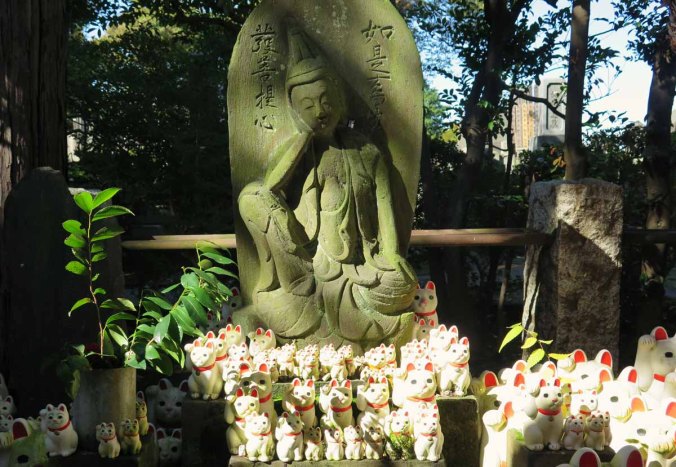
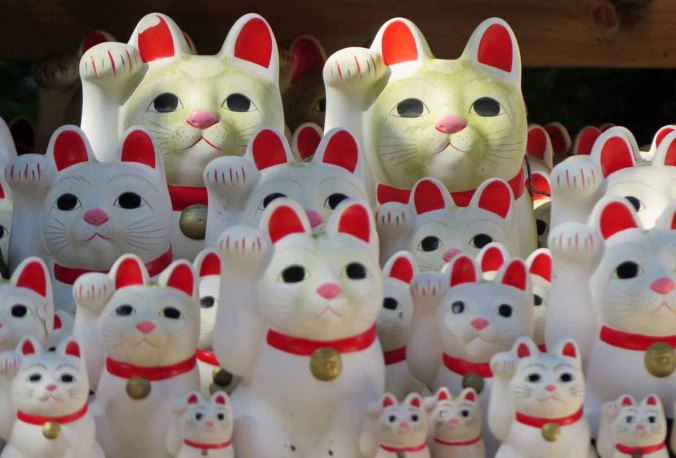
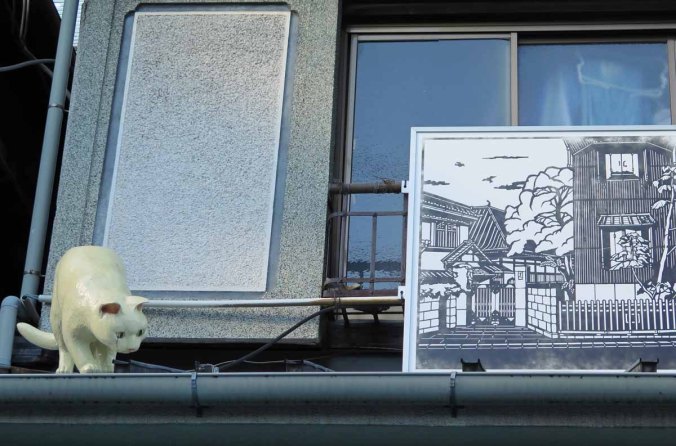
Gotokuji is a nice and fun temple to visit in Tokyo. It’s not as impressive as some other temples, but it’s located in a quiet neighbourhood so it’s a good place for a break. The best thing about it are the many Menekineko (cat figurines) displayed around the site. This popular luck amulet is said to have originated here and has become its symbol.

tokyo 056

tokyo 054

tokyo 053

AIN SOPH SOAR

There are a few Ain Soph restaurants in Tokyo, and we visited Ain Soph Soar in Ikebukuro. This is a cool restaurant serving international food and it’s fully vegan.

We had cheese fondue, pasta and their signature pancakes for dessert, and all of it was great. Their Moscow Mule was really delicious too (dinner for two including drinks for Y6300). It’s a great place to visit for a special meal.

tokyo 055

FISH MARKETS AND BIG WHEELS: Tokyo diaries part 4

tokyo 035

TSUKIJI MARKET

One of Tokyo’s most famous attractions is the Tsukiji fish market. People can visit the auction in the early hours of the morning, but I decided to visit the outer area of the market later instead.

Very close to the market is Tsukiji Hongwanji, a Buddhist temple which is not super-impressive but worth a quick stop.

Reaching the market you get to experience the kind of Asian street food you see on tv. You can try fresh sushi, taste local fruit and sample mochi, the famous rice sweets. There are lots of unusual vegetables for sale, although these can be very expensive. Even for a veggie, it was a great place to visit, with lots to see.

tokyo 029

SKYTREE

There are many places to see Tokyo from above, and the Skytree is one of the most famous. I decided not to enter (I visited the Tokyo Metropolitan Government Building which is free instead), but spent some time exploring the area around it.

There’s a huge shopping centre under it, with lots of shops selling anything from traditional Japanese handicraft to Hello Kitty merchandise.

tokyo 011

TOKYO TOWER AND ZIGOJI

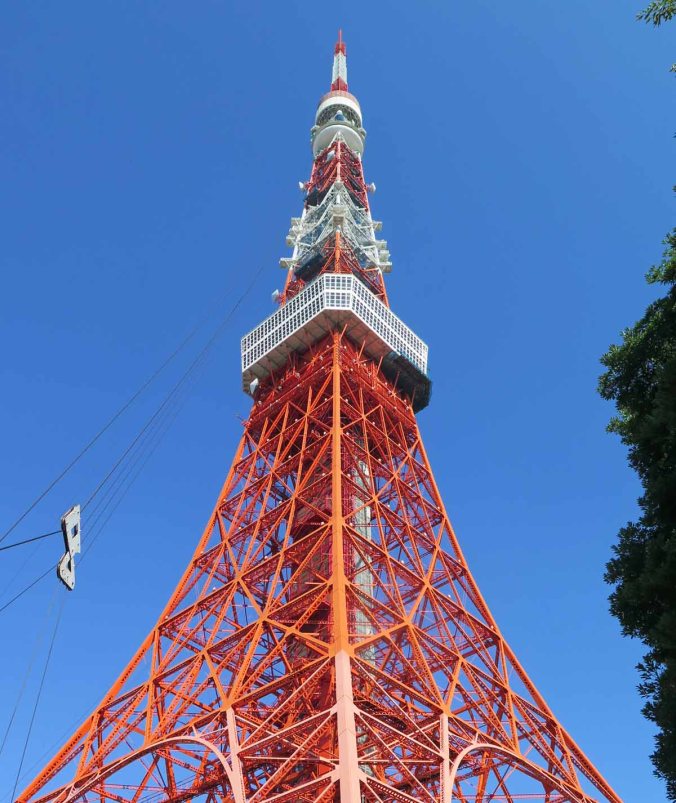
Tokyo Tower is another famous observation deck. The structure looks a bit like the Eiffel Tower, but in red and white. I chose not to climb it either, but on a sunny day the view is supposed to be really good.

tokyo 023

The Zogoji temple is a great place to visit if you’re going to the Tokyo Tower, as you get a nice contrast of old and modern with the temple right in front of Tokyo Tower. There are also lots of little statues with bibs that are really cute and cool.

tokyo 024

tokyo 025

ROPPONGI

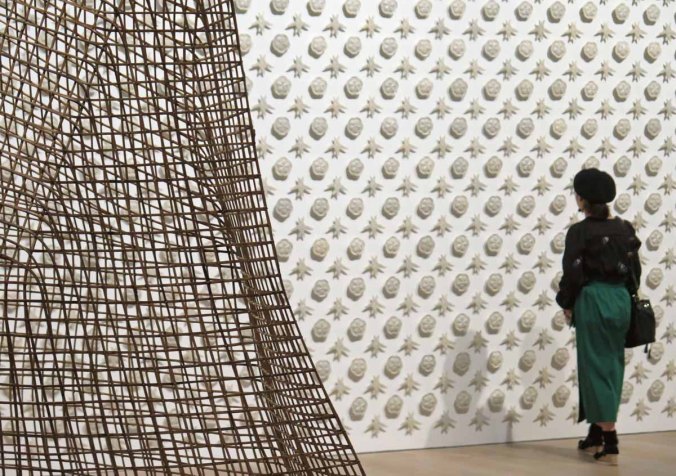
A popular area for going out, Roppongi is a nice neighbourhood full or bars and restaurants. It’s also home to Roppongi Hills, which hosts a massive shopping cenrtre and the Mori Art Museum (ticket Y1000), a modern art museum with lots of cool exhibitions. As it’s located on the 52nd floor, you also get amazing views over the city.

tokyo 027

Not too far from Roppongi is Asakasa, an upmarket office area which also has some shrines – I visited Hie Shrine which was very nice.

ODAIBA

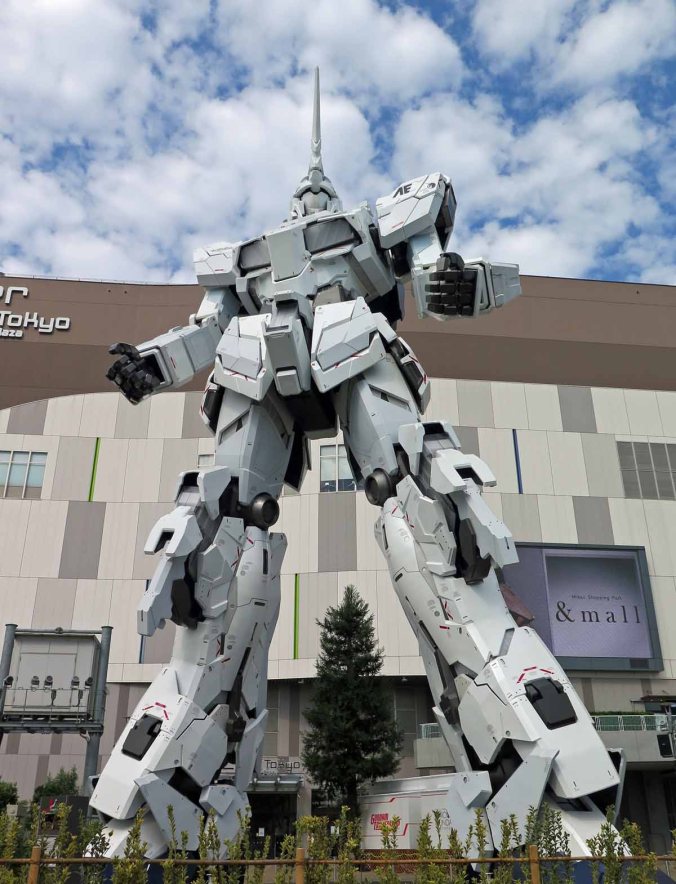
By Tokyo Bay, Odaiba is an area with lots of shopping centres and some local attractions. The shopping centres are what you’d expect, but the massive Gundam statue in front of them is worth a visit.

tokyo 060

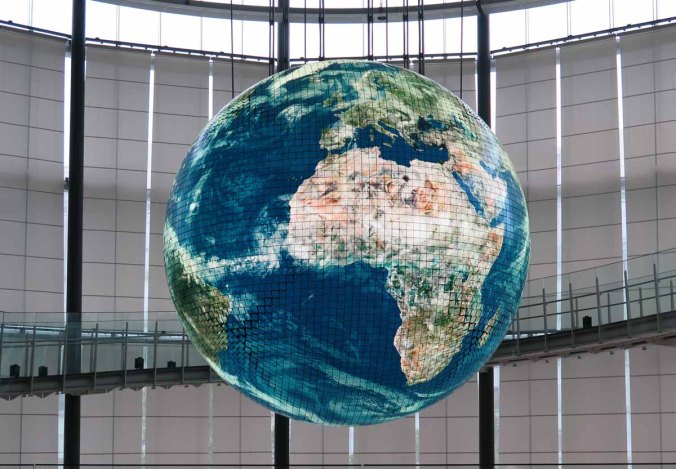
The Miraikan – National Museum of Emerging Science and Innovation – is a fun place to visit (tickets Y620). There are lots of interactive scientific displays, which are exactly what you’d expect of Japanese innovation. But the main attraction is definitely Asimo, the Honda robot that can hop on one leg.

tokyo 019

tokyo 018

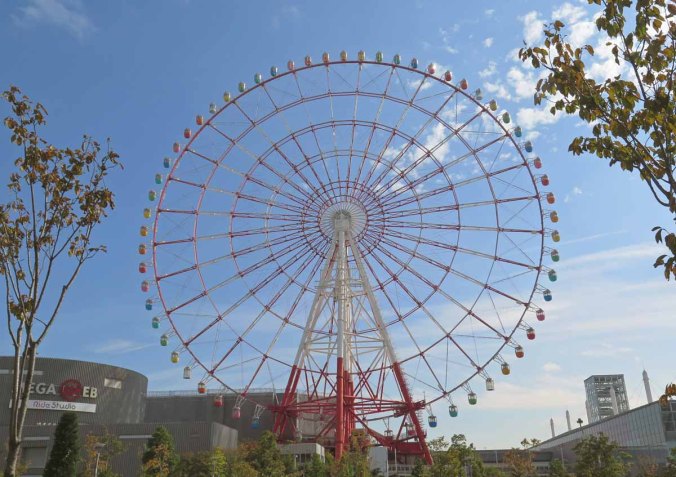
Odaiba is also home to a Ferris wheel which was the tallest in the world when it was built. At 115m high it really is huge, and on a sunny day you get amazing views over the bay (tickets Y920).

tokyo 063

You can also get great views over the impressive Rainbow Bridge and Tokyo Bay from the promenade next to Aqua City, which aside from the views also has an inexplicable replica of the Statue of Liberty.

Odaiba is not a must see in Tokyo but it’s worth the visit if you have many days in the city.

tokyo 062

tokyo 061

NEON ARCADES IN AKIBA AND BUSY TEMPLES IN ASAKUSA: Tokyo diaries part 3

tokyo 014

UENO

Ueno is home to a large park (Uenoonshi) where street artists entertain the crowds. It’s also where you can find many different museums. It was a rainy day, so I visited the Tokyo National Museum (ticket Y620), which has a great collection of Japanese artefacts.

tokyo 021

In the same park is also the Tokyo Metropolitan Art Museum, which hosts a range of free and paid modern and contemporary art exhibitions. I visited a calligraphy one which was interesting.

Near Ueno station is Ameya Yokocho, a pedestrianised market street where stalls sell lots of food and souvenirs. It’s a lively area and good for a walk.

tokyo 022

AKIHABARA

Not far from Ueno, Akihabara (also known as Electric Town or Akiba) is a paradise for anime and electronics fans (I am neither). It’s a weird area full of girls dressed as maids inviting you to one of the many maid cafes around (I don’t think so) and buildings covered with manga on the walls.

There are lots of electronics shops, such as the massive Yodobashi, selling all sorts of stuff.

One fun thing to do around Akiba is going to an arcade (there are many around). You can play new and old video games (I played Super Mario World), try your luck in a prize machine to get a plush toy or manga-ify yourself getting decorated photo stickers. It’s a fun thing to do for a couple of hours.

tokyo 049

YANAKA

Not far from Ueno is Yanaka, an area off the beaten path which is most interesting because it’s one of the few areas of Tokyo which weren’t destroyed in the war. The place has a completely different feel from most of the city, and it’s definitely worth checking out. Yanaka Ginza is the main street, with lots of little shops and bars.

tokyo 045

ASAKUSA

It was dark when I crossed the Sumida river over to Asakusa, and I got amazing views of the Skytree, Asahi Beer Hall and a full moon.

Straightaway I knew Asakusa would be just my kind of place – lots of traditional-looking streets with little shops selling food, handicraft and souvenirs. The place is full of life and you can easily spend hours losing yourself and taking it all in.

tokyo 012

tokyo 015

tokyo 037

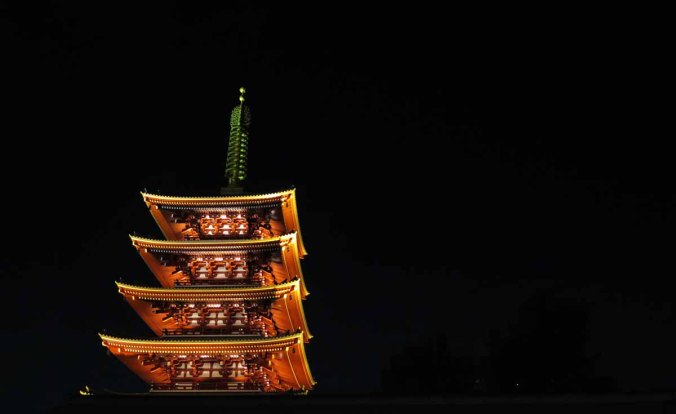
Nearby is the impressive Senso-ji, Tokyo’s oldest temple. The place is really impressive, and it was great seeing it at night with all the lights on, even if it was already shut. You can get your fortune for Y100, which is a fun thing to do.

tokyo 044

tokyo 040

tokyo 041

I decided to go back and explore some more during the day, and it was also great. The area gets really busy, as there are lots of shops and food stalls around, but it’s fast-moving and not too crowded. I tried itayaki (Y154), which is a pancake shaped as a fish with a sweet filling (the traditional one is red bean paste, but I chose custard instead).

Senso-ji Temple is also busier during the day, but there’s more to see as everything is open.

tokyo 039

tokyo 038


ENJOYING THE BUSY LIFE IN SHINJUKU AND SHIBUYA: Tokyo diaries part 2

I knew before I went to Tokyo that I wanted to stay somewhere around Shinjuku, so I spent I lot of my time in the area.

tokyo 073

SHINJUKU

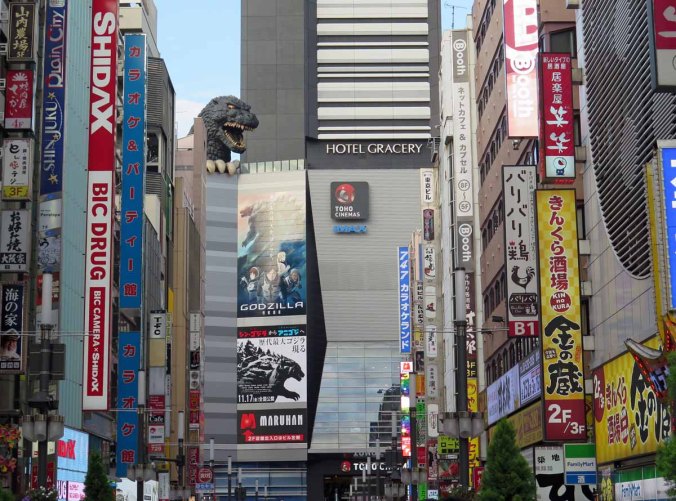
One of the most popular areas of Tokyo is Shinjuku. As soon as you get off the station you’re overwhelmed by neon lights, bright screens and competing loud music.

There are shops everywhere, and a massive Godzilla head watches over you. This is the Tokyo of films. In Shinjuku you can shop at popular places like Don Quijote (don’t go there, it’s a nightmare) or Tokyu Hands; you can go to tourist traps like the Robot Restaurant (I didn’t visit) and you can enjoy lots of weird and wonderful bars.

It’s a good area to explore, and if you’re based around there, you will get to know it well.

tokyo 051

GOLDEN GAI AND BAR-HOPPING

Golden Gai is a traditional area of Shinjuku where you get hundreds of tiny little bars in a few narrow alleys. In the past it was mostly a local crowd, but when we visited it was very touristy.

There are lots and lots of bars in the area and around Shinjuku in general, so there are plenty of options. We went to From Dusk Till Dawn, which despite being mostly empty on a Friday night was a cool place with good music and friendly staff (drinks for Y700).

We also went to Capcom Bar, a videogame-themed bar where you can play games while enjoying food and drinks inspired by them. I tried the Hadouken (for Y700), which was good and looked great too. It’s a fun place to visit – even if it’s clearly very touristy it’s still an interesting experience.

TOKYO METROPOLITAN GOVERNMENT BUILDING

A great option to see Tokyo from above is the Metropolitan Government Building. It has two observation decks (north and south) on the 45th floor and it’s amazingly free to visit (I visited twice and you need to wait a bit to get in but not much).

tokyo 034

You can get amazing views over the city day and night (the north tower is open until 11pm), and it’s definitely a highlight of any Tokyo trip – you get to see the city sprawling in all directions with no end in sight.

Tokyo is a whole world and this is the perfect place to spot its magnitude. I visited the south tower during the day and north tower in the evening and both were great.

tokyo 050

SHIBUYA

The Shibuya scramble crossing is a famous intersection which highlights how Japan is hectic and orderly at the same time. When the lights are green, up to 3,000 people can cross at the same time. It’s nice to watch it from the station and then join the crowds on the ground, which is really fun.

shibuya

Shibuya is an area at the heart of Tokyo where you can get lost for a few hours exploring the place and going into shops. It’s also full of neon signs and bright lights, but a bit less gritty than Shinjuku.

HARAJUKU

Harajuku is internationally famous as the place you see in photos showing Japanese girls dressed up in the weirdest outfits. The area is full of shops selling all sorts of kawaii tat. There are lots of little roads to explore and watch the local crowds – although it is very touristy so you’re really watching other tourists!

If you venture off the main roads things get a bit more interesting. I found Mojo, a hidden-away cafe serving nice pastries (two drinks and a pastry for Y1200) which was perfect for a slow break. And heading towards Omotesando is also a good option to escape the crowds.

tokyo 072

MEIJI JINGU

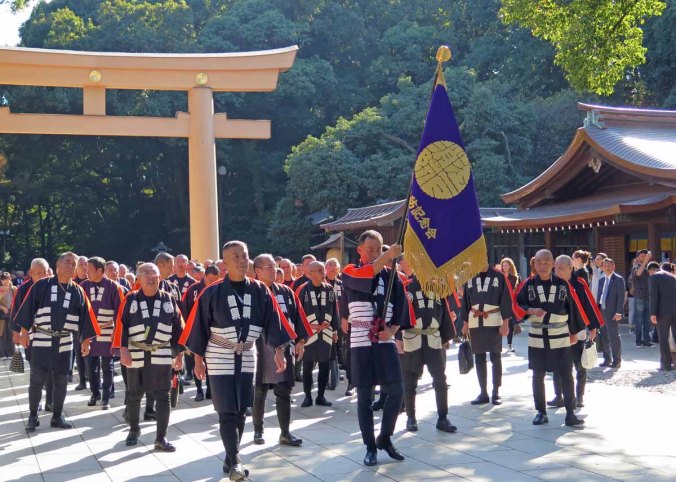
Meiji Jingu is an Edo temple localted in Yoyogi, a huge park next to Harajuku. The park is beautiful and so is the temple – a great place for a quiet break on a sunny day.

tokyo 074

tokyo 070

FOOD AND DRINK:

AOYAMA FLOWER MARKET TEA HOUSE

A flower shop which is also a tea house is the perfect setting for an instagrammable drink. The Aoyama Flower Market Tea House is a popular place for tea with a light meal or dessert. I went on a Monday to avoid queuing (it gets very busy), and it was definitely worth the visit.

I had the Collette tea which was really good with the ‘Halloween’ eclair, very good too (both for Y1530). The whole place is decorated with plants hanging from the ceiling and little vases with flowers everywhere. A bit girly, but a perfect stop for a little treat.

kyoto 114

8ABLISH

We had lunch at this nice restaurant in fancy Omotesando. It is a vegan restaurant serving delicious set lunches with local beers and yummy dessert. A bit expensive at Y3000-4000 per person, but definitely a good option for a treat.

YEBISU BEER MUSEUM

Ebisu is a nice area just one stop from Shibuya. There you can find the Yebisu Beer Museum, a grandiose bar with a small gallery where you can learn about Yebisu beer and taste the different varieties. You can get any of their beers for just Y400 or a tasting set of three for Y800 – it’s definitely worth a visit!

RAINBOW RAW FOOD

Also in Ebisu we went for lunch at Rainbow Raw Food, a vegan place serving a nice selection of light meals. We had the sushi lunch set (Y1500 per person) which was really delicious – and the only time I had sushi in Japan so definitely a good thing to do.

tokyo 020

tokyo 030


EXPLORING GINZA AND THE IMPERIAL GARDENS: Tokyo diaries part 1

I spent lots of time in Tokyo, but the first area I discovered was around Ginza and Tokyo Station, as that’s where my first hotel was.

tokyo 076_small

GINZA AND NIHONBASHI

On my first day in Tokyo, I headed to Ginza, an area full of major retailers. It’s a good area to visit, as it’s full of flagship stores and bustling with people. Nearby Nihonbashi is equally impressive. Even if you don’t like shopping, it’s interesting with lots of flagship stores.

I visited Uniqlo (spread over 13 floors!), Muji, Mitsukoshi (a famous department store) and G. Itoya (a great stationary shop). Shops around Ginza often cover many floors and have anything you need (and even more that you don’t).

Ginza is considered to be a more Western part of Tokyo, with its ample avenues. To me it’s still very much Japan, completely OTT, but a bit less hectic than Shibuya or Shinjuku.

tokyo 028

TOKYO STATION

Tokyo Station is massive and manic, and it has lots of shops and restaurants around and inside it. It’s a useful place to visit for tickets and to get information, but it’s also an interesting stop itself.

Inside the station there’s T’s Tantan, a vegan favourite as it serves ramen (which is rarely vegan-friendly). The food was really delicious and definitely worth a visit (lunch for two including drinks for Y3000). The restaurant is located inside the JR barriers at Keiyo Street, so you need a valid ticket to get in.

Just outside Tokyo Station is Hitachino Brewing Lab, a nice bar serving Hitachino beer. You can try one of their nice beers for around Y700, or sample a float of three for Y980.

tokyo 043

IMPERIAL GARDENS

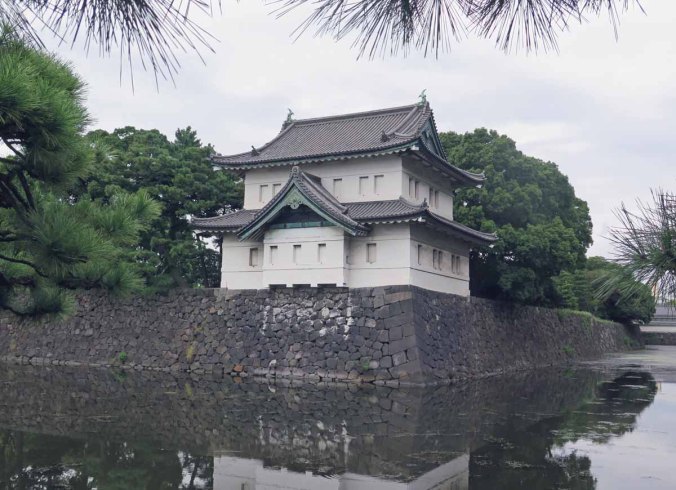
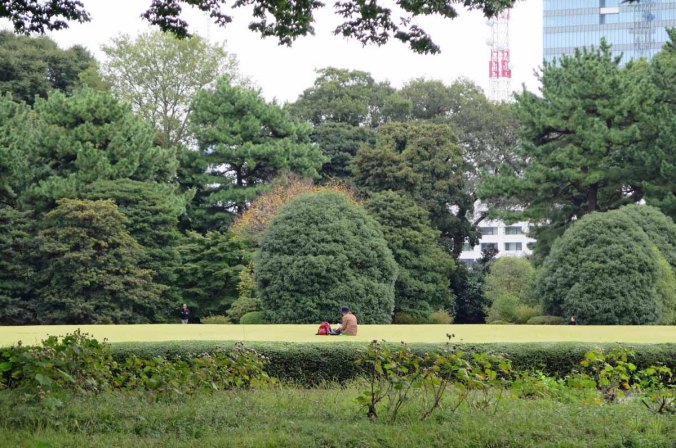
After many days of rain there was finally a break, so we went to the Imperial Gardens (free to visit). It is one of the largest green areas in central Tokyo, and a good place to spend a few hours. There are ample green areas, an orchard, and many historical buildings which used to serve as lookout posts.

tokyo 001

tokyo 046

MOMAT

Tokyo’s Museum of Modern Art is behind the Imperial Gardens. The place hosts many different exhibitions and you can buy different tickets – we visited the permanent collection for Y500. It is a great museum with lots of interesting artworks by Japanese artists, so definitely worth a visit to get to know their work.

tokyo 047

KABUKI THEATRE

One of those things you think about doing before you go to Japan is seeing some Kabuki, and it was actually quite easy to do. Kabuki-za is a famous theatre in Ginza, and it has performances every day.

You can buy tickets on the day for a single act (the whole thing lasts four hours, so an hour-long act is enough). You join the queue about 1h30 before it starts and you get a ticket for Y1000 to Y1600 depending on the performance. You can rent an audio guide to translate it, but they also give you a written summary before it starts (all the details are on this website, look for the single act instructions).

tokyo 048

We went late one afternoon and it was a great experience. The theatre looks amazing and brand new, and the set and costumes are perfect – I don’t think I’ve seen this level of care in a production before.

The plays are quite old-fashioned – it’s all funny expressions and funny lines (I gather), so you only need to try it once!

HUGE BUDDHAS AND CUTE STREETS: Day trip to Kamakura and Yokohama

kamakura 11

I decided to take a day trip to Kamakura, which is not very far from Tokyo.

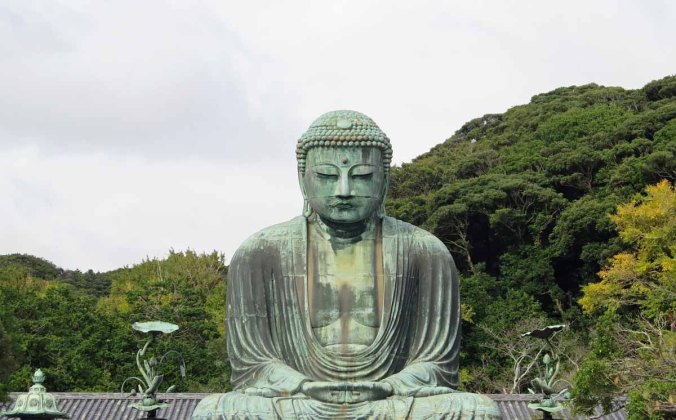
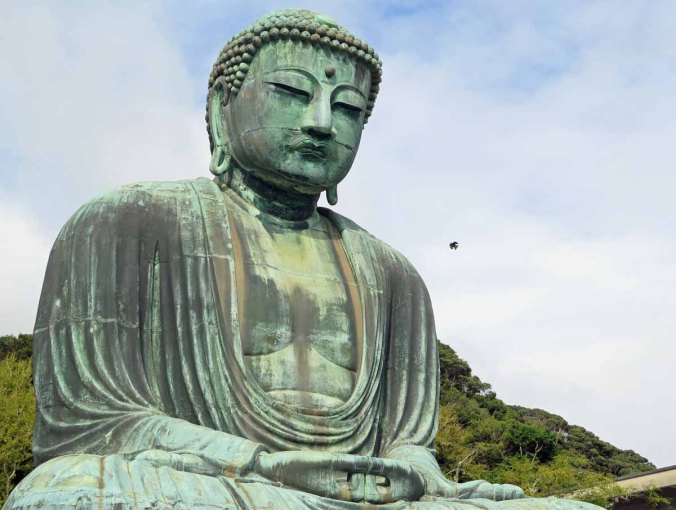
The main draw of Kamakura is the Great Buddha statue (tickets Y200), which really is huge and impressive.

kamakura 10

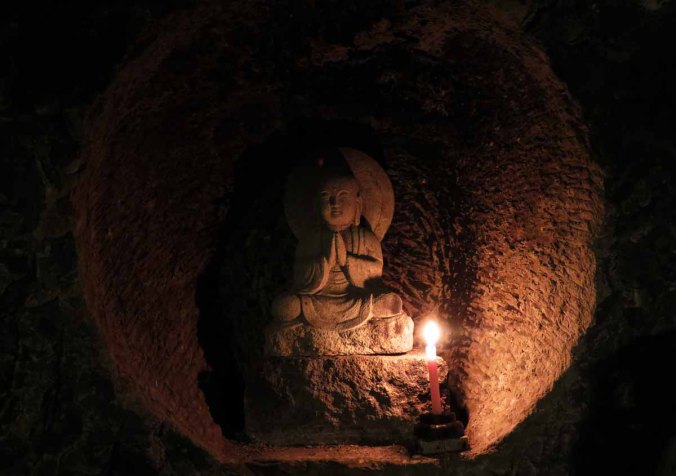
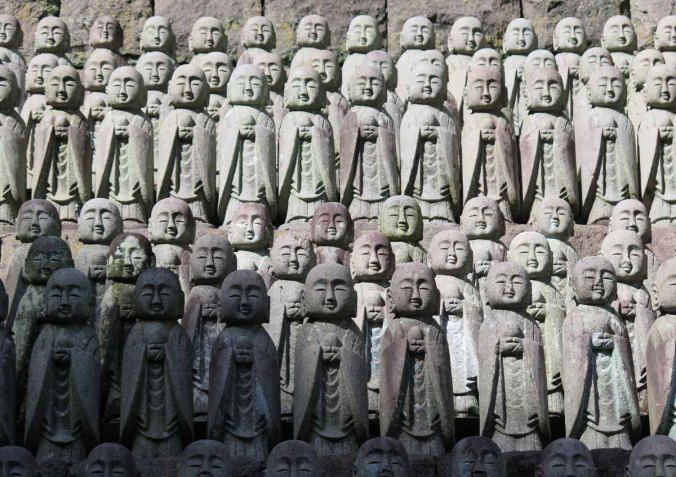
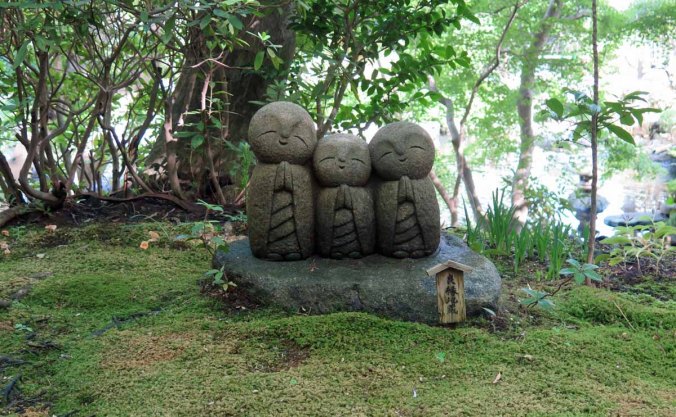
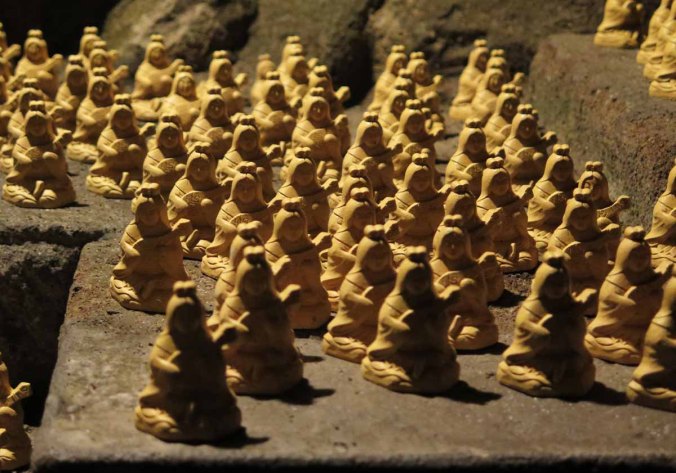
Nearby is Hasedera temple (tickets Y300), a beautiful temple with lots of things to see: there’s a great garden, lots of little Buddha statues and caves with wall carvings.

kamakura 07

kamakura 06

kamakura 04

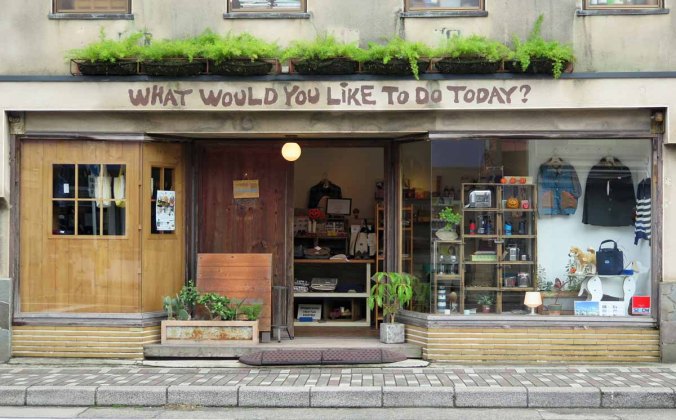
Kamakura is a great place to visit, as aside from the temples there are lots of cool shops and cafes, and the town centre is really cute.

kamakura 12

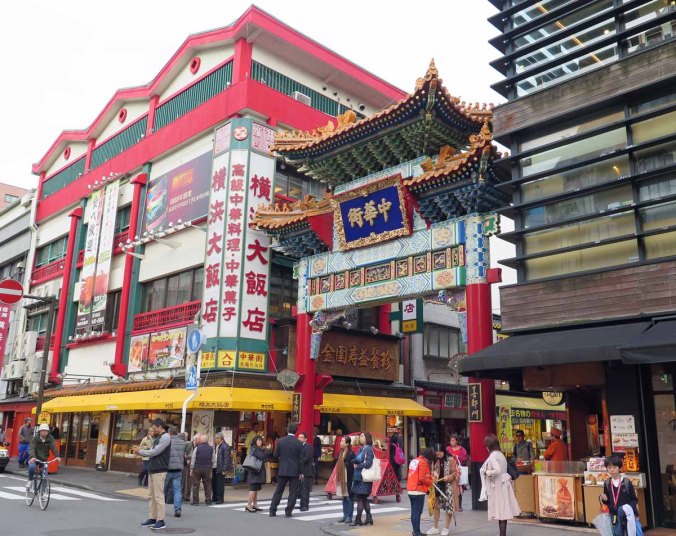
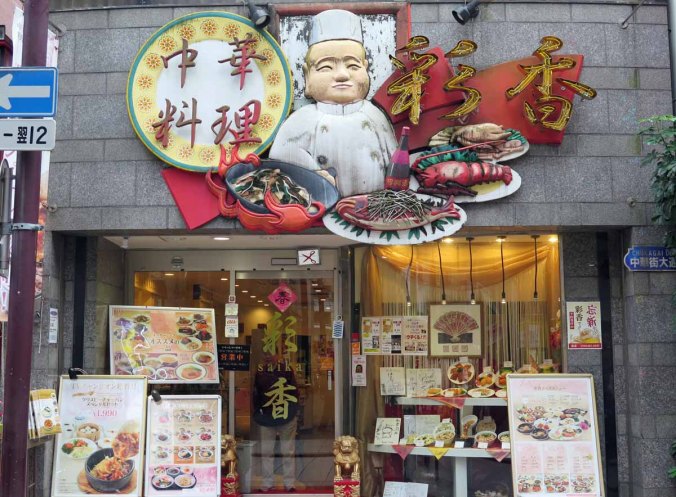
Nearby is Yokohama, so you can visit both on the same day. Yokohama has a famous Chinatown, so I went to check it out. There are lots of food and souvenir shops as you’d expect from any Chinatown, but what really struck me was how nice and tidy it was – definitely the neatest Chinatown I’ve seen!

kamakura 13

kamakura 14

Yokohama also has the Red Brick Warehouse, a historical building which was made into a shopping centre – but a nice one, with independent shops and plenty of cafes and restaurants.

This is a good option for a day trip not far from Tokyo.

kamakura 01

GETTING THERE:

Kamakura is served by a JR line from Shinjuku. The trip takes about 1h20. Once there, everything is within walking distance.

Yokohama is also on the JR line, and the best stations near the city centre are on the Negishi line. It is about 30min from Kamakura and 50min from Shinjuku. Tickets from Tokyo are cheap (Y800 – Y1000, or free with a JR pass).

kamakura 02

kamakura 03

kamakura 08

10,000 RED GATES AND MAGICAL TEMPLES: 4 days in Kyoto

kyoto 091

Kyoto is famous for its temples, but nothing prepares you to the scale of it. There are temples all over the city, and it’s hard to decide which to visit.

I bookmarked the main sites in Google Maps and started exploring from the southeast.

kyoto 011

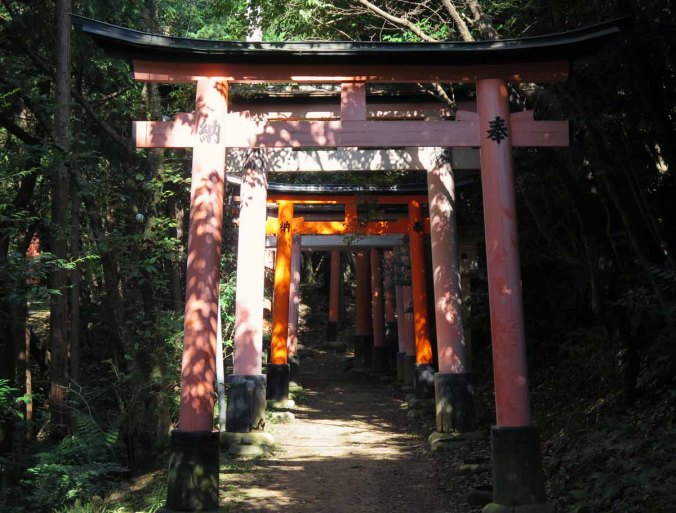
Every temple is different: Sanjusangendo has 1,000 golden Buddhas, Kiyomizu-dera has great views, Fushimi Inari Taisha has 10,000 tori gates going all the way up the mountain.

kyoto 003

But they’re all great, so whichever you choose to visit would be fine. The temples are such a big part of Kyoto that you really can’t walk more than 5 minutes without spotting a shrine somewhere.

The most popular temples can get quite crowded, especially on weekends, so it’s good to visit on weekdays or early in the morning. Some temples are free to visit while others charge an entrance free (usually Y400-600), but it’s always worth the price. The only thing is that it does add up when you’re visiting many temples in one day.

kyoto 113

kyoto 096

kyoto 002

It’s tricky to decide where to go, but these were some of my favourites:

Sanjusangendo with its golden Buddhas.

kyoto 083

Zenrinji which is the most magical place, with free green tea and lovely gardens.

From there you can follow the Philosopher’s Path, a quiet walkway by a canal where cats hang out, artists sell their watercolours and carps swim nearby.

The path takes you to Ginkakuji, a temple with beautiful gardens.

kyoto 034

kyoto 035

kyoto 036

kyoto 037

kyoto 038

kyoto 039

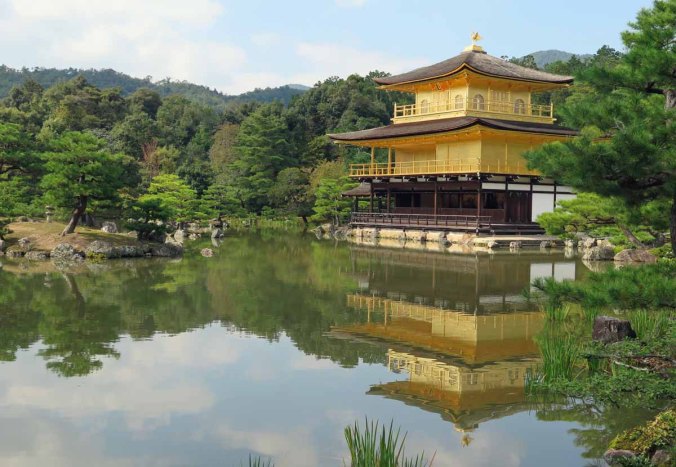
Kinkakuji with its golden pagoda.

kyoto 049

kyoto 048

Fushimi Inari Taisha with its endless tori gates. It get really crowded, but if you take the time to climb all the way up Mount Inari over a couple of hours it’s pretty quiet at the top.

Off the main path you can also find an amazing bamboo forest – which was completely empty when we visited.

kyoto 097

kyoto 098

kyoto 099

kyoto 100

kyoto 101

kyoto 102

kyoto 103

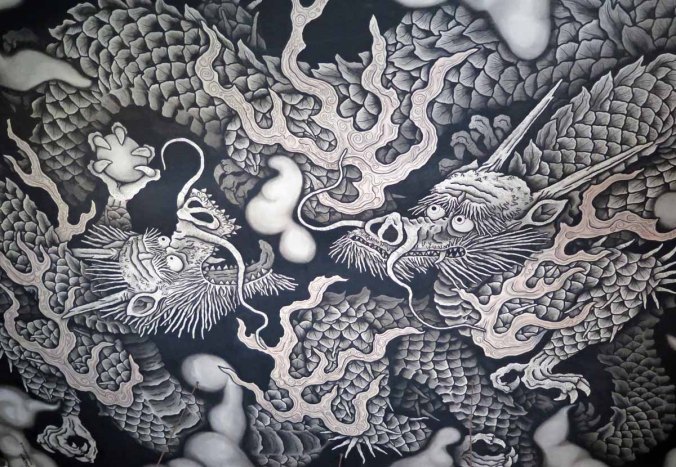
Kenninji with its twin dragons and quiet zen garden.

kyoto 028

KYOTO BACKSTREETS

Kyoto also has lots of little backstreets with traditional-looking buildings.

kyoto 085

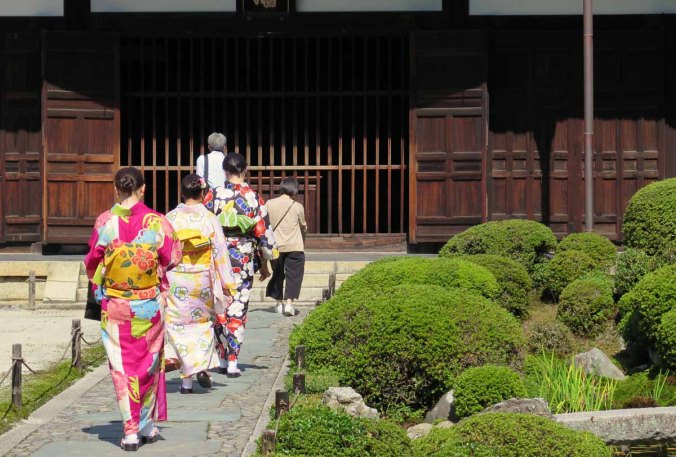
In Eastern Kyoto you can find Ninenzaka, a pedestrianised area full of little shops selling handicraft (for which Kyoto is famous) and local delicacies. This is also where you can rent a kimono and pretend to be a geisha for the day. It’s a busy area but a cool place to visit.

kyoto 009

kyoto 090

kyoto 086

One of the cute cafes around there is the Hello Kitty Cafe, where you can sit down with Hello Kitty herself and enjoy a ridiculous ice cream sundae (Y1030).

kyoto 021

Elsewhere, Gion corner and Pontocho are also full of cafes and bars that look authentic and cool.

kyoto 026

kyoto 020

NISHIKI MARKET

Right in the centre of Kyoto is Nishiki Market, a traditional market selling all sorts of Japanese food. Although not particularly veggie-friendly, it is a great place to visit to take in the atmosphere and spot local delicacy.

kyoto 052

Around the market there are also lots of other shopping streets selling souvenirs and Japanese handicraft.

Alternatively, Sanjo-Kai Shotengai is another nice market, located close to Nijo Castle (and mush less crowded).

kyoto 027

ARASHIYAMA BAMBOO GROVE

I headed to Arashiyama early to try and avoid the crowds. The area is famous for its bamboo forest, but it’s also a nice place to wander around as there are lots of cute shops and the Tenriji Temple.

kyoto 057

kyoto 056

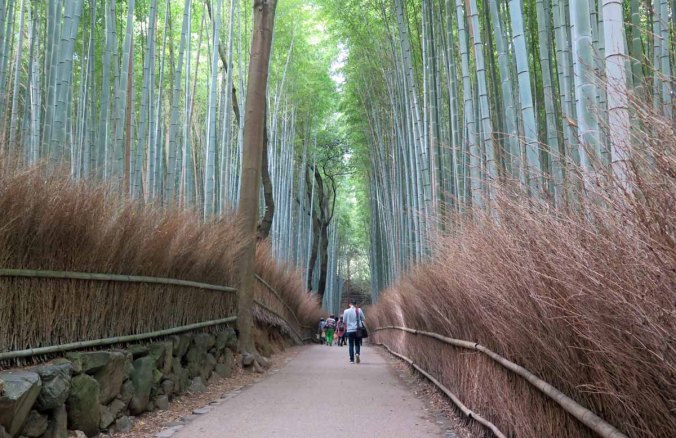
The bamboo groves are really impressive and unlike any forest I’d seen before. You can spend some time taking photos and just taking in the atmosphere – it’s definitely quieter than most other places in Kyoto!

kyoto 055

FOREVER MUSEUM OF CONTEMPORARY ART

I’m a big fan of Yayoi Kusama, so I was happy to discover there was an exhibition of her artwork in Kyoto. The Forever Museum of Contemporary Art (tickets Y1200) is located in East Kyoto close to some of the main temples in the area. The museum has five large exhibition rooms and they had lots of Yayoi Kusama’s work on display, which was a great opportunity to see some of her work in Japan.

kyoto 029

HOW TO DO IT:

STAY: I stayed at this Airbnb which was really good. Kyoto is not as expensive as Tokyo and there are plenty of options.

kyoto 106

GO: Most people go to Kyoto via bullet train, and that’s what I did. The service from Tokyo is regular and takes a bit under 3h. Plus it’s definitely something to experience in Japan!

kyoto 025

TRANSPORTATION: Kyoto has great transportation links and it’s fairly easy to navigate the system with Google Maps. You can use an IC card (their equivalent to an oyster card) on most transportation. Urban trains are often JR-operated so are free with a JR pass. Especially in Eastern Kyoto, many of the temples are within walking distance.

kyoto 013

VISITING TEMPLES: The main draw to Kyoto are the temples, but there are so many it’s hard to choose which to visit. I went to lots of them, and from my experience all the larger temples are worth a visit, so in a way it doesn’t really matter which you choose – they’re all different and each has something special to offer.

kyoto 004

WHEN TO GO: I visited in October for four days, but you can easily spend a week there. At times it was still really hot at 30 degrees, which made all the walking a bit difficult. Some of the main temples (such as Fushimi Inari Taisha) get really (really) crowded at weekends, so visit early on a weekday – but the main sights are always busy, so you never get the place to yourself.

Checking out some temples off the beaten path is a good way of enjoying them with a bit more time and space.

kyoto 093

SHOPPING: Kyoto is famous for handicraft, and there are tons of shopping areas in the city centre selling yukatas, furoshiki, Japanese dolls and lots more. Prices tend to be good, but often vary from place to place.

Most temples also have little shops selling souvenirs and amulets. There are usually labels in English to indicate if something should be used as an offering only or if you can take it home with you.

kyoto 018

FOOD: Kyoto has a good amount of veggie places. The area around Nishiki market is full of options – we visited Cafe Matsuontoko which served delicious vegan burgers (meal for two including drinks for Y3000).

kyoto 012

kyoto 010

kyoto 008

kyoto 006

kyoto 084

kyoto 051

kyoto 054


BEAUTIFUL ARCHITECTURE AND FANCY RESTAURANTS: 2 days in Vienna

austria 02

This was my second time in Vienna and the city was just as impressive as I remembered.

We arrived early afternoon, so we dropped our bags at our flat and headed to the centre for lunch. We ate at Wrenkh, a restaurant serving delicious food with lots of veggie options hidden away just behind Stephansplatz (lunch for three including drinks and tip for 50€).

austria 01

Despite the rain, we set off exploring the city centre, stopping at St Stephan’s Cathedral, Hofburg Palace, the Spanish Riding School and the Manner shop to stock up on loads on chocolate. Then we headed back to the flat for an early night in.

It was sunny when we woke up so we took the metro to Schonbrunn Palace, the famous residence of Empress Sissi. We walked the gardens for a bit then had coffee in their cafe (coffee and croissant for about 8€).

austria 05

austria 04

Next we went back to the city centre to visit the Albertina Museum (tickets for 13€). This is a great museum for seeing Austrian and European art. When we visited they had an impressive Brueghel retrospective on.

We had a late lunch at Cafe Hawelka, a popular place in the centre which still captures the post-war atmosphere (lunch for three including drinks and tip for 45€). This is a great place to escape the frilly splendour of most Viennese cafes.

After exploring a bit more of the centre we headed back to pack for the next leg of our trip.

austria 03

HOW TO DO IT:

  • Go: Vienna can be easily reached by train (we came from Brno) and flying, and it’s a good destination for a short break.
  • Stay: Accommodation isn’t particularly cheap, but there are lots of options. We stayed at this Airbnb which was a great choice and about 20min from all the main sights.
  • Transportation: It’s easy to get around by train and U-bahn. We bought a 48h ticket for 13.30€ and those were a great option as they cover all transportation. In the city centre everything is within walking distance.

austria 06

ART IS NOT AN END BUT A BEGINNING: The Venice Biennale in pictures

venice 06

This was our third time at the arts Biennale in Venice (we went in 2013 and 2015 as well).

venice 28

As ever, there was absolutely loads to see.

venice 26

And the two days we had to explore just flew by.

venice 20

Long days of art-spotting…

venice 18

…followed by nights of sipping Aperol spritz by the canals.

venice 24

I could do this for a living!

venice 14

But as I can’t, at least I know I can come back for more in two years.

venice 17

As Ai Weiwei, said…

venice 27

“Art is not an end but a beginning”.

venice 13

venice 29

venice 25

venice 23

venice 22

venice 21

venice 19

venice 10

venice 11

venice 15

venice 16

venice 12

venice 01

venice 05

venice 07

venice 08

venice 09

venice 30

venice 31

AMAZING FOOD AND MONSOON FUN: Southern India reflections and how to

india 011

India is a massive and diverse country, so it’s hard to define it as a whole. We visited the south of the country over three weeks, and in many ways we barely scratched the surface.

India is loud, vibrant, difficult and appealing all at once. From the luscious green landscape of Kerala to the microbreweries of Bangalore and the hippie lifestyle of Pondicherry, there’s something for everyone – you can spend a month lazying by the beach or joining the local crowds in hipster cafes.

The pull of India is undeniable. Colonial architecture, amazing food and the unstoppable activity are all there to drag you in.

The people we met along the way were really friendly, from the waiters who warned us about spicy dishes to the tuk-tuk driver who asked if we wanted to drive instead, we felt really welcome – everyone seemed to want to make sure we were having a great time; and of course we were.

And obviously India is not an easy country – there’s poverty, crazy traffic and so much noise everywhere. But amid it all, there’s beauty, culture and tradition, temples and gods creating the fabric of a country that really is a world in itself.

india 006

HOW TO DO IT:

Itinerary planning:

Once we decided we’d travel to the south of India, we set out mapping where we wanted to go. I used this tour by G Adventures as the basis of our trip.

  • We did:
    – Mumbay – 3 days
    – Bengalore – 3 days
    – Chennai – 1 day
    – Pondicherry – 4 days
    – Madurai – 2 days
    – Amritapuri ashram – 2 days
    – Kochi – 3 days
    – Mumbai – 3 days

This was definitely a comprehensive itinerary, and although it was busy, as a way of getting to know many places it was the right balance.

Chennai didn’t really have anything to offer, but it’s the easiest starting point to visiting Tamil Nadu. We had a great time in Pondicherry and could have stayed for longer, but four days is definitely enough to see it well. Kochi was another favourite with its easygoing colonial vibe and lush greenery. And of course Mumbai is a whole world.

But the main advantage of our itinerary was that we saw many places off the beaten track – most people I know visit Delhi, the Taj Mahal and Goa. And although I would love to visit those places too, it was great to see a different side of India – one in which many of the stereotypes didn’t hold true.

india 025

Trains:

Travelling by train in India is very popular, and because we were covering a lot of ground, it seemed like a good option. Tickets are really cheap too.

We did a lot of research before buying tickets and booked everything online – Seat 61 was a great help, as purchasing tickets can be a long process.

We took three trains, one during the day and two sleepers. All were good – we chose second class as recommended and it was comfortable and had air conditioning.

Trains were mostly on time, although we had a one hour delay once.

Stations don’t always have clear signage, but both on trains or at the platform people were helpful and gave us the information we needed.

Travelling by train is also a good way of seeing the Indian countryside passing through your window.

Because of the way people drive in India, given the chance I’d always prefer a train over a taxi. Alternatively, for long distances there were good options for cheap flights.
india 008

Transportation in cities:

India is famous for its chaotic traffic, and we saw that was the case in big cities. Public transportation is not always available, although you can get the occasional bus or metro. In smaller cities, sometimes things are within walking distance, but in general that is not the case.

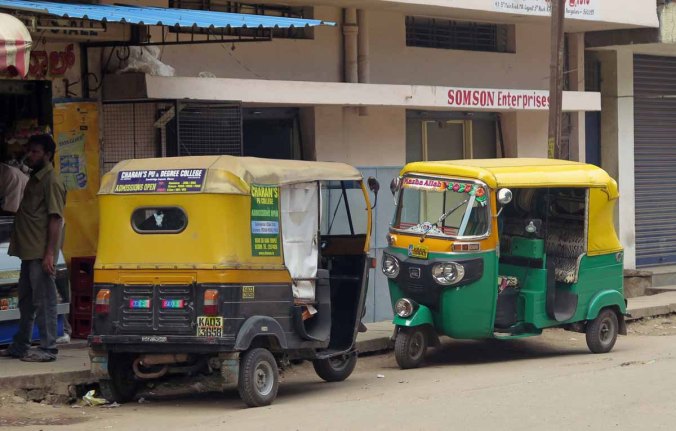
Most of the time you will rely on tuk-tuks or taxis. Tuk-tuks are easily available everywhere and are good fun. In Mumbai and Bangalore there were restrictions on where they could go (and sometimes the drivers will simply turn you down!).

Tuk-tuks area cheap, but you need to agree on a price before you get in – Mumbai was the only place where they used meters.

Taxis in India are mostly app-based. Aside from Uber, Ola is a local alternative, but you need an Indian mobile number to use it. Hotels and restaurants are generally also able to arrange transportation if needed.

india 020

Visa:

You can get an e-visa online, which is a good system. You complete the form and pay the £41 fee on this website. The site has a few glitches, so you may need to try a few times before your application goes through.

A couple of days later you get an email confirmation. All you need to do is print that off and bring it with you to the airport.

Money:

As expected, India is really cheap, and in many ways that is part of the appeal. You can get a cheap meal for £1, a hotel room for £10 and an outfit for £5. In shops and markets it can be hard to bargain as often the starting price is lower than what you wanted to pay (you should haggle anyway though, as it’s the way to do it).

There were three of us travelling and the daily kitty of £20 per person was more than enough to cover everything apart from accommodation (some days we spent only half of it).

In bigger cities, however, we found that prices vary much more, and in Mumbai you could find lots of high end restaurants with prices just a bit lower than those in the UK – so it’s best to save these for a special occasion.
india 015

Weather – travelling during the monsoon season:

We travelled in July, which is supposed to be very hot and wet as it’s monsoon season. Because of that, we decided to travel south – the region is supposed to be really beautiful then.

What we found is that the monsoon wasn’t really what we expected. In Tamil Nadu we got no rain at all. In Kerala we got the occasional storm but that always passed quickly. Mumbai was also pretty much dry.

As for the heat, in some places it did get over 35 degrees, but restaurants and shops tend to have air conditioning or fans, so it wasn’t that bad. Many of the places we visited had a maximum temperature of around 30 degrees, which is hot but not unbearable.

So travelling during monsoon season turned out just fine – and we had the bonus of avoiding the tourist crowds.

People:

You always hear a lot about how much hassle you get in India, but our experience was different. Nowhere did we get much hassle at all – in Madurai we had a few pushy sellers, but that was very minor.

Mostly, when people spoke to us they wanted to ask us for a photo or to chat about our experience in India. People were also very helpful and forthcoming when they thought we needed directions or some guidance.

Yoga and Ayurveda:

We wanted to take advantage of being in India to do some yoga, and we managed to do so in Pondicherry (at Rishi) and Kochi (at Sivananda).

We also managed to have ayurvedic massage in Pondicherry (at Keralaa Ayurveda).

What we found though is that those weren’t as easily available as we expected – we really needed to do some research in order to find the places, and there weren’t lots of options.

With the yoga, we were the only people to show up to the public classes we did, which was great for us but also showed it was definitely low season.

But all we did was definitely great fun and amazing experiences.

india 013

Food and Drink:

Food in India is famously impressive, but it surpassed my expectations. We ate lots of different types of Indian food, both from the north and south of the country, and at varying prices. Pretty much everywhere we ate very well.

Where we ate Western food, it was also delicious – particularly the desserts (so much cake!) were amazing. People always flagged if they thought something may be too spicy for us which was good.

And of course India is a vegetarian’s paradise, so there were always tons of options for me to choose from. I was travelling with friends who have a bit more expensive taste than me, so maybe because of that I didn’t get a case of Delhi belly at all!

Our experience of food in India was a rich part of our trip – from cool cafes to traditional thalis everything added value to our journey.

Drinking in India can be a bit trickier – in some areas there are strict regulations and it can be hard to find a bar, or you may be restricted to only a couple of places serving Kingfisher.

Big cities are easier, with bars and restaurants offering good selections of drinks. These are not super cheap though, so alcohol can have a big impact on your daily budget.

The best place we found for drinks was Bangalore, which has a vibrant craft brewery scene with lots of cool bars serving good beer to the local crowd. Indian wine is available in some upmarket places, but it’s usually expensive.
Shopping:

I knew India was going to be cheap and although I’m not one for shopping, I expected to be tempted. Prices can really be insanely cheap, but I didn’t always find things as appealing as I thought I might.

Shopping for sarees was the only thing that was a bit overwhelming as there were countless options everywhere. I still bought a few things but nothing over the top.
We also found some upmarket shops with more unique options (Fabindia was our favourite). Those still had reasonable prices but were less conducive to a shopping spree.