A WEEK IN THE OLD YUGOSLAVIA: MOSTAR, BOSNIA

We left Croatia early in the morning in a bus to Mostar.

Bosnia is very close to Croatia, but with three border crossings along the way (Bosnia-Croatia-Bosnia), expect the journey to take at least a good four hours, regardless of what any guide will tell you.

The bus journey goes alongside the Croatian coast and then onto the Bosnian countryside, with scenic views all the way.

Once you’ve crossed the third border into Bosnia, it quickly becomes clear that this country is still recovering from the war, the many derelict buildings and bullet holes an evident reminder of its recent past.

MOSTAR:

mostar9_for web

I was looking forward to visiting Mostar. The view of the Old Bridge is stunning, and undoubtedly what warranted the town’s Heritage site status. Mostar is in Herzegovina, the southern part of the country.

The Old Town is scattered with souvenir shops and restaurants. There is lots of handicraft on sale, including copper jewellery and coffee sets, which are often made in workshops nearby. Prices are extremely low as compared to anything in the UK. As ever, we bought nothing.

We stopped for lunch at Kulluk. This could easily have been a tourist trap, but this being low season we had a nice lunch with views of the bridge for about £10 for two including tips – portions in Bosnia are normally quite large, and this was no exception.

What is clear all around Mostar is how recent the war is. The bridge was completely destroyed in 1993 and reopened in 2004 (there’s horrible footage of it being destroyed here). Venture outside the Old Town and all around there are buildings completely covered in bullet holes, a grim contrast to the beauty of the little city centre. War memorabilia is ubiquitous (bullet case souvenir, anyone?).

The place is at once beautiful, nostalgic, and poor – walking around the near empty streets at night it’s clear why everything is so cheap: there isn’t much money going around here anyway.

We went for a beer early in the evening at Black Dog Pub, which came highly recommended on TripAdvisor. You can have a pint for less than £1.50, which should be enough to justify the visit, but it’s actually a nice place, with a relaxed atmosphere and clearly a place for locals as well as tourists.

The place was quite full, as was Sadrvan, a traditional eatery that was completely packed on a night where every other restaurant was dead empty. This is the place to visit (we hear) if you want to try the local fare. The food was really nice, again the portions were massive (order olives and you get a whole jar) and the service was friendly. Vegetarianism hasn’t really made it to Bosnia yet, and veganism is definitely alien – even the roasted vegetables (delicious) had cheese on them.

HOW TO DO IT:

  • Transportation: Mostar is normally visited by tourists on the way to Sarajevo or Dubrovnik. Buses from Dubrovnik to Mostar leave a few times daily, and although the distances are short, be prepared to spend more than four hours on a bus. The main terminal in Dubrovnik is easily accessible by bus from the city centre. Tickets cost 110 kunars per person and can be bought at the bus terminal in advance or on the day.
  • Accommodation: We stayed at Elite Guesthouse. For 25€ we stayed in a large and comfortable bedroom with a massive ensuite bathroom. Everything was sparkling clean. Our host, Mesa, was really helpful and really takes pride on his nice hotel. Many people only stop in Mostar for a few hours on their way to Sarajevo, but I recommend spending a night there, before heading to Sarajevo.
  • Money: Everything is extremely cheap, even in the touristy areas. The currency in Bosnia is the Convertible Mark, but many places accept euros.

A WEEK IN THE OLD YUGOSLAVIA: DAY TRIP TO MONTENEGRO

Montenegro was our second stop in our Eastern European break.

Not knowing much about Montenegro and having a limited amount of time, we decided to take a day trip with Amico Tours.

We left Dubrovnik at 8am, when we were greeted by our guide, Zof. He was friendly and well-informed, providing commentary along the way. There were eight of us in a minivan.

The tour goes around the coast with amazing scenic views all the way. There were two main stops: Kotor and Budva.

kotor view 3_for web

KOTOR:

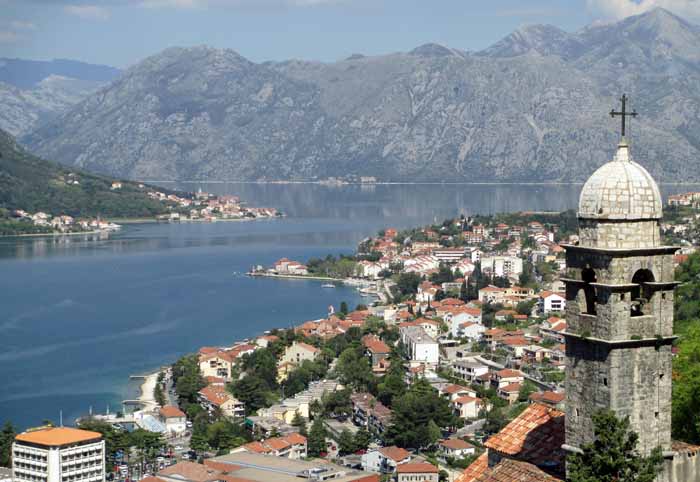
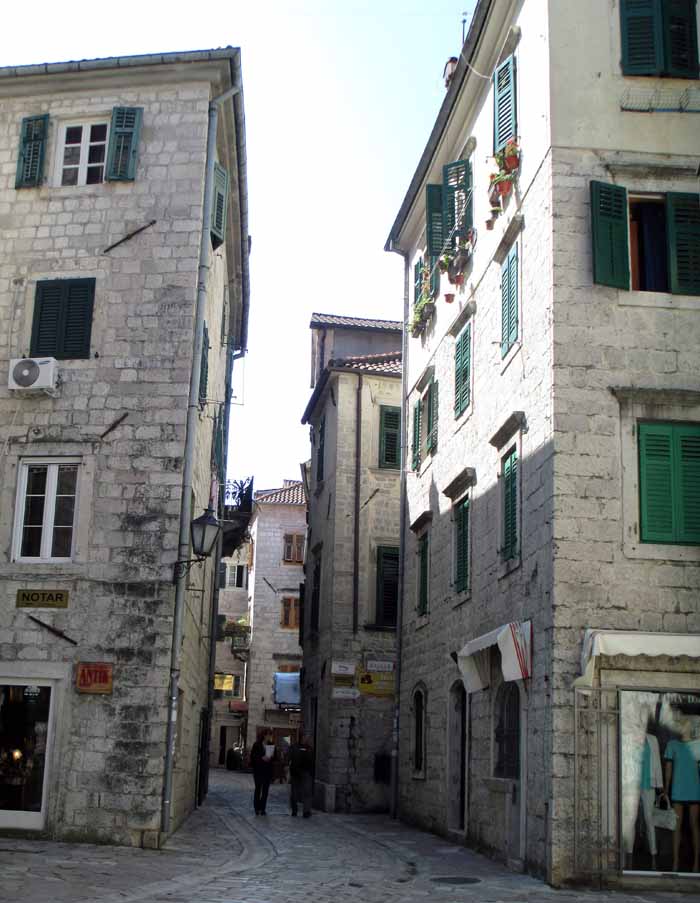
Kotor is very deservedly a Unesco Heritage site. The Old Town is a lovely little maze with stunning mountain views in the backdrop. The streets are full of cafes and restaurants, touristy but still very authentic.

kotor 6_for web

From then, you can hike up to the fort, which is definitely the highlight of Kotor: 45min uphill you get breathtaking views of the bay, and although there are pictures below, they definitely don’t do justice to the place: it was just perfect.

We were extremely lucky with the weather, very sunny but mild, making it an ideal day for this trip. This was an absolute highlight – I’d definitely come back to spend a couple of days exploring the little corners of Kotor.

BUDVA

Our second stop was in Budva, which is more popular than Kotor with the tourists. Having said that, it doesn’t seem to have the same character.

It also has a little charming old city centre and nice views to the beach, where we had a nice pizza.

Finally, we hopped on a ferry from Tivat and started making our way back to Dubrovnik, where we arrived at about 6h30. It was a great day trip, and a very good introduction to amazing places I had never even heard about. It was just really great to go there.

HOW TO DO IT:

  • Getting there: it can be a bit tricky to get to the coast of Montenegro, so a day trip may be the easiest approach. Otherwise, fly to Podgorica (the Montenegrin capital) as a starting point. From Croatia, there are twice-daily buses from Dubrovnik, but the timings do not work very well for a day trip.
  • Tours: there are lots of tour operators in Croatia offering day trips to Montenegro, but booking before you get there can be a bit tricky. I chose Amico tours because they had good reviews online. We booked it over email and paid on the day – friendly and easy, recommended. The day trip cost 50€ per person, a fair price.
  • Money: Montenegro is not part of the EU, but their currency is the Euro, which makes things nice and easy. It’s not particularly expensive – our nice pizza by the sea cost around 8€.

A WEEK IN THE OLD YUGOSLAVIA: DUBROVNIK, CROATIA

A few months ago I wrote about the trip we were planning to Eastern Europe. Our plans worked perfectly, and our trip started with three days in Dubrovnik, on the Dalmatian coast.

Dubrovnik was one of our favourite places in this trip: beautiful, scenic, and relaxing. It has an Italian feel to it, and it has become quite popular with the tourists in recent years.

old town 5

THE OLD TOWN

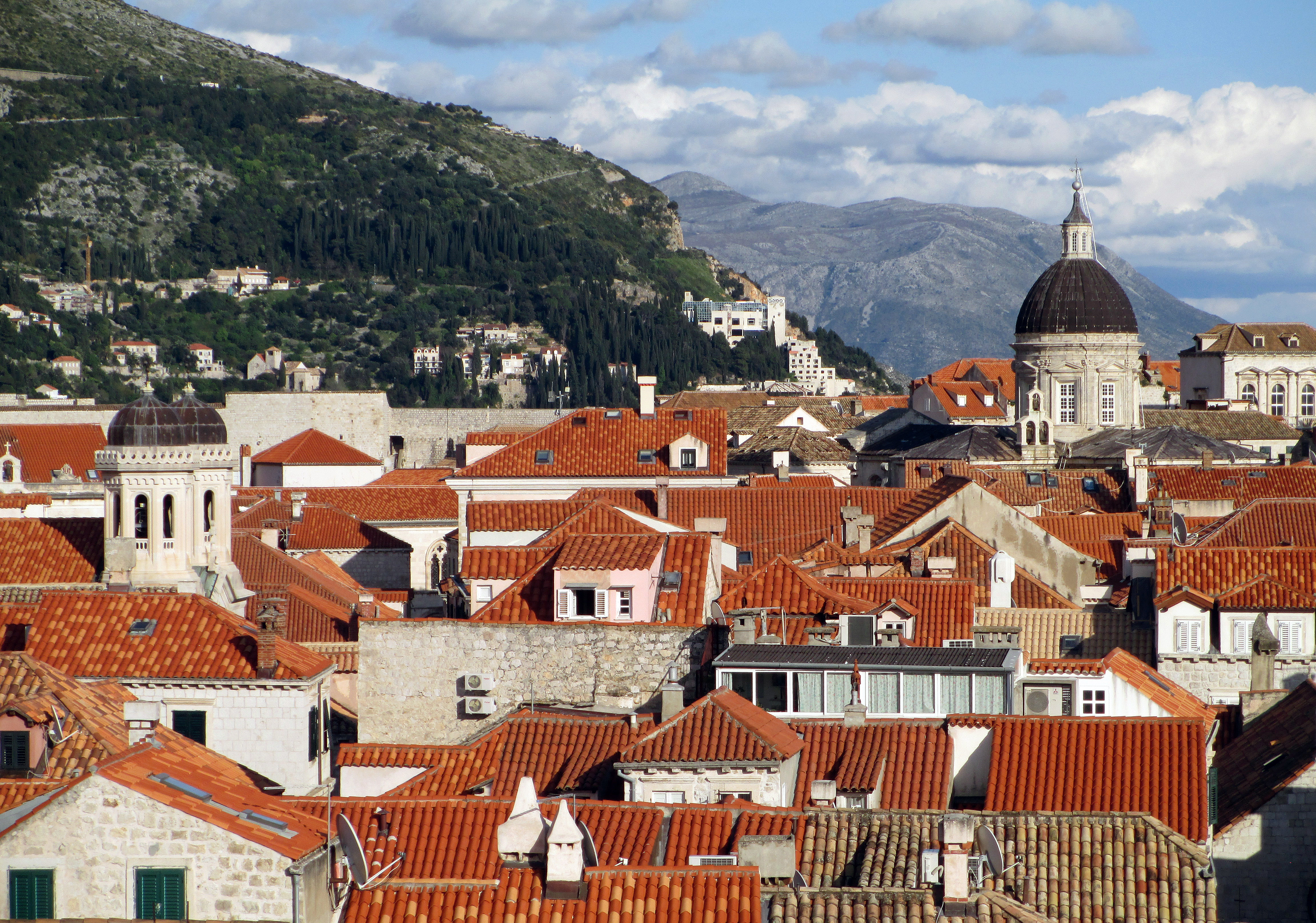
The Old Town is where most attractions are, a scenic little city centre enclosed by fortress walls and by the Adriatic sea, where you can lose yourself eating ice cream and drinking local white wine.

The city walls are a nice attraction: you can walk the length of the walls (about 2km), getting views from the Old Town, the coast, and the mountains. Breathtaking!

LOKRUM

The island of Lokrum is a national reserve which can be reached in 15 minutes by boat from Dubrovnik. Boats leave the small port in the Old Town every hour (more frequently during peak season) and a return ticket costs about £10.

There are many attractions in the island, including beaches and a botanic garden, but the main highlight is Fort Royal, located at a steep hill, which gives amazing views of Dubrovnik.There are lots of peacocks roaming around, and we were lucky to spot a beautiful hoopoe flying around.

A great little day trip!

FOOD

It’s easy to eat in Croatia as the food there is quite European.

The local wine is widely available and very good, I especially enjoyed sampling white wine as it was quite warm. There are lots of ice cream stands and you shouldn’t miss them, it’s always delicious.

The only vegetarian restaurant, Nishta, is at the heart of the Old Town and provides good food and a friendly service.

Mea Culpa is a nice pizzeria, and it was quite busy on a night where everywhere else was empty. We were sharing a pizza and it came helpfully cut in half. A pizza and two drinks cost around £18 including tip. The fact that ‘Stray Heart‘ was playing when we were there may or may not have influenced my opinion of the place.

HOW TO DO IT:

  • When to go: The high season (summer) is warmer, but we were told that Dubrovnik gets too packed in July-August, when most tourists and massive cruises arrive at the same time. We went mid-April, which was perfect: not too crowded but busy enough, with mild temperatures, but not beach weather yet.
  • Getting there: There are lots of flight from London, but most companies only go to Croatia during the high season (May to September). We went with Norwegian, as they had daily flights departing in April.
  • Stay: We stayed at Stella Jadre apartments, where we had our own kitchen and terrace. Jadre is a friendly hostess, keen to give directions and help out. The place is located just outside the Old Town, which is ideal. There are many other options available at Hostelworld.
  • Transport: There are plenty of public buses, ferries and taxis around, and it’s easy to get to places. Transfer from the airport in a shuttle bus costs 35 kunar (about £4), with scenic views all the way. Regional buses from the bus terminal are cheap and accessible, and a good way to see more of the region.
  • Money matters: £1 equals about 9 kunars. Croatia is cheaper than England, but not massively. Konsum is a local supermarket (omnipresent in the countries of the region) with good prices for those self-catering.

TRIP PLANNING: A WEEK IN EASTERN EUROPE

This trip has been in the cards for a while, but now we’re finally booking flights and accommodation.

THE ITINERARY:

There were lots of options, but we’ve decided to do the following:

  • Flying from London to Dubrovnik (Croatia): there we’ll spend a couple of days;
  • From Dubrovnik we’ll take a day trip to Montenegro, ideally to visit places like Kotor and Budva. Apparently tours can be easily booked when you’re in Croatia, but Amico Tours seems to be a good option if booking in advance.
  • From there we’re getting on a bus to Mostar (Bosnia). Until recently I didn’t even know this place existed, but now I’m obsessed!
Picture

The bridge in Mostar (Photo from Wikipedia)

  • From there we’re getting on a train to Sarajevo, which I’m really looking forward to.
  • Finally, another bus journey and we end our trip in Belgrade (Serbia), where we’re spending two days before coming back to London.

HOW TO DO IT:

Flights:
Many companies fly from London to Dubrovnik, including Norwegian, Easyjet and Monarch.
From Belgrade to London there are less options, Jat Air being the most frequent.Accommodation:
There are lots of options at very affordable prices. We booked everything from Hostelworld.Getting around:
This is the trickiest past of planning this trip as buses are not available for booking online, but timetables can be found in websites such as  www.libertasdubrovnik.com and www.centrolines.ba.
Forums suggest that this shouldn’t be a problem.

How long to go for:
We’re going for nine days in total, which fits well around work.

When to go:
We’re going in April when it should be warm but not too hot. High season is in the summer but temperatures can be too high, especially if travelling by bus.