GREEN TEA DESSERTS AND SUNNY PARKS: November in Tokyo

This was my third time in Japan, so I mostly spent my time exploring Tokyo at my own pace, visiting some of my favourite places and discovering new neighbourhoods.

Old favourites

I spent some time wandering around Ginza, Marunouchi and Shinbashi, which are always fun. I stopped at Nittele Tower to check out the clock designed by Hayao Miyazaki, which does a little presentation every couple of hours. And of course, I spent a good amount of time going around Tokyo Station, which is a destination in itself.

At the weekend, I visited Yoyogi Park and Meiji Jingu. When the weather is nice, you can join the locals, watch the Strangers dance and have a picnic outside.

Shibuya and Shinjuku were fun and lively as always.

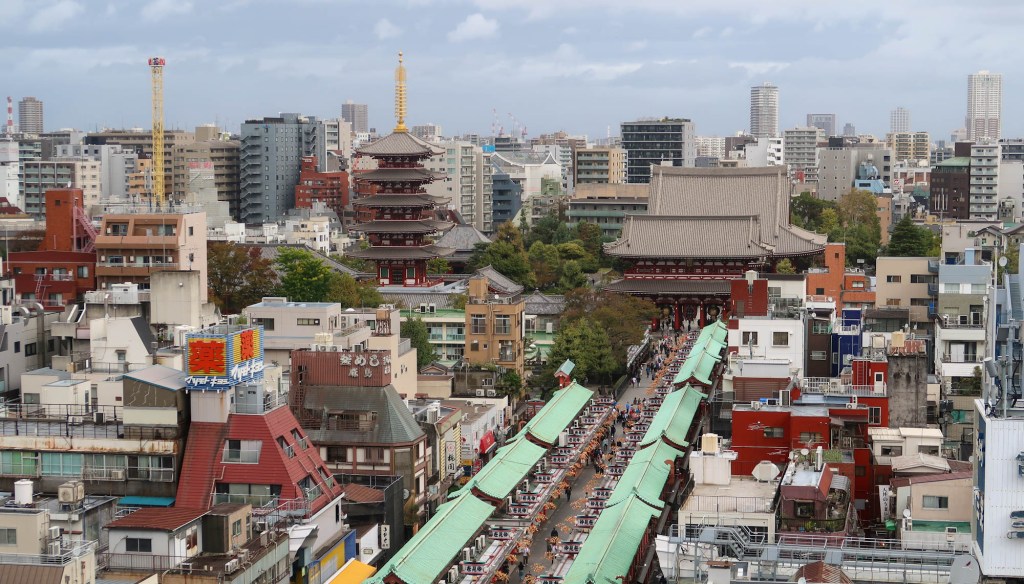
This was my first time staying around Asakusa, which was a good choice. You can visit Senso-ji early in the morning or after the crowds leave for the day. The area is also very well connected. I stopped by the Tourist Information Centre, where you can get rooftop views over Nakamise-dori and of Skytree across the Sumida River.

Nearby is Kappabashi with its neverending kitchen shops, and Kuramae, a neighbourhood full of independent shops and cafés, famous for its handicrafts since the Meiji period.

Discovering new areas

There are lots of neighbourhoods that I don’t know in Tokyo, so I decided to check some of them out:

  • Shibamata: a local neighbourhood with a famous temple. It’s a nice area to explore away from the crowds, and even though it’s not far from central Tokyo, it feels like a completely different place. 
  • Jimbosho: an area famous for its many bookshops. There are plenty of cafés inside bookshops, so I stopped at Book House Cafe for an iced latte. I’ve been reading books by Satoshi Yagisawa set in this area, so it was good to spend some time there.
  • Sugamo: also known as ‘Granny’s Harajuku’, this is a shopping street popular with the elderly. Great for buying tea and traditional sweets, as well as people-watching.
  • Sangenjaya: a cool neighbourhood full of interesting cafés and bars. You can get a view of Tokyo from the 26th floor of Carrot Tower, and find King Kong towering over a local building. 

Events

There’s always a festival going on in Japan. This time I checked out Tori no Ichi in Hanazono shrine in Shinjuku, where people queued up to buy decorated rakes to ensure luck in business. There were also plenty of food and drink stalls.

I also visited Tokyo Lights, an annual immersive event that showcases a competition in lighting projection. Tickets are free but must be booked in advance.

I usually check out what is on here, and there is always something interesting that fits my schedule.

Tasting all the Green Tea

I wanted to enjoy as many tea experiences as possible on this trip, so I visited traditional tea houses, dessert places and shops.

  • Tokyo Saryo is an exclusive tea experience, where you get to try two types of tea brewed in three different ways. They are only open on Saturdays, and you can book it here
  • Nakamura Tokichi: a high-end dessert place inside Ginza Six. I had the hojicha parfait which was wonderful. 
  • Shizu Kokoro: a tea experience in Asakusa, where Maki-san explains many aspects of the tea ceremony in a traditional tatami room.
  • Kyoto Saryo Suisen: a dessert place originally from Kyoto with a branch in Shinjuku. It is most famous for its warabi mochi, which is really delicious.
  • Nanaya Aoyama: a shop specialising in matcha ice cream and tea products. Great for stocking up on a variety of tea-related goods.
  • Jugetsudo: located on the 5th floor of the same building as Kabuki-za, this tea shop is a hidden gem. I didn’t get to try their matcha desserts, but I bought some green tea and enjoyed the rooftop garden.
Food and drink:

I mostly went back to places I liked, and of course, tried all the seasonal treats from the convenience stores. I enjoyed these places:

  • Pelican: this popular cafe serves the famous bread of the eponymous bakery. Worth a visit if you’re staying locally. 
  • Komeda Is: the vegan version of the coffee chain, serving a nice selection of kissaten basics.
  • T’s Tantan: an old favourite that never disappoints!
BUSTLING STREETS AND MOUNT FUJI IN THE DISTANCE: December in Japan

When I first visited Japan, five years ago, I didn’t realise it would take me so long to come back. But I finally did! I only had ten days to explore, which is not nearly enough, but it was wonderful wandering around Tokyo in the autumn sun.

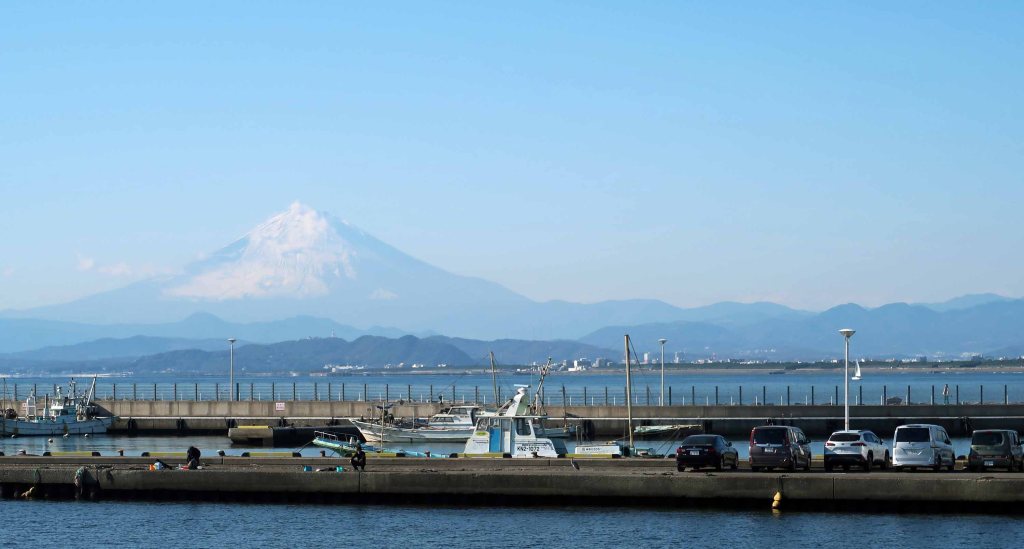
I visited some of my favourite places and discovered a few new ones. The beautiful days meant that I saw Mount Fuji in the distance time and again. I spent my time in busy cafés and quiet parks, huge shops with loud music and small trains with quiet people. Tokyo is a whole world.

What to see and do:

I explored some of my favourite neighbourhoods. Ginza and Nihonbashi were full of Christmas decorations. Harajuku and Omotesando were bustling with life as always. Ueno park looked picture-perfect on a sunny autumn day. Yanaka was great for exploring with its cute shops and fun cafés. 

In Shibuya, Christmas lights led to way to Yoyogi park. The Hikarie Hall is a good place to get views of the area, including the Scramble Crossing. It is free to visit, you just take a lift to the 11th floor.

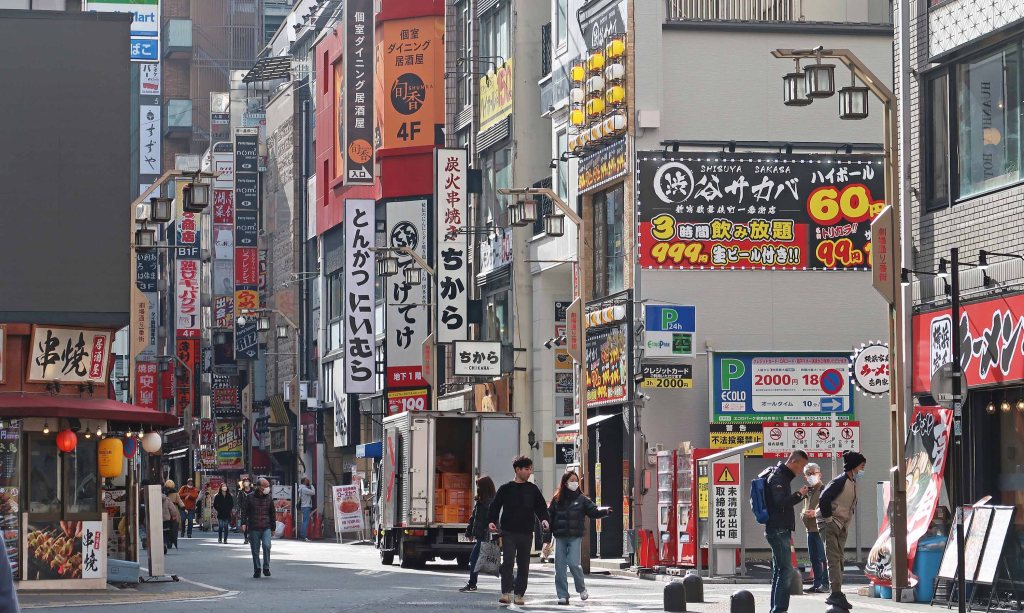
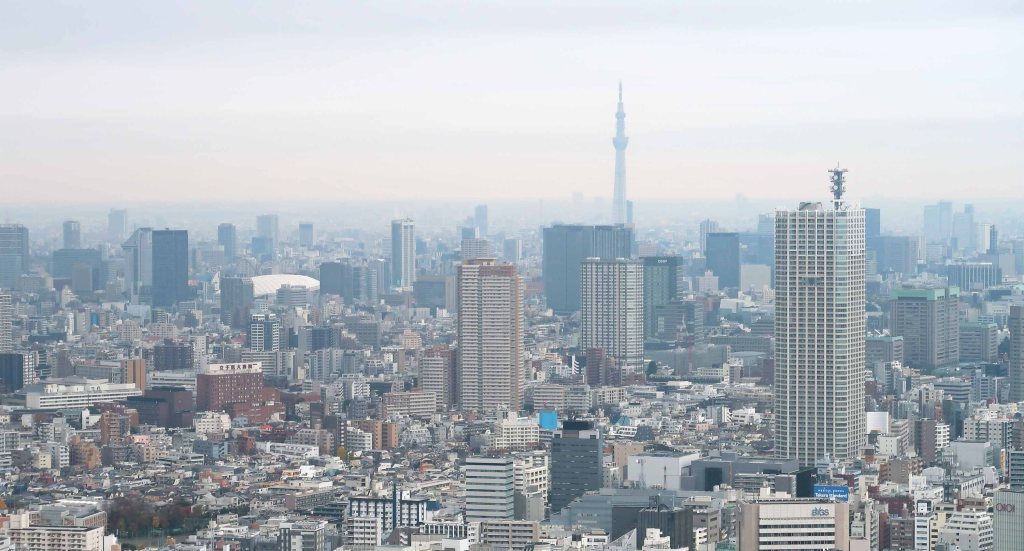
Godzilla continues to look over the narrow streets in Shinjuku. Nearby, Tokyo Metropolitan Building has amazing views over Tokyo, and it’s free to visit. On a sunny day you can spot Mount Fuji in the distance.

Shimokitazawa is another fun area to explore, with lots of vintage shops, as well as plenty of restaurants.

Daikanyama is a cool neighbourhood with plenty of interesting shops and cafés. There’s a large branch of Tsutaya bookshop that you can spend hours exploring even without knowing Japanese. In the same area is the Asakusa Residence, an example of historical architecture with an amazing garden.

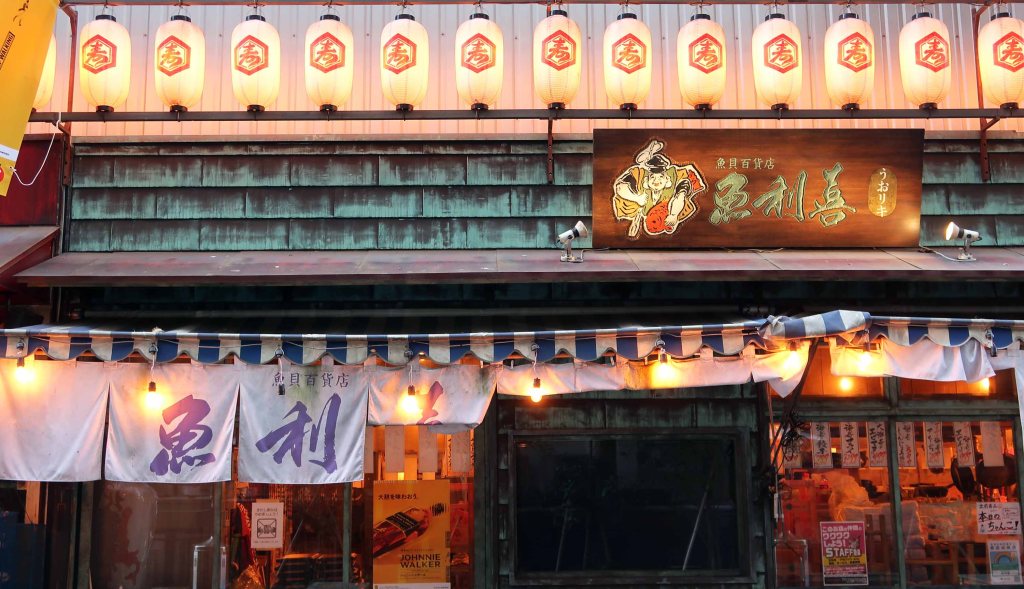
Although the famous fish market has moved to a new location, Tsukiji remains a great location to explore, with lots of stalls selling all sorts of food. It’s not particularly veggie-friendly (although there are a few options), but just taking in the atmosphere is great fun.

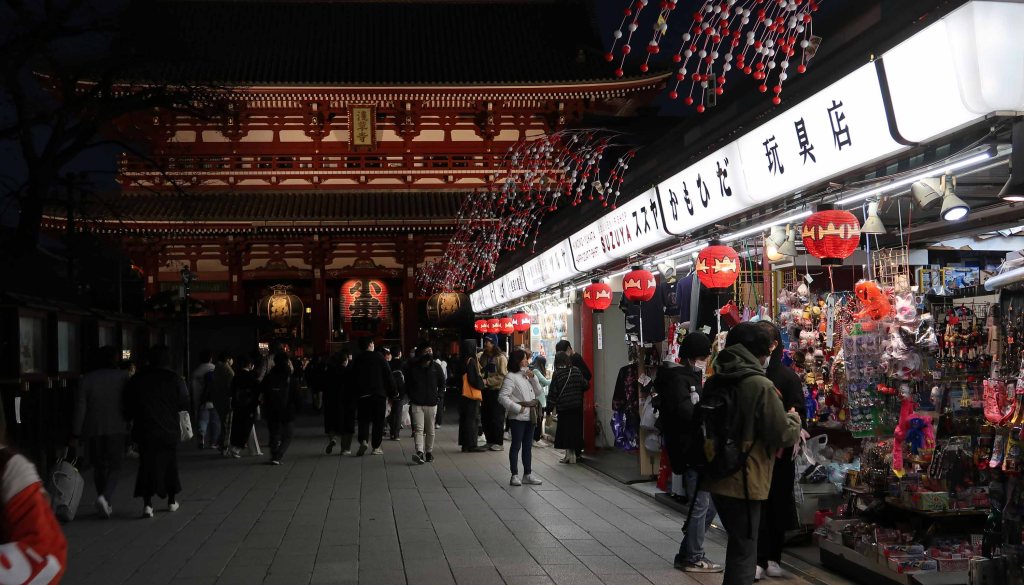
Asakusa always very busy with people shopping and eating treats on the way to Senso-ji temple. I like visiting in the evening when it’s quieter. Nearby, Kappabashi street has shop after shop of kitchen supplies, from famous Japanese knives to graters in every size and shape imaginable. 

I visited Setagaya Boroichi market, a large local market that has taken place for 400 years. Stalls sell all sorts of old and new items, as well as plenty of food and drink. Great for shopping as well as people watching.

Nearby is Komazawa, a peaceful local neighbourhood with a beautiful park that hosted some of the Olympic events in 1964.

You can carry on to Jiyugaoka, a cute area with interesting upmarket shops and restaurants. The area is known as Little Europe, and it even includes an inexplicable replica of a small Venetian canal. 

Tokyo Station is a whole city within itself, with enough shops and restaurants that you don’t even need to leave the station if you don’t want to. Character Street is full of shops selling toys and other stuff from every Japanese famous character. Nearby is Marunouchi, a beautiful area close to the Imperial Palace.

Yayoi Kusama Museum: a small but beautiful museum with plenty of amazing artworks. The bathrooms are an attraction in themselves, covered in polka dots as you’d expect in this setting. Tickets must be booked in advance.

Japanese gardens:

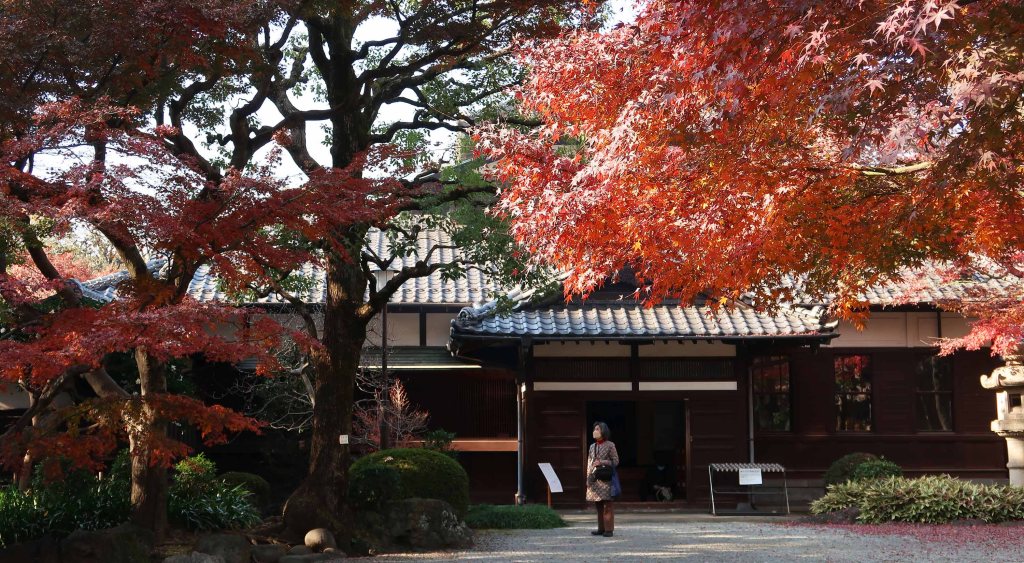
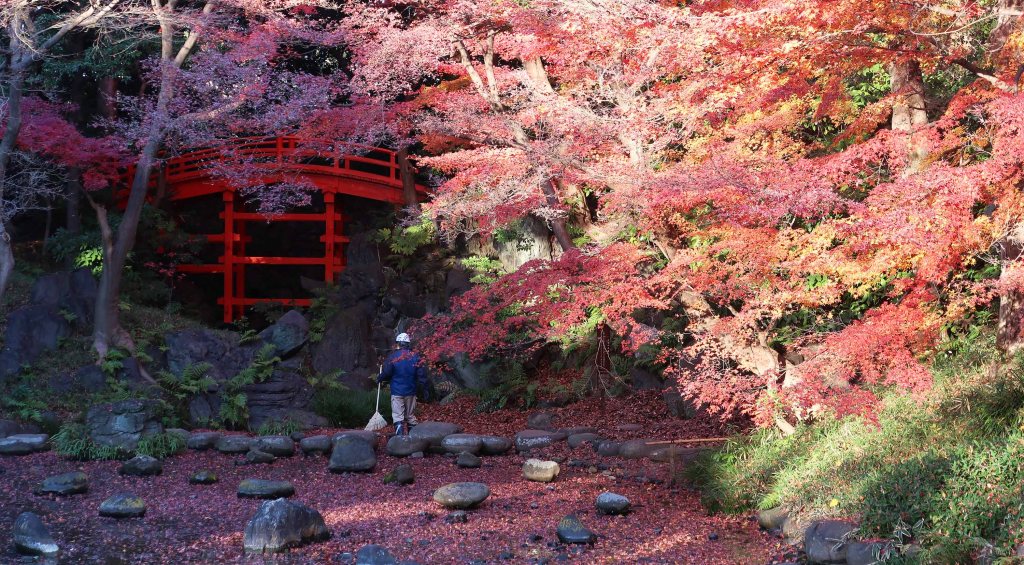
Koishikawa Korakuen: I had been to this garden before, but it was worth visiting again to view the autumn colours. Zen gardens are always a reminder of how Japan seamlessly connects old and new, and there’s nothing like an hour in a peaceful garden in the middle of Tokyo to remind one of this duality. Korakuen garden looks absolutely stunning in autumn, with trees in all shades of yellow to red.

Kiyosumi: this was the first Japanese garden I visited when I first came to Japan. It is a beautiful garden with lots of little details to take in. By the pond, you can spot a lone crane watching while ducks sleep in the sunshine. There is a monument to Basho, which reads:

‘The sound of a frog, jumping into an old pond’

Nowhere is a haiku more fitting.

Day trips:

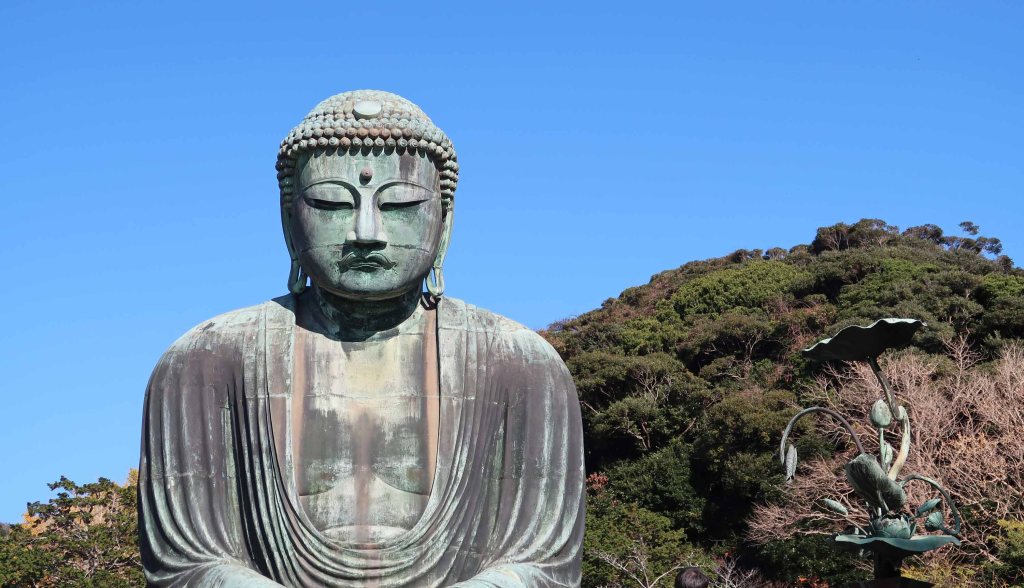
Kamakura and Enoshima: I had visited Kamakura before. It’s a nice town about one hour from Tokyo, and there are many interesting temples and shrines to explore. The Great Buddha is very impressive. Hasedera has amazing views of the sea, and the red shades of autumn made for a particularly memorable visit.

Enoshima is an island a short train ride away. You walk over the bridge to explore different locations in the island. The main draw are the amazing views of Mount Fuji, so going on a clear sunny day is ideal.

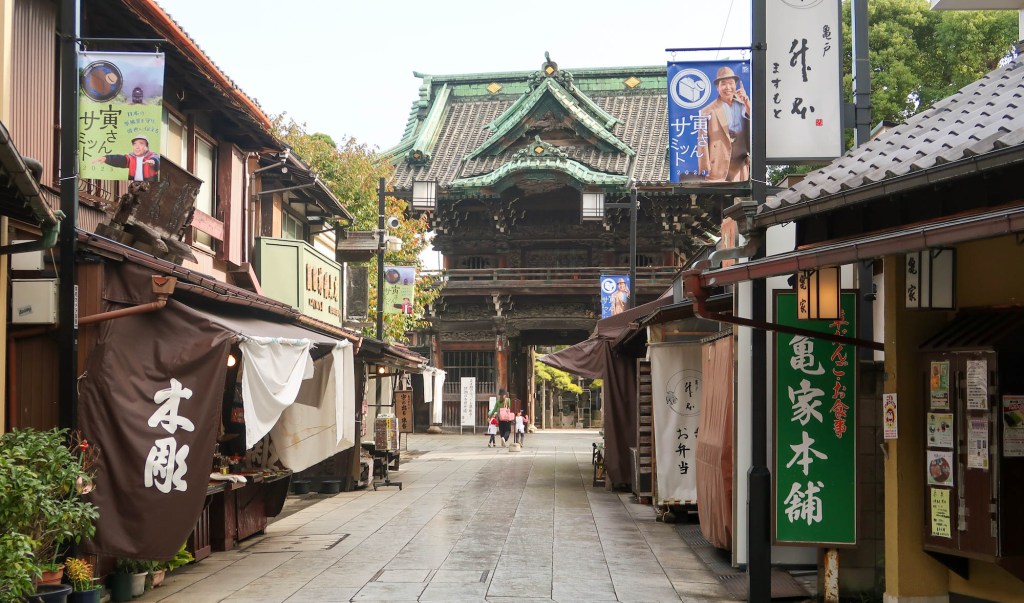
Kawagoe: Located about an hour from Tokyo, Kawagoe is known as Little Edo because of its traditional architecture. It’s a good place for a day trip, as there are lots of small shops selling traditional sweets, a famous bell tower and a couple of interesting shrines to explore. 

Food:

Vegetarian food is not the norm in Japan, but many chains will have an option. There are lots of cafés around, so stopping for a drink is always a good alternative for a quick break with something light to eat.

Conveninence stores are an attraction in themselves. There’s always one around the corner, with a never-ending supply of food and snacks at cheap prices. 

  • Ts Tantan: an old favourite, this is a popular vegan place with a few locations in Tokyo. It’s one of the best places for an easy vegan meal. It’s famous for its vegan ramen, but they also offer other options at their Jiyugaoka location.
  • Saryo Tsujiri, in one of the shopping centres around Tokyo Station is a great place to try matcha-based desserts. They serve amazing parfait in different styles accompanied by delicious houjicha. A perfect place for an indulgent break.
  • Aoyama Flower Market Tea House: a small chain with a few cafés serving delicious tea and desserts, all pretty as a picture. Their cafés are always decorated with seasonal flowers from their shops.
  • Shiro-Hige’s Cream Puff Factory: a cafe famous for its cute and delicious Totoro-shaped cream puffs. It gets busy, so it’s a good idea to arrive early.
  • Wired Bonbon: a cute cafe in Shinjuku serving a great selection of vegan parfait and other desserts.
  • Hoshino coffee: a chain that serves simple breakfast sets with their signature coffee.
  • Coco Ichibanya: a Japanese curry chain with clearly labelled vegan options.
  • Muji cafe: for those who love this minimalist shop, their cafes (located inside some of their larger outlets) are a nice place for a break, serving a small selection of dishes, including desserts.
  • Mos Burger: this fast food chain has a plant-based burger and a few other veggie options. It’s a good alternative for an easy meal and a break in exploring.

Shopping:

I visited some of the popular local shops, like Daiso, Tokyu Hands, Loft, Muji and Uniqlo, all of which have flagship stores with more floors than you’d ever need to see.

Sousou is a shop from Kyoto, but they also have a location in Tokyo. They have lots of colourful products, including clothes and tabi shoes.

Buying tax free in Japan is really easy, with larger stores actively promoting it. You need to spend over 5000 yen at once, and there are some eligibility criteria, but it usually works well. You need to present your passport.

How to do it:

  • When to visit: I went in early December. It’s a great time to visit as you still get the fall colours and the weather was very mild, with 15 degrees on sunny days. Every indoor place is very well heated, so it’s best to wear a light jacket.
  • Visit Japan Web: a new official app that helps make covid and immigration procedures easy when you arrive in Japan.
  • Stay: I stayed in Tosei Hotel Cocone Kanda, a comfortable place located close to Tokyo Station with plenty of convenient transport links.