EXPLORING GINZA AND THE IMPERIAL GARDENS: Tokyo diaries part 1

I spent lots of time in Tokyo, but the first area I discovered was around Ginza and Tokyo Station, as that’s where my first hotel was.

tokyo 076_small

GINZA AND NIHONBASHI

On my first day in Tokyo, I headed to Ginza, an area full of major retailers. It’s a good area to visit, as it’s full of flagship stores and bustling with people. Nearby Nihonbashi is equally impressive. Even if you don’t like shopping, it’s interesting with lots of flagship stores.

I visited Uniqlo (spread over 13 floors!), Muji, Mitsukoshi (a famous department store) and G. Itoya (a great stationary shop). Shops around Ginza often cover many floors and have anything you need (and even more that you don’t).

Ginza is considered to be a more Western part of Tokyo, with its ample avenues. To me it’s still very much Japan, completely OTT, but a bit less hectic than Shibuya or Shinjuku.

tokyo 028

TOKYO STATION

Tokyo Station is massive and manic, and it has lots of shops and restaurants around and inside it. It’s a useful place to visit for tickets and to get information, but it’s also an interesting stop itself.

Inside the station there’s T’s Tantan, a vegan favourite as it serves ramen (which is rarely vegan-friendly). The food was really delicious and definitely worth a visit (lunch for two including drinks for Y3000). The restaurant is located inside the JR barriers at Keiyo Street, so you need a valid ticket to get in.

Just outside Tokyo Station is Hitachino Brewing Lab, a nice bar serving Hitachino beer. You can try one of their nice beers for around Y700, or sample a float of three for Y980.

tokyo 043

IMPERIAL GARDENS

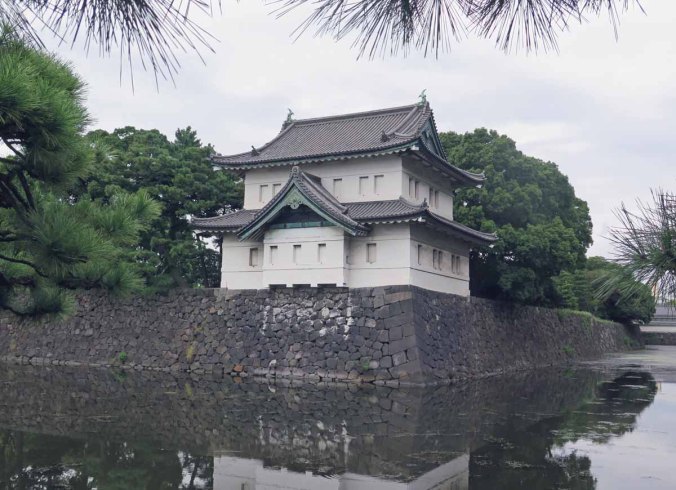
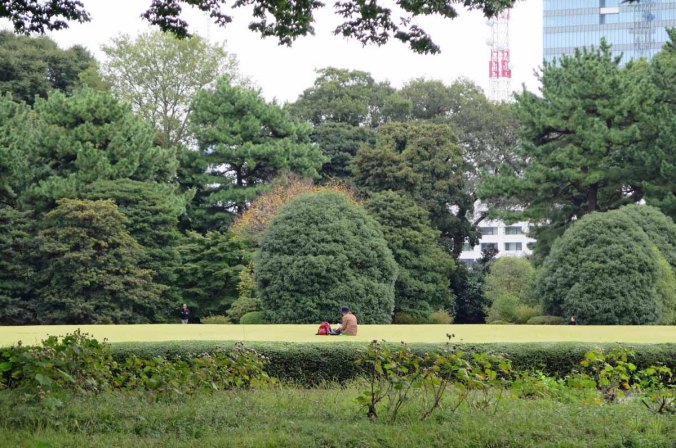
After many days of rain there was finally a break, so we went to the Imperial Gardens (free to visit). It is one of the largest green areas in central Tokyo, and a good place to spend a few hours. There are ample green areas, an orchard, and many historical buildings which used to serve as lookout posts.
tokyo 001

tokyo 046

MOMAT

Tokyo’s Museum of Modern Art is behind the Imperial Gardens. The place hosts many different exhibitions and you can buy different tickets – we visited the permanent collection for Y500. It is a great museum with lots of interesting artworks by Japanese artists, so definitely worth a visit to get to know their work.

tokyo 047

KABUKI THEATRE

One of those things you think about doing before you go to Japan is seeing some Kabuki, and it was actually quite easy to do. Kabuki-za is a famous theatre in Ginza, and it has performances every day.

You can buy tickets on the day for a single act (the whole thing lasts four hours, so an hour-long act is enough). You join the queue about 1h30 before it starts and you get a ticket for Y1000 to Y1600 depending on the performance. You can rent an audio guide to translate it, but they also give you a written summary before it starts (all the details are on this website, look for the single act instructions).

tokyo 048

We went late one afternoon and it was a great experience. The theatre looks amazing and brand new, and the set and costumes are perfect – I don’t think I’ve seen this level of care in a production before.

The plays are quite old-fashioned – it’s all funny expressions and funny lines (I gather), so you only need to try it once!
HUGE BUDDHAS AND CUTE STREETS: Day trip to Kamakura and Yokohama

kamakura 11

I decided to take a day trip to Kamakura, which is not very far from Tokyo.

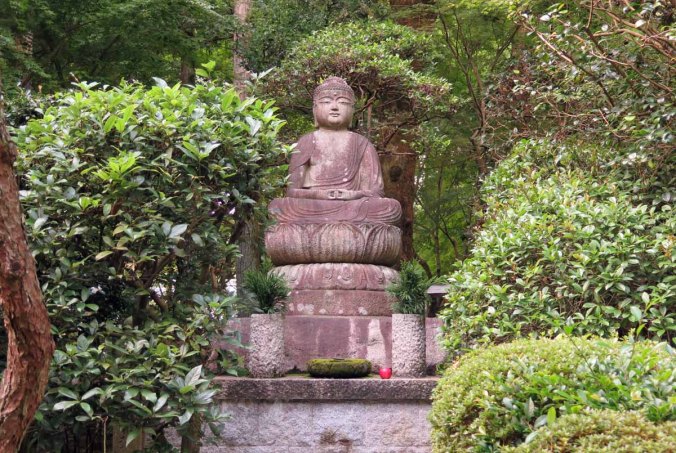
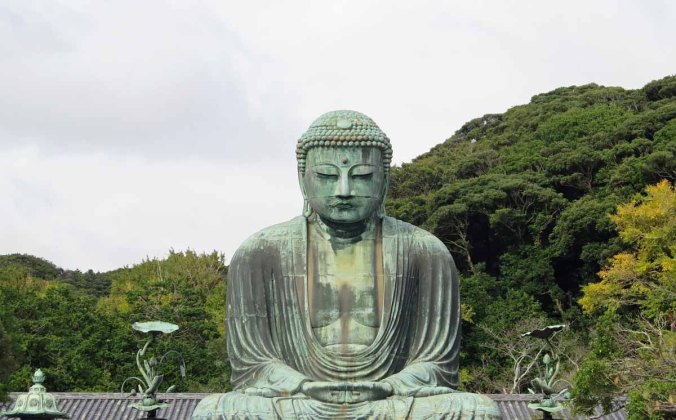
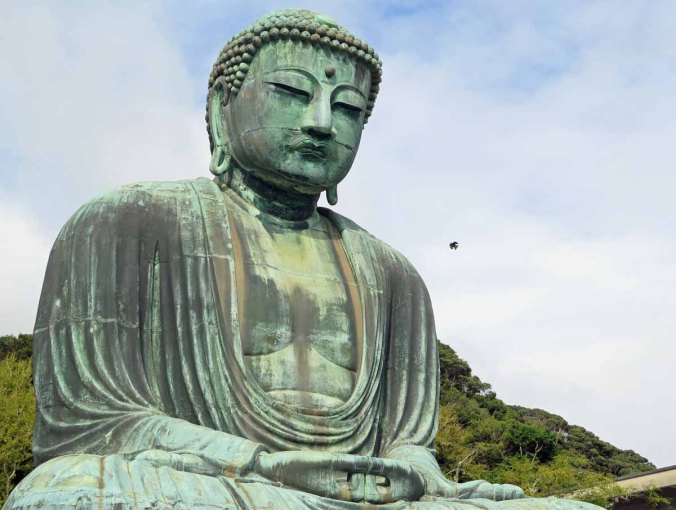
The main draw of Kamakura is the Great Buddha statue (tickets Y200), which really is huge and impressive.

kamakura 10

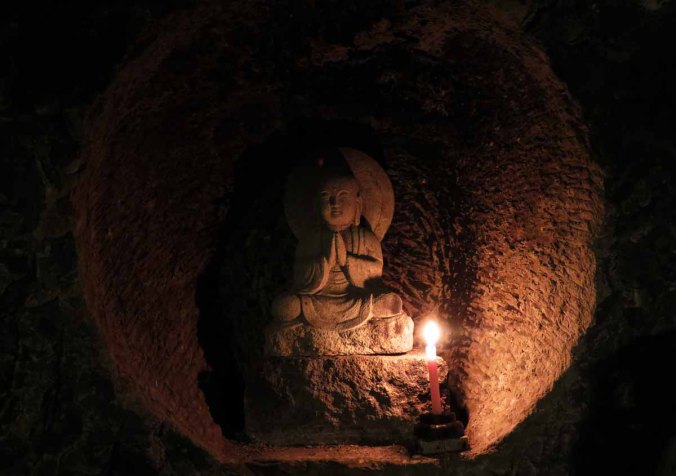
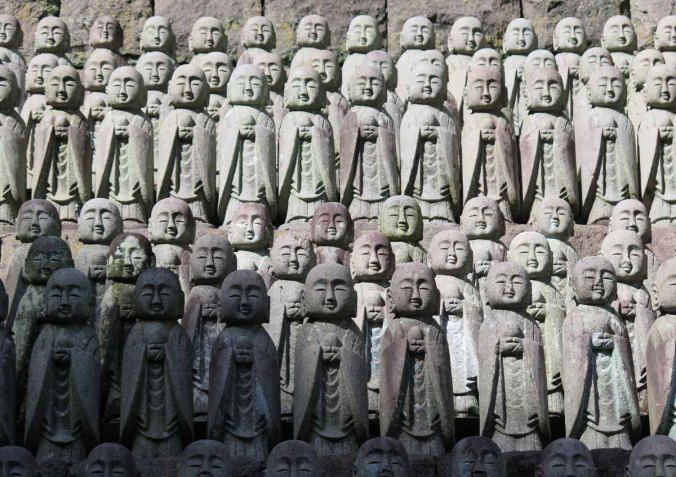
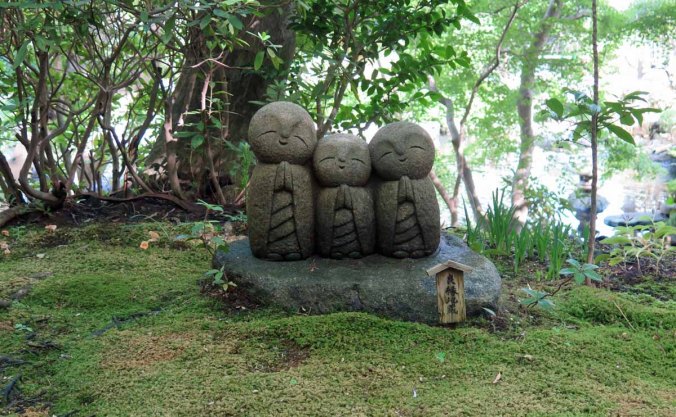
Nearby is Hasedera temple (tickets Y300), a beautiful temple with lots of things to see: there’s a great garden, lots of little Buddha statues and caves with wall carvings.

kamakura 07

kamakura 06

kamakura 04

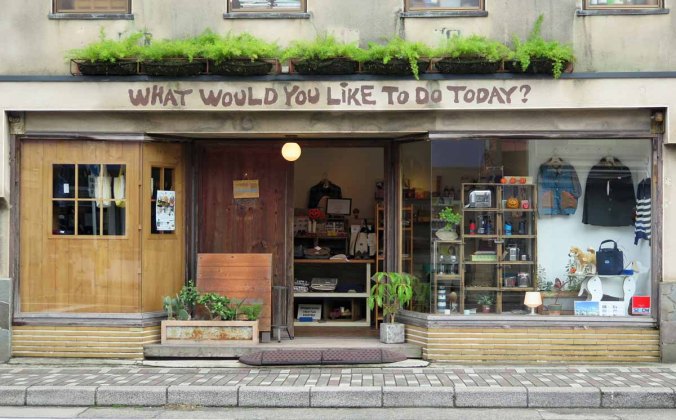
Kamakura is a great place to visit, as aside from the temples there are lots of cool shops and cafes, and the town centre is really cute.

kamakura 12

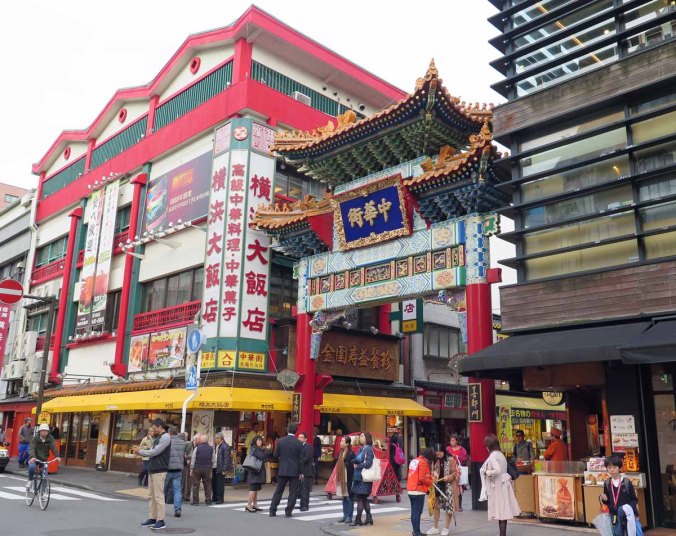
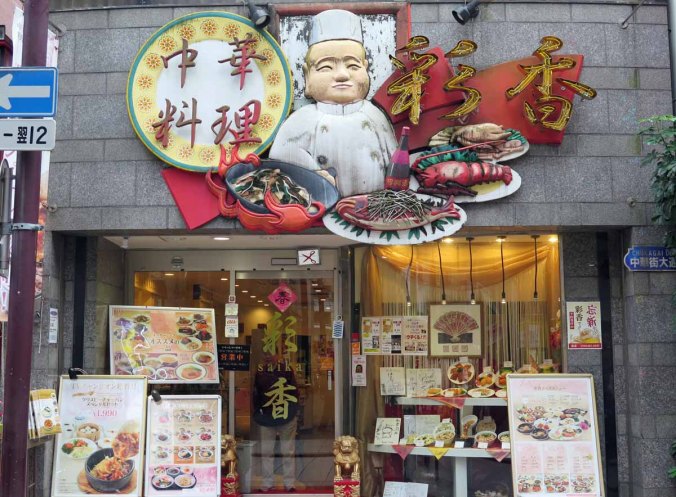
Nearby is Yokohama, so you can visit both on the same day. Yokohama has a famous Chinatown, so I went to check it out. There are lots of food and souvenir shops as you’d expect from any Chinatown, but what really struck me was how nice and tidy it was – definitely the neatest Chinatown I’ve seen!

kamakura 13

kamakura 14

Yokohama also has the Red Brick Warehouse, a historical building which was made into a shopping centre – but a nice one, with independent shops and plenty of cafes and restaurants.

This is a good option for a day trip not far from Tokyo.

kamakura 01

GETTING THERE:

Kamakura is served by a JR line from Shinjuku. The trip takes about 1h20. Once there, everything is within walking distance.

Yokohama is also on the JR line, and the best stations near the city centre are on the Negishi line. It is about 30min from Kamakura and 50min from Shinjuku. Tickets from Tokyo are cheap (Y800 – Y1000, or free with a JR pass).

kamakura 02

kamakura 03

kamakura 08

ZEN IN THE CITY: My experience meditating in Japan

kyoto 109

Before I went to Japan I knew I wanted to do zen meditation, so I did some research to find some alternatives. There weren’t that many options for tourists, but I did find some, mostly in Kyoto.

kyoto 033

The three experiences I had were all different and each of them were good in their own way: I learnt a lot about zazen and how to incorporate some of the practices in my routine.

kyoto 045

kyoto 014

SHOURINJI:

The first zazen session I attended was at Shourinji. Bizarrely, I got bitten by a scary mukade centipede not long before I was due to get there, but I thought the meditation could help calm me down (it did). The session was all in Japanese but you get a handout in English explaining everything.

kyoto 043

It was a good session and the place was packed (there were maybe 50 people there). As is usual in these sessions, you meditate 15 minutes twice, and that is followed by a dharma talk and some green tea.

This temple is located close to some other sights, so it’s a good one to go to. You just need to email them in advance to check their availability and pay Y1000 on arrival (a cheaper fee than the other sessions I attended).

kyoto 111

SHUNKOIN

I’d been following Shunkoin’s website for months before going to Japan, and it was the top place I wanted to visit for zazen. They run sessions for 1h30 almost daily, including a tour of the temple grounds and tea afterwards (you pay Y2500).

kyoto 105

The best thing about it is that Rev. Takafumi Kawakami not only gives a dharma talk in English, but also he translates the concepts and the practice of zazen into Western concepts, making it really relevant to the audience.

kyoto 031

When I visited he spoke at length about the concept of homoeostasis and how it prevents people from breaking their preconceptions (for instance, even after he said you don’t need to be cross-legged for zazen, most people still chose to sit like that, because it complies with the image they have of meditation).

He also talked about the difficulties everyone has in concentrating and related that to big data – I might well have found my guru!

kyoto 046

NANYOJI

My last zazen session was at Nanyoji, which I found through this website. The zen master Rev. Keiho Nishigaki agreed to pick me up at Hyoruji station (close to Nara) and drove me to his temple. There were four other people there, all of them locals who come for the zazen most Saturday evenings.

kyoto 089

He explained all the formalities to me in English before we started. After the session, we had tea and biscuits and he drove me back to the station (with some more biscuits to take with me).

kyoto 044

This was the most authentic experience I had with zazen, as it was clearly a temple for locals, most of them rice farmers. It was great to learn more about the formal aspects of zazen (such as the greetings and how to get on and off the tatami). It was also great to be welcomed in a temple that is not there just for tourists.

To book, you need to email in advance. The suggested donation is Y3000 and that also includes some Soto Zen books.

kyoto 050

When I spend a good amount of time in a place I like to experience something local, and zazen is definitely something to try in Japan, as you get to see temples in a completely different way.

kyoto 042


FRIENDLY DEER AND PEACEFUL PAGODAS: 3 days in Nara

kyoto 072

Most people visit Nara on a day trip from Kyoto, but I decided to take it slow and spend a couple of nights there.

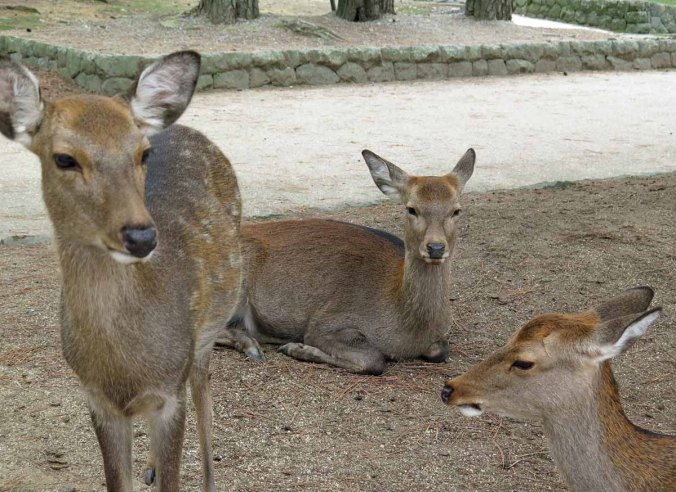
Nara is most famous for its park where deer spend the days lounging about by the temples and being fed by tourists.

kyoto 076

kyoto 075

NARA PARK

Nara Park is the city’s main draw, and where you can spot and feed deer. They are literally everywhere and get very friendly with the tourists – they even know to bow to ask for deer cookies. If you go early you can avoid the crowds and make friends with the deer all by yourself.

kyoto 064

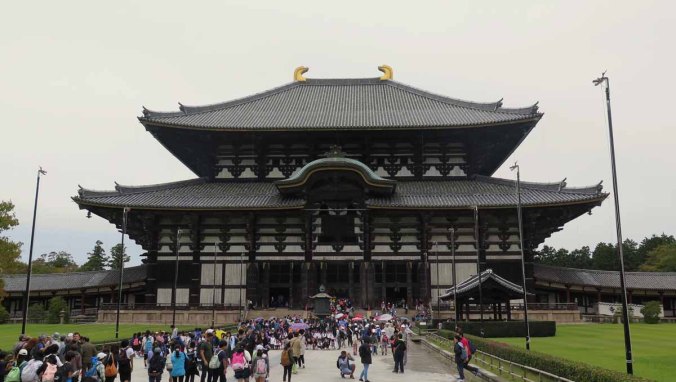
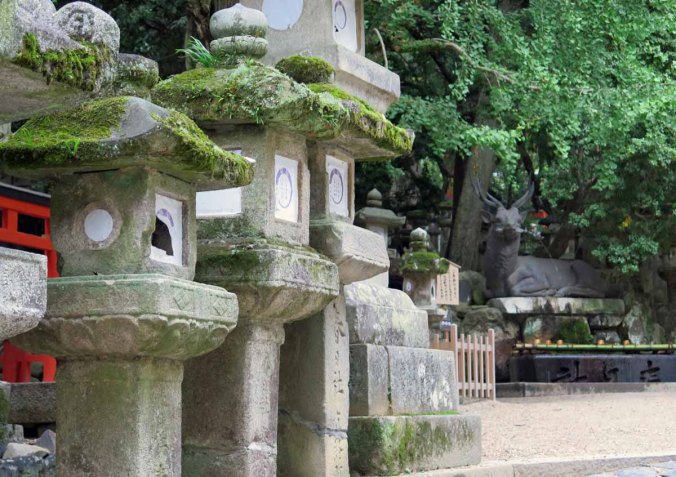
Inside the park there are also some really cool temples and shrines. Kasugataisha (tickets Y500) is filled with lanterns in all colours and shapes, and Todai-ji (tickets Y500) is the world’s largest wooden structure and home to an amazing and huge Buddha statue.

kyoto 068

kyoto 070

kyoto 074

kyoto 073

TOWN CENTRE

Nara’s centre is full of narrow streets with little shops and cafes, and it looks picture-perfect. There are tons of deer-themed souvenirs (as Japan really knows how to market everything) as well as a disproportionate amount of cat-related stuff (Nara has its own ‘cat district’).

kyoto 078

kyoto 077

OTHER TEMPLES

A bit far from the town centre there are a few other temples to visit in Nara.

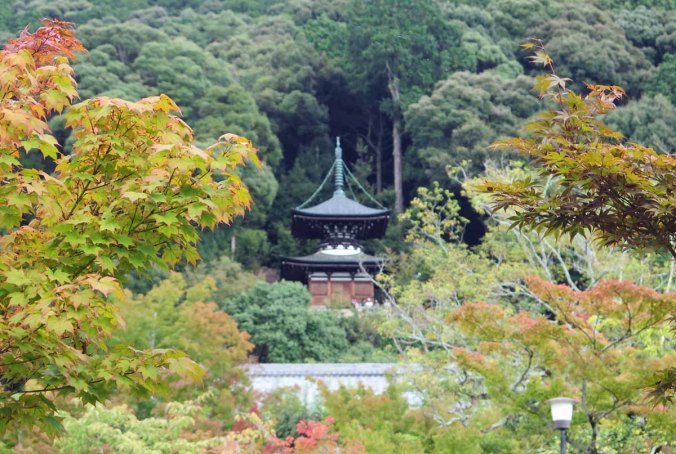
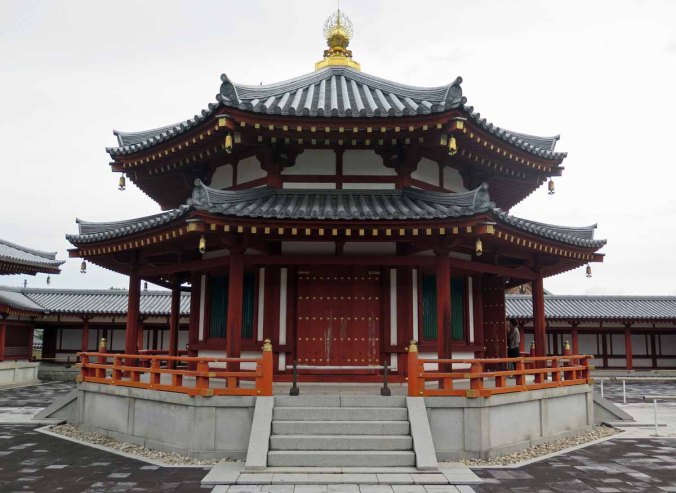
Yakushi-ji (tickets Y1100) is an impressive complex with lots of different buildings and a colourful pagoda (there are two, but one was being restored when I visited). Nearby is Toshodori-ji (tickets Y600), another large temple with a nice garden.

kyoto 081

kyoto 079

A bit further is Horyuji (tickets Y1500, depending on what you visit), another large temple complex with lots to explore.

The best thing about these is that the distance from Nara’s centre means that there’s hardly anyone else there.

kyoto 082

You can reach these temples by bus (a map with all the details is available at the Information Centre, Google Maps is not there yet), so it’s not difficult to get to them.

HOW TO DO IT:

  • GO: Nara can be easily reached by train from Kyoto (45min on the JR line, 30 on the Kintetsu line – although the latter is not included in the JR pass). You can definitely see the main highlights in a day, but if you have more time you get to explore with ease and escape the crowds.
  • STAY: I stayed at Route 53 Guest House which was a good budget option at a great location. Nara is cheaper than Kyoto and quite small, so it’s not very difficult to find good accommodation.

kyoto 063

kyoto 066

kyoto 067

kyoto 071

10,000 RED GATES AND MAGICAL TEMPLES: 4 days in Kyoto

kyoto 091

Kyoto is famous for its temples, but nothing prepares you to the scale of it. There are temples all over the city, and it’s hard to decide which to visit.

I bookmarked the main sites in Google Maps and started exploring from the southeast.

kyoto 011

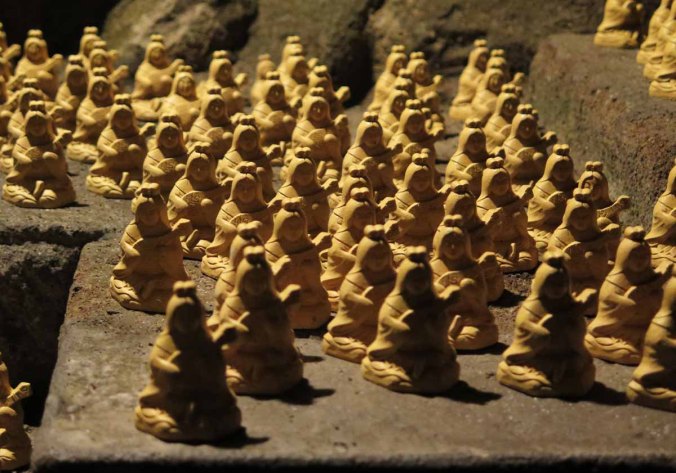
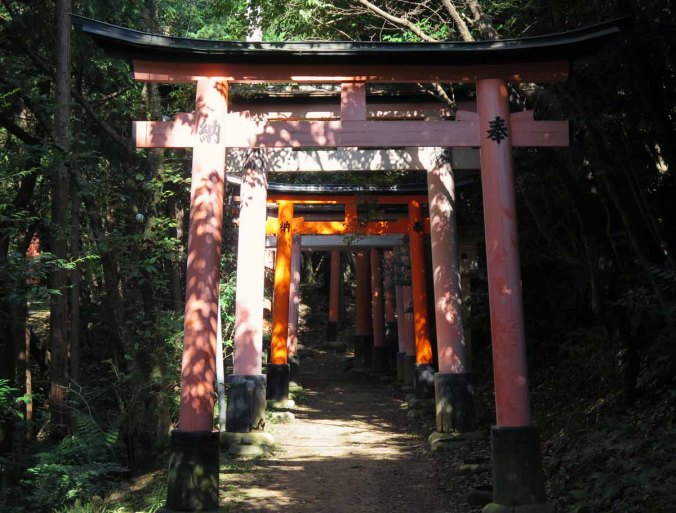
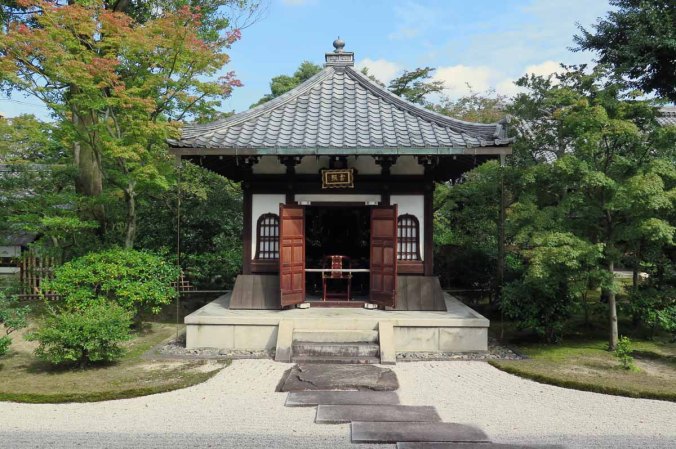
Every temple is different: Sanjusangendo has 1,000 golden Buddhas, Kiyomizu-dera has great views, Fushimi Inari Taisha has 10,000 tori gates going all the way up the mountain.

kyoto 003

But they’re all great, so whichever you choose to visit would be fine. The temples are such a big part of Kyoto that you really can’t walk more than 5 minutes without spotting a shrine somewhere.

The most popular temples can get quite crowded, especially on weekends, so it’s good to visit on weekdays or early in the morning. Some temples are free to visit while others charge an entrance free (usually Y400-600), but it’s always worth the price. The only thing is that it does add up when you’re visiting many temples in one day.

kyoto 113

kyoto 096

kyoto 002

It’s tricky to decide where to go, but these were some of my favourites:

Sanjusangendo with its golden Buddhas.

kyoto 083

Zenrinji which is the most magical place, with free green tea and lovely gardens.

From there you can follow the Philosopher’s Path, a quiet walkway by a canal where cats hang out, artists sell their watercolours and carps swim nearby.

The path takes you to Ginkakuji, a temple with beautiful gardens.

kyoto 034

kyoto 035

kyoto 036

kyoto 037

kyoto 038

kyoto 039

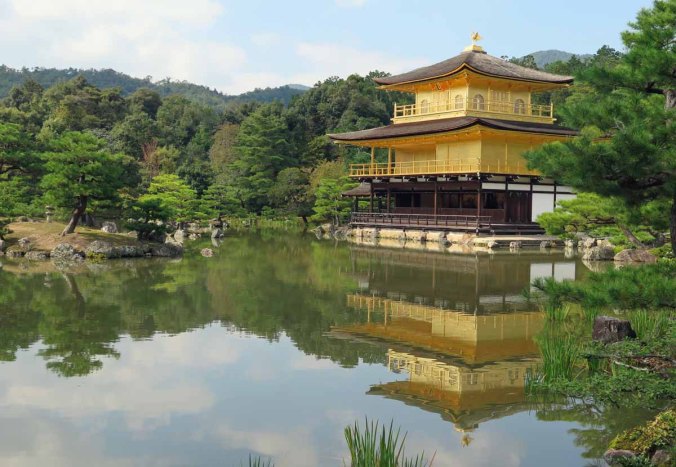
Kinkakuji with its golden pagoda.

kyoto 049

kyoto 048

Fushimi Inari Taisha with its endless tori gates. It get really crowded, but if you take the time to climb all the way up Mount Inari over a couple of hours it’s pretty quiet at the top.

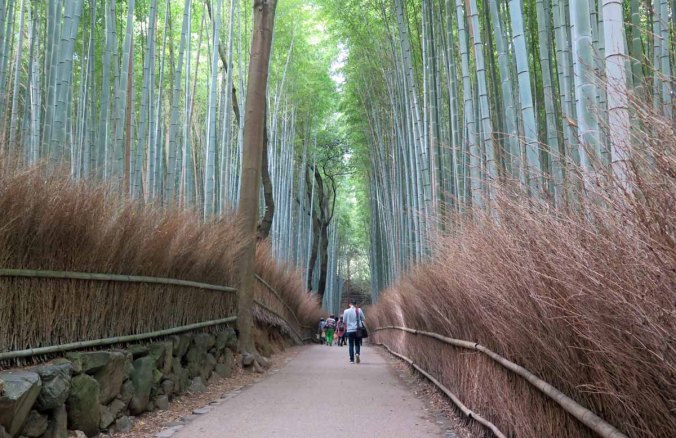
Off the main path you can also find an amazing bamboo forest – which was completely empty when we visited.

kyoto 097

kyoto 098

kyoto 099

kyoto 100

kyoto 101

kyoto 102

kyoto 103

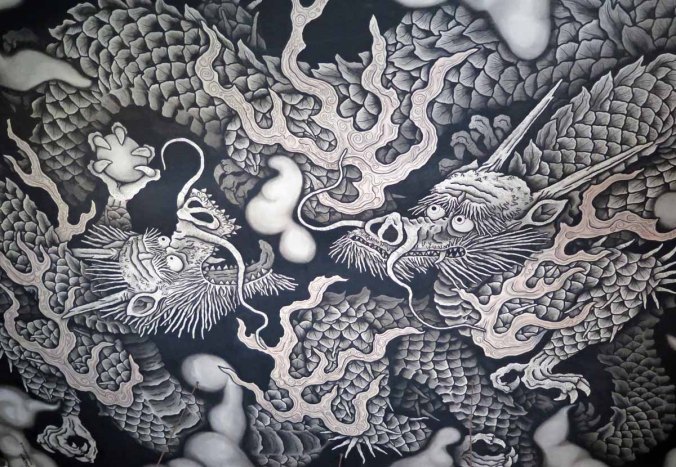
Kenninji with its twin dragons and quiet zen garden.

kyoto 028

KYOTO BACKSTREETS

Kyoto also has lots of little backstreets with traditional-looking buildings.

kyoto 085

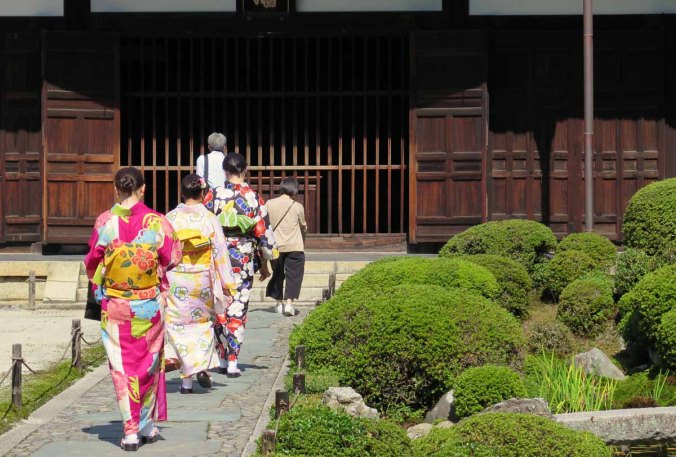
In Eastern Kyoto you can find Ninenzaka, a pedestrianised area full of little shops selling handicraft (for which Kyoto is famous) and local delicacies. This is also where you can rent a kimono and pretend to be a geisha for the day. It’s a busy area but a cool place to visit.

kyoto 009

kyoto 090

kyoto 086

One of the cute cafes around there is the Hello Kitty Cafe, where you can sit down with Hello Kitty herself and enjoy a ridiculous ice cream sundae (Y1030).

kyoto 021

Elsewhere, Gion corner and Pontocho are also full of cafes and bars that look authentic and cool.

kyoto 026

kyoto 020

NISHIKI MARKET

Right in the centre of Kyoto is Nishiki Market, a traditional market selling all sorts of Japanese food. Although not particularly veggie-friendly, it is a great place to visit to take in the atmosphere and spot local delicacy.

kyoto 052

Around the market there are also lots of other shopping streets selling souvenirs and Japanese handicraft.

Alternatively, Sanjo-Kai Shotengai is another nice market, located close to Nijo Castle (and mush less crowded).

kyoto 027

ARASHIYAMA BAMBOO GROVE

I headed to Arashiyama early to try and avoid the crowds. The area is famous for its bamboo forest, but it’s also a nice place to wander around as there are lots of cute shops and the Tenriji Temple.

kyoto 057

kyoto 056

The bamboo groves are really impressive and unlike any forest I’d seen before. You can spend some time taking photos and just taking in the atmosphere – it’s definitely quieter than most other places in Kyoto!

kyoto 055

FOREVER MUSEUM OF CONTEMPORARY ART

I’m a big fan of Yayoi Kusama, so I was happy to discover there was an exhibition of her artwork in Kyoto. The Forever Museum of Contemporary Art (tickets Y1200) is located in East Kyoto close to some of the main temples in the area. The museum has five large exhibition rooms and they had lots of Yayoi Kusama’s work on display, which was a great opportunity to see some of her work in Japan.

kyoto 029

HOW TO DO IT:

STAY: I stayed at this Airbnb which was really good. Kyoto is not as expensive as Tokyo and there are plenty of options.

kyoto 106

GO: Most people go to Kyoto via bullet train, and that’s what I did. The service from Tokyo is regular and takes a bit under 3h. Plus it’s definitely something to experience in Japan!

kyoto 025

TRANSPORTATION: Kyoto has great transportation links and it’s fairly easy to navigate the system with Google Maps. You can use an IC card (their equivalent to an oyster card) on most transportation. Urban trains are often JR-operated so are free with a JR pass. Especially in Eastern Kyoto, many of the temples are within walking distance.

kyoto 013

VISITING TEMPLES: The main draw to Kyoto are the temples, but there are so many it’s hard to choose which to visit. I went to lots of them, and from my experience all the larger temples are worth a visit, so in a way it doesn’t really matter which you choose – they’re all different and each has something special to offer.

kyoto 004

WHEN TO GO: I visited in October for four days, but you can easily spend a week there. At times it was still really hot at 30 degrees, which made all the walking a bit difficult. Some of the main temples (such as Fushimi Inari Taisha) get really (really) crowded at weekends, so visit early on a weekday – but the main sights are always busy, so you never get the place to yourself.

Checking out some temples off the beaten path is a good way of enjoying them with a bit more time and space.

kyoto 093

SHOPPING: Kyoto is famous for handicraft, and there are tons of shopping areas in the city centre selling yukatas, furoshiki, Japanese dolls and lots more. Prices tend to be good, but often vary from place to place.

Most temples also have little shops selling souvenirs and amulets. There are usually labels in English to indicate if something should be used as an offering only or if you can take it home with you.

kyoto 018

FOOD: Kyoto has a good amount of veggie places. The area around Nishiki market is full of options – we visited Cafe Matsuontoko which served delicious vegan burgers (meal for two including drinks for Y3000).

kyoto 012

kyoto 010

kyoto 008

kyoto 006

kyoto 084

kyoto 051

kyoto 054


CENTRAL AND EASTERN EUROPE BY TRAIN: How to plan your itinerary

germany 16

It’s very easy and convenient to travel around Central and Eastern Europe by train. The distances are generally not very big and the trains are good and run on time.

Itinerary planning:

We visited Munich, Prague, Brno, Vienna and Budapest. All of them were easy to reach and had good connections.

Another alternative would be to head towards Poland instead, or start out in Romania.

czech republic 06

Booking tickets:

As ever, Seat 61 had all the best tips for booking everything online. The booking process in the various sites was easy and tickets very cheap – the key thing for international trips from Germany is to buy the ticket from the website of the other country you’re visiting: for instance, tickets for the same train from Munich to Prague were much more expensive on Bahn.de than via the Czech website.

czech republic 14

Roadworks:

A few weeks before our trip, I got an email informing of changes to train times and taking a bus replacement for one of the legs of our trip. The email was in Czech, but other than that things went as planned and we didn’t have any issues.

germany 20

On the trains:

All the trains we took were punctual, well-equipped and generally very good. Express trains usually had a good cafe on board and served a good range of snacks and drinks.

COOL BARS AND STREET ART: Yet another break in Budapest

hungary 07

This was my fourth time in Budapest and the city never disappoints!

After dropping our bags in our flat, we headed out for a late lunch. The area around Lizst Ferenc Ter has lots of cools places, but we stopped at Menza, an old favourite (lunch for three including drinks and tip for 12000 HUF).

hungary 01

We then explored the area around Andrassy Utca and Kiraly Utca, stopping at the Opera House and checking out the many cool bars around before heading back to our flat for the evening.

In the morning we visited the Central Market Hall. There you can buy local produce, souvenirs and paprika in all its forms. It’s a great place to visit and to stock up if you’re self-catering.

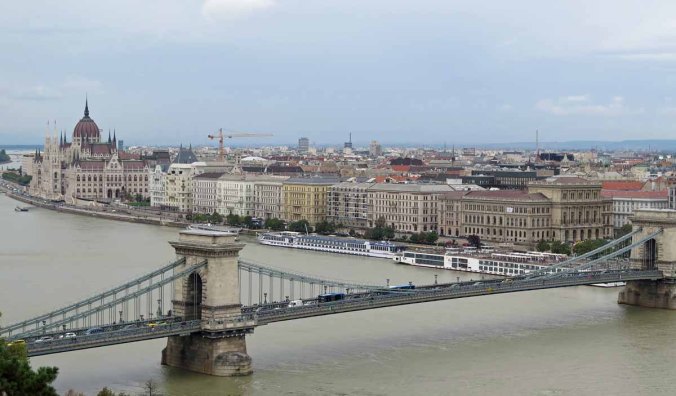
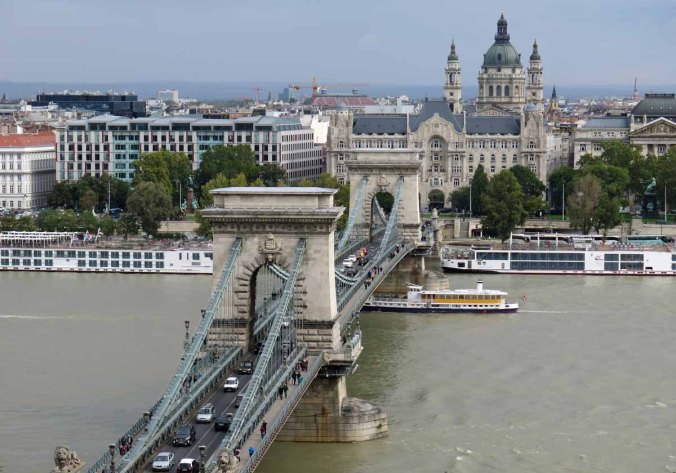
We then took the bus to the other side of the river to explore the area around Buda Castle and the citadel for a bit, although it was cold and a bit rainy.

hungary 04

hungary 03

hungary 02

We had lunch at the beautiful Mazel Tov (lunch for four including drinks and tip for 12000 HUF). They serve lots of yummy Middle Eastern food with plenty of veggie options.

In the evening we stopped at Szimpla, the most famous of Budapest’s ruin bars for a drink (drinks for four for 3500 HUF) before going home to cook the food we’d bought at the market earlier in the day.

hungary 09

Thermal baths are very popular in Budapest, and as usual we headed to Szechenyi. This is a massive complex of indoor and outdoor thermal pools, and a nice way of spending a few relaxing hours (weekend day ticket for 5000 HUF).

For lunch we visited Porto di Pest, a nice but a bit expensive place in Liszt Ferenc Ter (lunch for four including drinks and tip for 20000 HUF).

After stopping at our flat for a bit, we met my local friend for drinks and ended the night at Kuplung, which served nice but dodgy cocktails (two drinks for 1200 HUF).

hungary 08

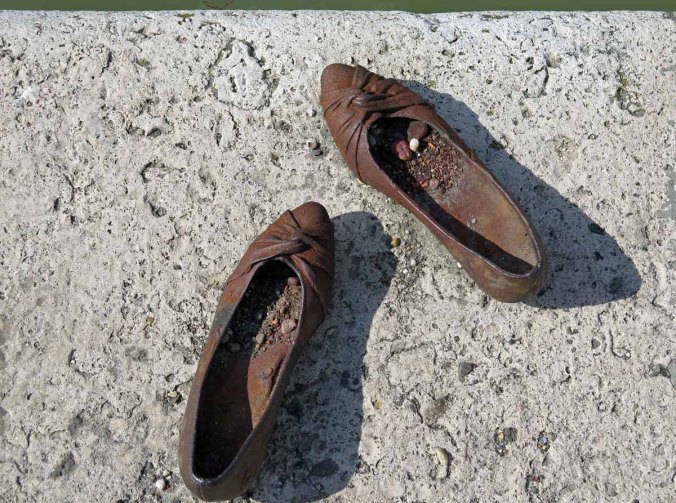
Our last full day in Budapest was nice and sunny, so we walked to the Shoes on the Danube Bank, a memorial to victims of World War II. We then walked all the way back to Jonas, a craft brewery with nice views over the river (four beers for 3000 HUF).

To finish the trip in style, we had an early dinner at Pomo D’Oro, an upscale Italian restaurant serving delicious pasta and yummy desserts (meal for three including drinks and tip for 24000 HUF).

hungary 05

HOW TO DO IT:

  • Go: We took the train from Vienna (takes about 2h30), but there are plenty of flights from London. Budapest is also a great option for the end of an Eastern Europe trip as it has good connections with the whole region.
  • Stay: We stayed at this fancy place in Kiraly Utca, which was both a great place and the perfect location. Budapest has lots of good accommodation options, so it’s easy to find a good alternative.
  • Money: Budapest is very cheap and even upscale places are affordable in comparison to London prices. Exchange places are easily available and generally the rates are very good as there’s lots of competition.

hungary 06

BEAUTIFUL ARCHITECTURE AND FANCY RESTAURANTS: 2 days in Vienna

austria 02

This was my second time in Vienna and the city was just as impressive as I remembered.

We arrived early afternoon, so we dropped our bags at our flat and headed to the centre for lunch. We ate at Wrenkh, a restaurant serving delicious food with lots of veggie options hidden away just behind Stephansplatz (lunch for three including drinks and tip for 50€).

austria 01

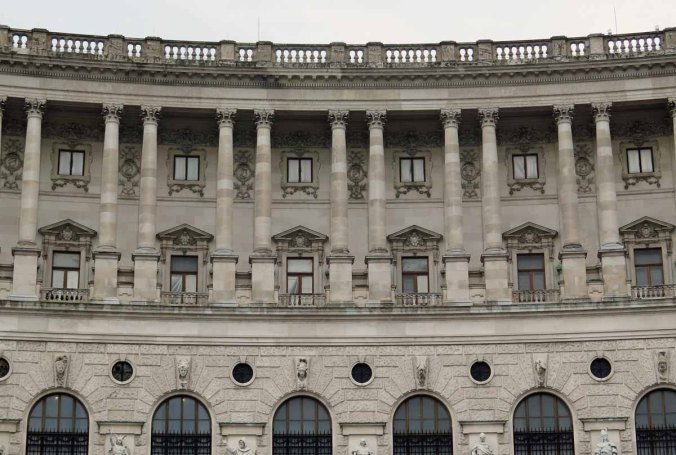
Despite the rain, we set off exploring the city centre, stopping at St Stephan’s Cathedral, Hofburg Palace, the Spanish Riding School and the Manner shop to stock up on loads on chocolate. Then we headed back to the flat for an early night in.

It was sunny when we woke up so we took the metro to Schonbrunn Palace, the famous residence of Empress Sissi. We walked the gardens for a bit then had coffee in their cafe (coffee and croissant for about 8€).

austria 05

austria 04

Next we went back to the city centre to visit the Albertina Museum (tickets for 13€). This is a great museum for seeing Austrian and European art. When we visited they had an impressive Brueghel retrospective on.

We had a late lunch at Cafe Hawelka, a popular place in the centre which still captures the post-war atmosphere (lunch for three including drinks and tip for 45€). This is a great place to escape the frilly splendour of most Viennese cafes.

After exploring a bit more of the centre we headed back to pack for the next leg of our trip.

austria 03

HOW TO DO IT:

  • Go: Vienna can be easily reached by train (we came from Brno) and flying, and it’s a good destination for a short break.
  • Stay: Accommodation isn’t particularly cheap, but there are lots of options. We stayed at this Airbnb which was a great choice and about 20min from all the main sights.
  • Transportation: It’s easy to get around by train and U-bahn. We bought a 48h ticket for 13.30€ and those were a great option as they cover all transportation. In the city centre everything is within walking distance.

austria 06

COOL RESTAURANTS AND STREET ART: A quick stop in Brno

czech republic 12

We took the train from Prague to Brno. It is the second city in the Czech Republic and has become quite popular recently. As we only had the afternoon to explore, we dropped our bags at the hotel and headed off.

Our first stop was Soul Bistro, a cool cafe and restaurant serving delicious food with plenty of veggie options (lunch for three including drinks and tip for 600 CZK).

We then headed to the Old Town centre and checked out the sights. We climbed the tower at the Old Town Hall (tickets for 70 CZK per person) to get great views over the city centre.

czech republic 11

From there we checked out the Cabbage Market (the main town square) and Peter and Paul Cathedral. After wandering around in the rain a bit more, we stopped for a quick drink at the cute Jedna Basen (drinks for three for 127 CZK including tip). Then it was time to head back to the hotel and pack up again.

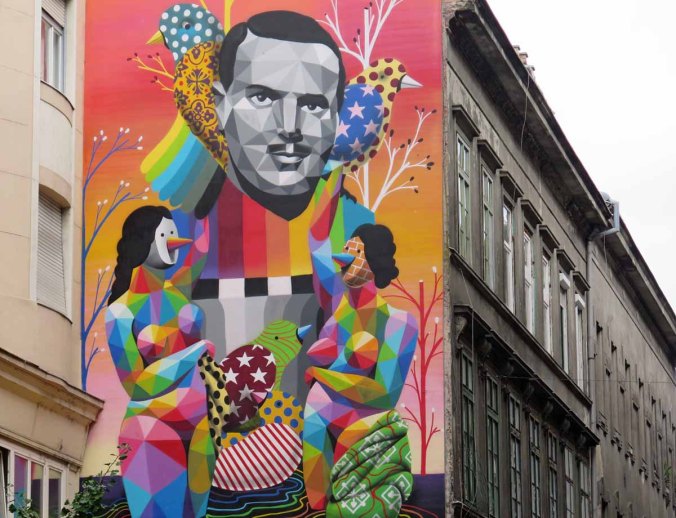
Brno is not as beautiful as Prague, but it is an interesting city. There’s a good amount of street art and lots of cool bars and restaurants. It is also definitely cheaper than Prague and much less touristy, so the appeal are the local places which feel more authentic and just nice places to go rather than traditional Czech places.

czech republic 15

HOW TO DO IT:

  • Go: Brno is best visited as part of a trip around the region (I wouldn’t stay more than one day). From both Prague and Vienna you can take regular trains which take less than three hours and cost less than 15€.
  • Stay: We stayed at Efi Hotel (we paid 76€ for three people), which was located just off the city centre but was nice, spacious and cheap. They offered a free glass of wine on arrival and free taxi rides to the centre and back. Breakfast was also included.

czech republic 13

AMAZING VIEWS AND GOOD RESTAURANTS: 3 days in Prague

czech republic 02

This was my second time in Prague and the city was just as impressive!
We took the train from Munich to Prague, and even with roadworks we still got there at around 4pm.

Our brand new flat was centrally located close to the Old Town. We bought some supplies at the supermarket to have an early dinner at our flat.

czech republic 01

Then we headed off exploring the Old Town centre, stopping at cute stalls selling chips, drinks and handicraft. We took in the atmosphere of the Old Town square and Wenceslas square, before heading back to the flat for the evening.

We decided to take a free walking tour around Prague the next day. The tour started at the Old Town square and covered many of Prague’s highlights – the Old Town, New Town, Jewish Quarter and several stops along the way (we tipped 100CZK per person).

After the tour we explored the centre a bit more, stopping at shops along the way.

czech republic 03

In the evening we had dinner at Alriso, a gluten-free restaurant specialising in yummy risotto (the panna cotta we had for dessert was also great). Dinner for three including drinks and tip for 1650 CZK).

On our third day in Prague we crossed the beautiful and famous Charles Bridge to reach the Castle District. After some time exploring, we got into the Castle (tickets 10€), where you can visit the impressive St Vitus Cathedral and get great views over the town.

czech republic 09

Nearby is the Kafka Museum (tickets for 200 CZK), which gives an overview of Kafka’s life and work in Prague and has a dark and uneasy setup that reflects his work.

After a quick bite to eat and a beer close to the museum, we headed back to the Old Town for an early night in.

czech republic 04

On our last day in Prague we took the tram to Petrin Park. You can take a funicular up the hill where you can climb up an Eiffel Tower-like structure (tickets 200 CZK) and get amazing views of Prague Castle, Charles Bridge and the Old Town.

czech republic 07

czech republic 08

We then decided to get a boat tour on the Vltava (tickets 250 CZK), to see the city differently. There’s lots of options around so we just found one that was convenient and cheap – it’s definitely a good thing to do on a nice day and better value than in most other cities.

czech republic 10

We then went back to the city centre where we had lunch at Vabene (lunch for 3 including drinks and tip for 11 CZK), a touristy but nice Italian place in a cute courtyard in the city centre.

In the evening we watched a concert at St Martin’s church (tickets for 500 CZK per person). Prague has tons of concerts on offer so you can choose one any day of the week.

Then it was time to head back to the hotel and pack for our next trip.

czech republic 05

HOW TO DO IT:

  • Go: We took the train from Munich, which usually takes 6h but we were delayed because of roadworks. It’s easy to book online and tickets cost only 15€ in advance, but it’s best to book through the Czech website as it’s weirdly much cheaper than the German one for the same trip.
  • Stay: We stayed at this Airbnb which was just perfect – brand new and centrally located. Prague has lots of cheap accommodation to offer and it’s easy to find a good place.
  • Transportation: You can cover a lot on foot, and it’s a great way to see the sights as well as taking in the impressive architecture. Trams are also easily available and are good for going to further places such as Petrin Park and the Castle District. Tickets must be bought in advance and need to be validated on board.
  • Money: Prague is cheap by European standards – in most bars 0,5l of beer costs only £2. But being very touristy, prices can be steep in the city centre. You also need to pay attention when exchanging currency – ask around for reputable places and check the rate before buying (we didn’t and were short-changed when we first arrived). The best place we found was Exchange at Kaprova 14/13, right behind the Old Town Square.