HILLTOP VILLAGES AND FIG TREES: Exploring Provence by public transportation

les baux 15

When I decided to go to Provence, one of the key things I had to think about was transport. Most people drive around Provence, but I had to make do with public transportation.

nimes 08

Where to stay:

I decided to base myself in two places: I spent the first half of my trip in Aix-en-Provence and from there I moved to Arles.

Aix was one of the places I definitely wanted to see. It is close to the coast, so you can visit Cassis and other beaches. Arles, on the other hand, is an ideal place if you want to travel around, as it is well-connected to other towns by train and bus.

isle 06

Itinerary planning:

There are loads and loads of places to visit around Provence, so it’s difficult to choose. After some research, I found this itinerary the most useful (although it covers more than what I saw).

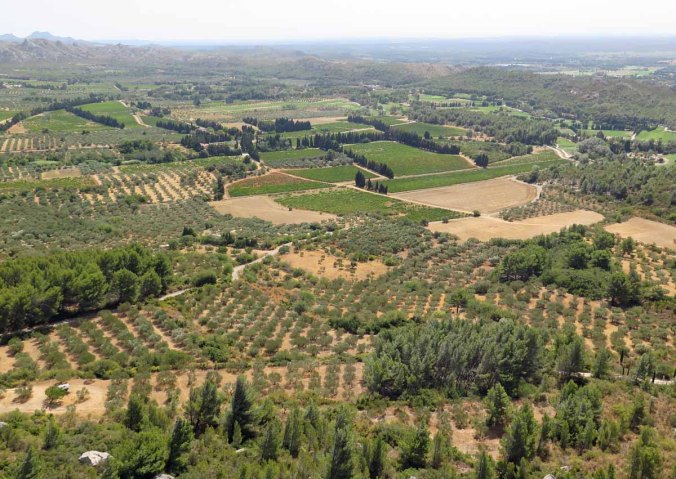
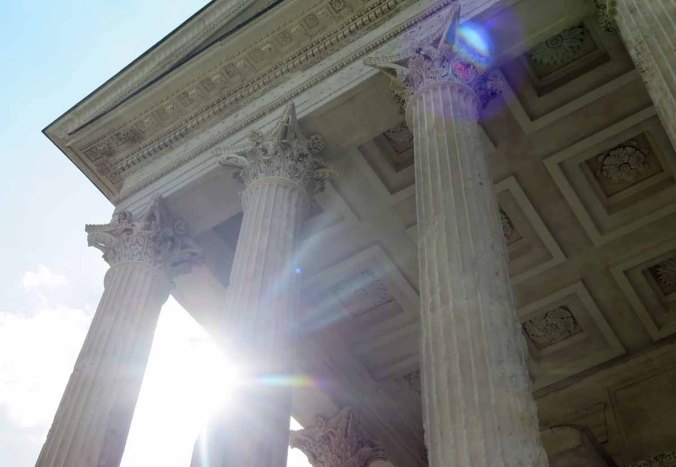
Aside from Aix and Arles, my favourite places were Les Baux de Provence and Nimes (all my Provence posts are saved here), but I’m sure there were many great places which I didn’t get to.

les baux 05

Travelling by train:

Travelling by train in France is weirdly not as easy as in other countries. As ever, Seat 61 was very helpful. The main thing to do is to use this website to search for and book tickets, as it’s definitely better than the local alternatives.

There is an useful rail map of Provence here, and this is a good website to find more information and discounts (in the summer there are discounted day passes on offer).

The trains themselves were all good, and mostly on time.

arles 006

Travelling by bus:

In hindsight I would have probably taken the bus more often than I did, as you can often get a direct bus and I got lots of connections on trains.

You can find information on routes and timetables here and tourist information places can also help. There are usually buses going to most (if not all) tourist sites, particularly in the summer.

les baux 14

All in all, it is definitely possible to explore Provence by public transportation – I did all I wanted to do and really didn’t feel like it was particularly difficult. I’m sure it would be easier by car, but with a little bit of planning I had no problems and saw a lot!

arles 025

nimes 12

HOW TO TRAVEL LIGHT ON LONG TRIPS: My backpack checklist

My trip to India was going to last 21 days, but I didn’t want to carry around a lot of weight. So I did some research and found a couple of websites with good tips on packing light.

arles 004 - Copy

I’m pleased to say that my packing for this trip was really spot on, so I compiled the list below. I have since used the same list for my 20 day trip to Provence (even a little bid reduced).

Here’s everything I took:

BAGS:

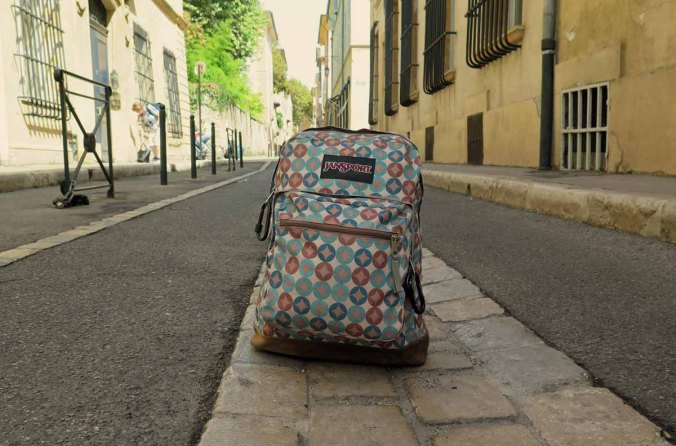
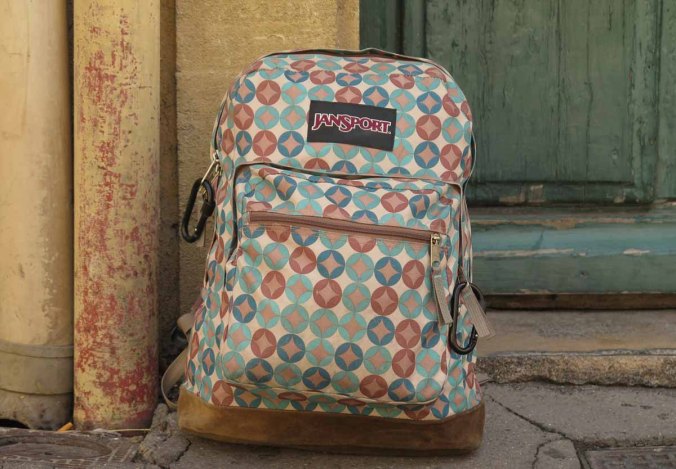
  • My trusted Jansport backpack: this has been with me for 9 years and I love it. It’s only 30l capacity so it can be taken on a plane. It’s not a fancy travel backpack but it’s sturdy and reliable.
  • A foldable day bag: This is something to use as my bag during the day, but it can be put in my backpack for travelling.
  • 3 packing cubes: These were the best purchase! They help keep everything organised when we were on the move, and I really recommend them.
  • A foldable shopping bag: To be used for shopping or as a laundry bag.

CLOTHES:

  • 5 t-shirts (4 would do),
  • 3 trousers (2 would do),
  • 2 dresses,
  • A jumper.

This was plenty, and it’s much easier to wash a couple of items per day than having to do a whole load once a week.

SHOES:

  • Slip on trainers,
  • Flip flops,
  • Sandals.

You’d never need any more than that.

UNDERWEAR:

  • 5 pairs of socks, ideally merino as they dry quickly (3 pairs are actually enough),
  • 5 pairs of underwear,
  • 2 bras,
  • Bikini,
  • Shorts and t-shirt for sleeping,
  • Leggings.

arles 002 - Copy

TOILETRIES:

  • 2 small tubes of toothpaste,
  • Toothbrush,
  • Johnson’s baby shampoo (the full body one, which I used to shower but also to wash my clothes),
  • Moisturiser,
  • Deodorant,
  • Repellent,
  • Suncream,
  • Antibac gel,
  • Band aid,
  • Lip balm,
  • Comb,
  • Tweezers,
  • Nail file,
  • Loperamide and rehydration salts (which thankfully were not needed),
  • Tissues,
  • Ibuprofen,
  • Vitamins.

TECH:

  • My Canon G16 and charger,
  • My Mini Diana and 2 rolls of film,
  • Mobile phone and charger,
  • Universal adaptor (I bought this one which was good and small).

OTHER STUFF:

  • Passport and cash,
  • Printed copies of documents and reservations,
  • Money belt,
  • Wallet,
  • House keys and oyster card,
  • Sunglasses and spare pair of glasses,
  • A spork,
  • Luggage tag in case I wanted to check my backpack on the way back (not needed),
  • Lock,
  • 2 carabiners (for extra safety, but not really needed),
  • Travel kit with inflatable pillow, sleep mask and earplugs,
  • A book,
  • A notebook and pen,
  • A travel towel (which was really useful not only as a towel but also as a throw),
  • A poncho (not used),
  • A clothes line (not used).

There were a few items which I didn’t need in the end but mostly this was a really great travel kit. And because it had everything I needed, it could easily be used for longer trips too.

arles 003 - Copy

AMAZING FOOD AND MONSOON FUN: Southern India reflections and how to

india 011

India is a massive and diverse country, so it’s hard to define it as a whole. We visited the south of the country over three weeks, and in many ways we barely scratched the surface.

India is loud, vibrant, difficult and appealing all at once. From the luscious green landscape of Kerala to the microbreweries of Bangalore and the hippie lifestyle of Pondicherry, there’s something for everyone – you can spend a month lazying by the beach or joining the local crowds in hipster cafes.

The pull of India is undeniable. Colonial architecture, amazing food and the unstoppable activity are all there to drag you in.

The people we met along the way were really friendly, from the waiters who warned us about spicy dishes to the tuk-tuk driver who asked if we wanted to drive instead, we felt really welcome – everyone seemed to want to make sure we were having a great time; and of course we were.

And obviously India is not an easy country – there’s poverty, crazy traffic and so much noise everywhere. But amid it all, there’s beauty, culture and tradition, temples and gods creating the fabric of a country that really is a world in itself.

india 006

HOW TO DO IT:

Itinerary planning:

Once we decided we’d travel to the south of India, we set out mapping where we wanted to go. I used this tour by G Adventures as the basis of our trip.

  • We did:
    – Mumbay – 3 days
    – Bengalore – 3 days
    – Chennai – 1 day
    – Pondicherry – 4 days
    – Madurai – 2 days
    – Amritapuri ashram – 2 days
    – Kochi – 3 days
    – Mumbai – 3 days

This was definitely a comprehensive itinerary, and although it was busy, as a way of getting to know many places it was the right balance.

Chennai didn’t really have anything to offer, but it’s the easiest starting point to visiting Tamil Nadu. We had a great time in Pondicherry and could have stayed for longer, but four days is definitely enough to see it well. Kochi was another favourite with its easygoing colonial vibe and lush greenery. And of course Mumbai is a whole world.

But the main advantage of our itinerary was that we saw many places off the beaten track – most people I know visit Delhi, the Taj Mahal and Goa. And although I would love to visit those places too, it was great to see a different side of India – one in which many of the stereotypes didn’t hold true.

india 025

Trains:

Travelling by train in India is very popular, and because we were covering a lot of ground, it seemed like a good option. Tickets are really cheap too.

We did a lot of research before buying tickets and booked everything online – Seat 61 was a great help, as purchasing tickets can be a long process.

We took three trains, one during the day and two sleepers. All were good – we chose second class as recommended and it was comfortable and had air conditioning.

Trains were mostly on time, although we had a one hour delay once.

Stations don’t always have clear signage, but both on trains or at the platform people were helpful and gave us the information we needed.

Travelling by train is also a good way of seeing the Indian countryside passing through your window.

Because of the way people drive in India, given the chance I’d always prefer a train over a taxi. Alternatively, for long distances there were good options for cheap flights.
india 008

Transportation in cities:

India is famous for its chaotic traffic, and we saw that was the case in big cities. Public transportation is not always available, although you can get the occasional bus or metro. In smaller cities, sometimes things are within walking distance, but in general that is not the case.

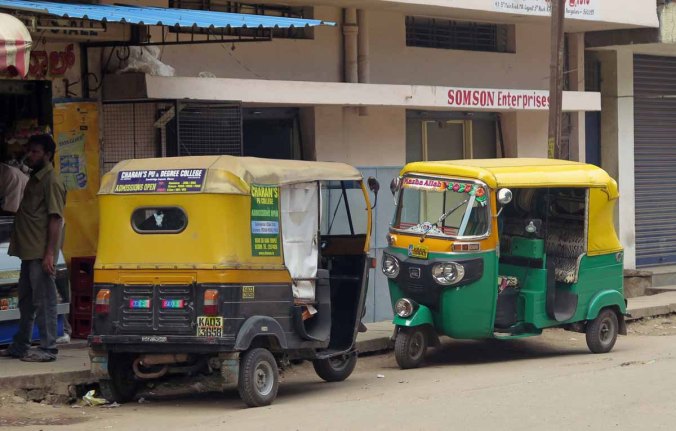
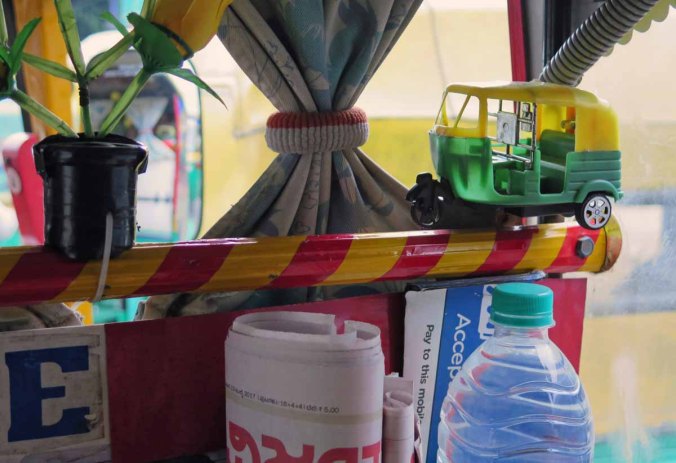
Most of the time you will rely on tuk-tuks or taxis. Tuk-tuks are easily available everywhere and are good fun. In Mumbai and Bangalore there were restrictions on where they could go (and sometimes the drivers will simply turn you down!).

Tuk-tuks area cheap, but you need to agree on a price before you get in – Mumbai was the only place where they used meters.

Taxis in India are mostly app-based. Aside from Uber, Ola is a local alternative, but you need an Indian mobile number to use it. Hotels and restaurants are generally also able to arrange transportation if needed.

india 020

Visa:

You can get an e-visa online, which is a good system. You complete the form and pay the £41 fee on this website. The site has a few glitches, so you may need to try a few times before your application goes through.

A couple of days later you get an email confirmation. All you need to do is print that off and bring it with you to the airport.

Money:

As expected, India is really cheap, and in many ways that is part of the appeal. You can get a cheap meal for £1, a hotel room for £10 and an outfit for £5. In shops and markets it can be hard to bargain as often the starting price is lower than what you wanted to pay (you should haggle anyway though, as it’s the way to do it).

There were three of us travelling and the daily kitty of £20 per person was more than enough to cover everything apart from accommodation (some days we spent only half of it).

In bigger cities, however, we found that prices vary much more, and in Mumbai you could find lots of high end restaurants with prices just a bit lower than those in the UK – so it’s best to save these for a special occasion.
india 015

Weather – travelling during the monsoon season:

We travelled in July, which is supposed to be very hot and wet as it’s monsoon season. Because of that, we decided to travel south – the region is supposed to be really beautiful then.

What we found is that the monsoon wasn’t really what we expected. In Tamil Nadu we got no rain at all. In Kerala we got the occasional storm but that always passed quickly. Mumbai was also pretty much dry.

As for the heat, in some places it did get over 35 degrees, but restaurants and shops tend to have air conditioning or fans, so it wasn’t that bad. Many of the places we visited had a maximum temperature of around 30 degrees, which is hot but not unbearable.

So travelling during monsoon season turned out just fine – and we had the bonus of avoiding the tourist crowds.

People:

You always hear a lot about how much hassle you get in India, but our experience was different. Nowhere did we get much hassle at all – in Madurai we had a few pushy sellers, but that was very minor.

Mostly, when people spoke to us they wanted to ask us for a photo or to chat about our experience in India. People were also very helpful and forthcoming when they thought we needed directions or some guidance.

Yoga and Ayurveda:

We wanted to take advantage of being in India to do some yoga, and we managed to do so in Pondicherry (at Rishi) and Kochi (at Sivananda).

We also managed to have ayurvedic massage in Pondicherry (at Keralaa Ayurveda).

What we found though is that those weren’t as easily available as we expected – we really needed to do some research in order to find the places, and there weren’t lots of options.

With the yoga, we were the only people to show up to the public classes we did, which was great for us but also showed it was definitely low season.

But all we did was definitely great fun and amazing experiences.

india 013

Food and Drink:

Food in India is famously impressive, but it surpassed my expectations. We ate lots of different types of Indian food, both from the north and south of the country, and at varying prices. Pretty much everywhere we ate very well.

Where we ate Western food, it was also delicious – particularly the desserts (so much cake!) were amazing. People always flagged if they thought something may be too spicy for us which was good.

And of course India is a vegetarian’s paradise, so there were always tons of options for me to choose from. I was travelling with friends who have a bit more expensive taste than me, so maybe because of that I didn’t get a case of Delhi belly at all!

Our experience of food in India was a rich part of our trip – from cool cafes to traditional thalis everything added value to our journey.

Drinking in India can be a bit trickier – in some areas there are strict regulations and it can be hard to find a bar, or you may be restricted to only a couple of places serving Kingfisher.

Big cities are easier, with bars and restaurants offering good selections of drinks. These are not super cheap though, so alcohol can have a big impact on your daily budget.

The best place we found for drinks was Bangalore, which has a vibrant craft brewery scene with lots of cool bars serving good beer to the local crowd. Indian wine is available in some upmarket places, but it’s usually expensive.

Shopping:

I knew India was going to be cheap and although I’m not one for shopping, I expected to be tempted. Prices can really be insanely cheap, but I didn’t always find things as appealing as I thought I might.

Shopping for sarees was the only thing that was a bit overwhelming as there were countless options everywhere. I still bought a few things but nothing over the top.

We also found some upmarket shops with more unique options (Fabindia was our favourite). Those still had reasonable prices but were less conducive to a shopping spree.
A HOME FROM HOME: Rummaging through Airbnb cupboards

vienna 11

2015 was the year that I really decided to focus on Airbnb for my trips. I had previously considered the site as a second option for when hotels were too expensive, but now that’s the first place I look.

So far I haven’t had any bad experiences – and you can have truly unique experiences: a view over a canal in Venice and the most amazing riad in Marrakech are among the best places I’ve ever stayed.

venice01

Everyone will tell you that the key to booking a place through Airbnb is to check the reviews. But I realised that my experience is also determined by another factor which can only be assessed on arrival: the kitchen cupboards.

The main appeal of staying in an apartment is that you feel like you almost live in the city you’re visiting; you can stay where locals live and relax without any of the formalities of a hotel. And part of that is, of course, cooking your own food.

toronto 23

We stayed in a nice flat in Toronto for five days. In the kitchen I found everything I needed and more: lots of pasta, an incredible variety of tea and spices, and many unopened jam jars. I made sure to reorganise everything – a bit much, I know, but that’s exactly what I’d to at home.

At the other extreme was the very well-located flat in Berlin. We arrived quite late, and after a mix-up with the keys, we got to the flat past midnight. I opened the cupboards in the kitchen to find them completely empty. I’m not saying that hosts should provide fully stocked cupboards, but all that white space made me wonder: what do they do with all the leftover salt?

Surely at least once a week someone buys some salt alongside with some other supplies, and most of that goes unused. Why not leave it for the next guests, along with sugar, cooking oil and maybe some other basics?

rome12

As with everything else, it’s the little things that make a huge difference. Sometimes, all you need for good hospitality is being able to make yourself a cup of tea on arrival.

ONLY WHEN I’M ON HOLIDAY: Are we different when we travel?

In my first night in Bangladesh last year I ordered a Sprite at the restaurant. Nothing unusual with that, except that I don’t think I’d had Sprite in absolutely ages. Somehow that’s all I drank in every restaurant we went to on this trip.

berlin13

Thai massages are THE best. I never thought of booking one in London. But when I stay in a very posh (and ridiculously cheap) Movenpick resort in Turkey later this year, I will definitely need to book a massage.

toronto 05

Why is it that we are different when we travel? Why do we create habits which are switched on as soon as we clear airport security?

Travelling is all about doing new things and exploring new places, but I guess we need to create a sense of stability no matter where we are. And travelling allows us to be a bit different from who we normally are – so no one will question your sudden love of crime novels (Jo Nesbo is the best company for long airport waits) if you’re just about to go on a holiday.

rome42

What are your little travel habits?

ON TRAVEL: I’m going away to Pasargadae

000017

I never read Road Dahl in school. Every so often someone tells me ‘you don’t know what you’re missing out’. But then again I didn’t grow up in an English-speaking country.

Well, I grew up with Monteiro Lobato and many other great writers that many people have never even heard of. So who is missing out after all?

000025

The first time I moved to a new city was when I went to uni. It was unusual where I grew up to move to another city because we had a very good university there. But by then I was already way over it, so when the opportunity came, I hopped on a plane (or an overnight coach) and never looked back.

000016

There is a poem by Brazilian modernist Manuel Bandeira, loosely translated as ‘I will go away to Pasargadae’, about the need to escape to a new and exciting place, the place where you belong, a place which is not only better than here, but a place where you are a better person too. There aren’t many good English translations, but it starts:

I will go away to Pasargadae
There I am a friend of the king
There I will have the woman I want
In the bed I will choose

Full version in Portuguese here.

000018

This poem has followed me ever since I left my hometown for uni (12 years ago – ouch!).

It’s about finding yourself in a new place, where you live your life in your own terms. Sounds good to me!

000019

In the poem, Pasargadae is a representation of an idyllic place. In real life, it’s an ancient Greek city in Iran.

What’s the place where you’re at your best?

000021

000022

000023

000024

000026

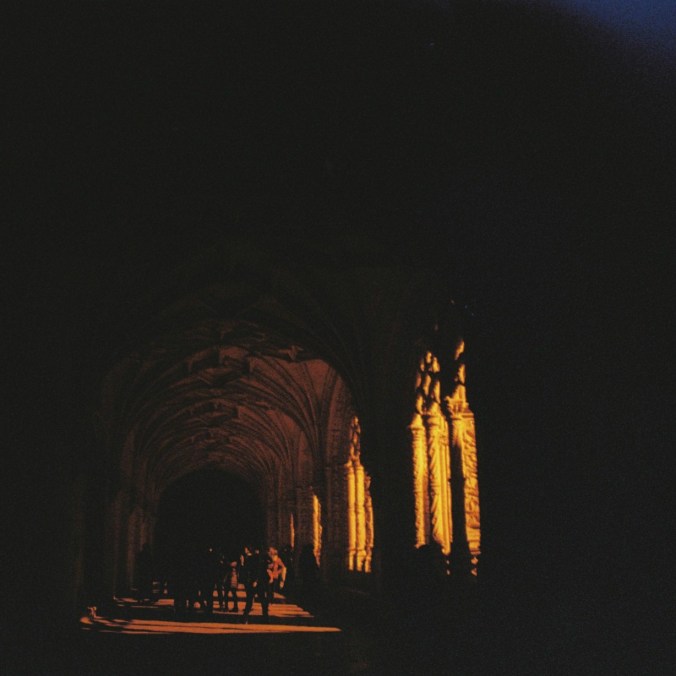
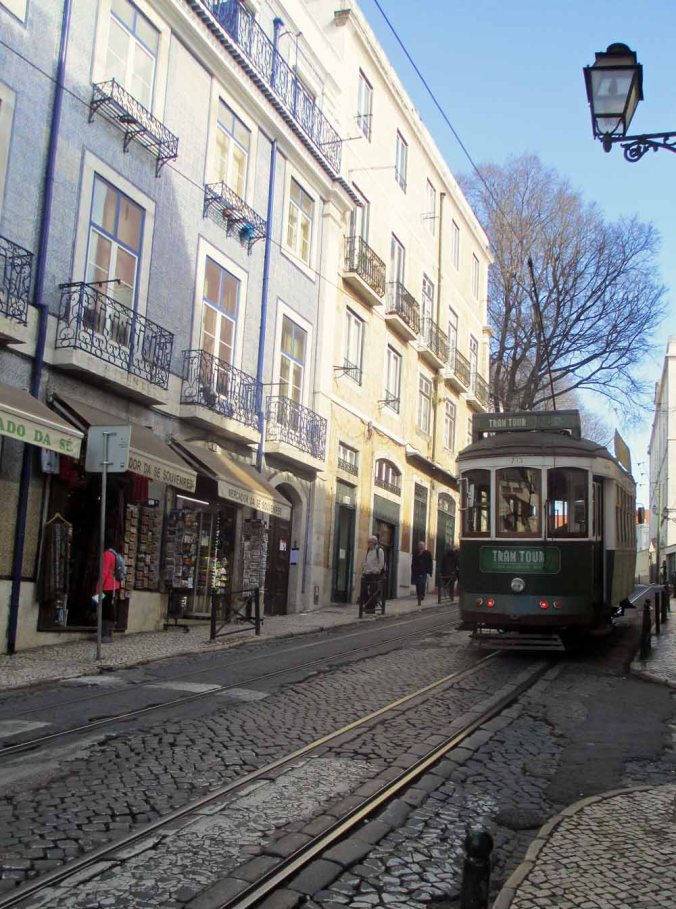
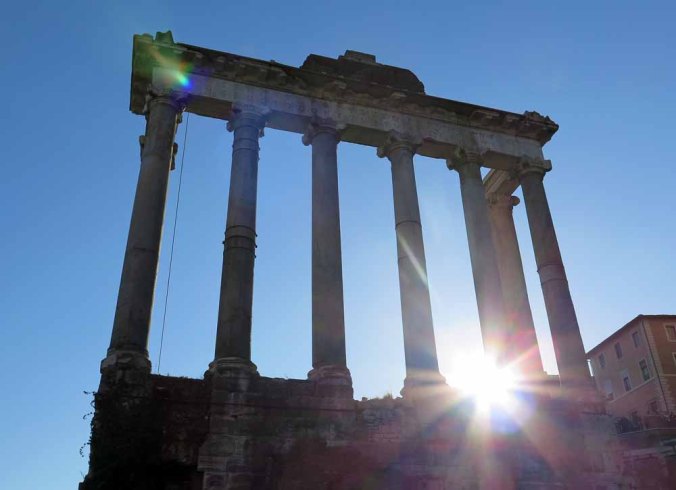
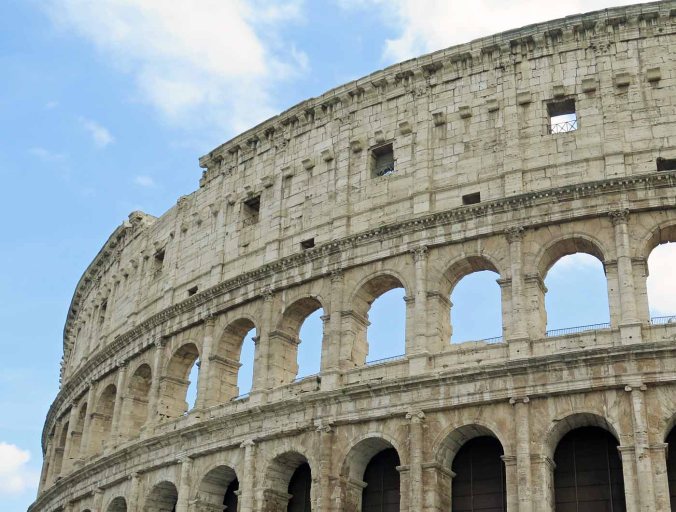
(all photos from my trip to Lisbon, shot with this great Lomo redscale film).

SUMMER HOLIDAYS: Things to do when you don’t have a long summer break

rome 10

When I was a kid, summer holidays were the best. Two months without school (although I am a massive nerd), and we always headed to the beach for at least two weeks.

How I wish I had two months with nothing to do every year!

lisbon03

But at least there are a few things you can do around an office job to get that summer holiday feeling:

  1. Spend a whole day in your pyjamas and don’t leave the house. Add a rerun of Ferris Bueller’s Day Off and a big bowl of popcorn for the perfect lowbrow day.
  2. Take a relaxing bath. I’m addicted to Lush bath bombs, they all smell so amazing! Or splash out on a session at the Lush spa – now this is proper pampering!
  3. Have a picnic in a local park. I’m very lucky to live right across from a massive green area, where I can take a nice basket of food, play my frisbee and have a cold beer.
  4. Get those boardgames out of the closet. You don’t really need anything more than Monopoly and Jenga for a whole night of entertainment.

venice09

TRAVEL READING: A few books on my wishlist

rome31

I always take a book with me when I travel. Most of the times, it stays nicely in my backpack for the whole trip and it comes back without even being touched. But that doesn’t stop me from constantly selecting new books to take with me on my travels – here are a few currently on my wishlist:

Under An African Sky: Journey to the Climate Frontline, by Peter Hudson

biennale05

I know nothing about Mauritania. But after reading an article by Peter Hudson on National Geographic Traveller I decided I wanted to learn more. Peter has been visiting the same village in Mauritania for decades, and this is his most recent book about it. I know that reading it will make me want to go there too!

The Last Train to Zona Verde: Overland from Cape Town to Angola, by Paul Theroux

biennale24

I’ve never read anything by Paul Theroux (shame!), but for a long time I’ve been meaning to. On the top of my list is The Last Train to Zona Verde, which is supposed to be really dark and not particularly nice to read. I have a fascination with Angola, so I’m keen to see what his experience was.

Around the World in 50 Years: My Adventure to Every Country on Earth, by Albert Podell

rome 13

I love learning about others’ travel habits and adventures. This book is about how Albert Podell visited all countries on earth – how cool is that? I don’t necessarily want to go to every country on earth (I’m lying, I do, but I’m not planning to do it just yet), but I really want to learn how others do it!

Happy reading!