A WEEKEND IN AMSTERDAM: ITINERARY FOR SOLO TRAVELLERS

ams20_for web

I don’t normally travel by myself these days, but last weekend I took a plane to Amsterdam for a long weekend. I enjoy travelling solo, but for those who are not used to it, my tip is to keep busy – having a planned itinerary works well for me.

DAY 1

RIJKSMUSEUM
ams10_for web

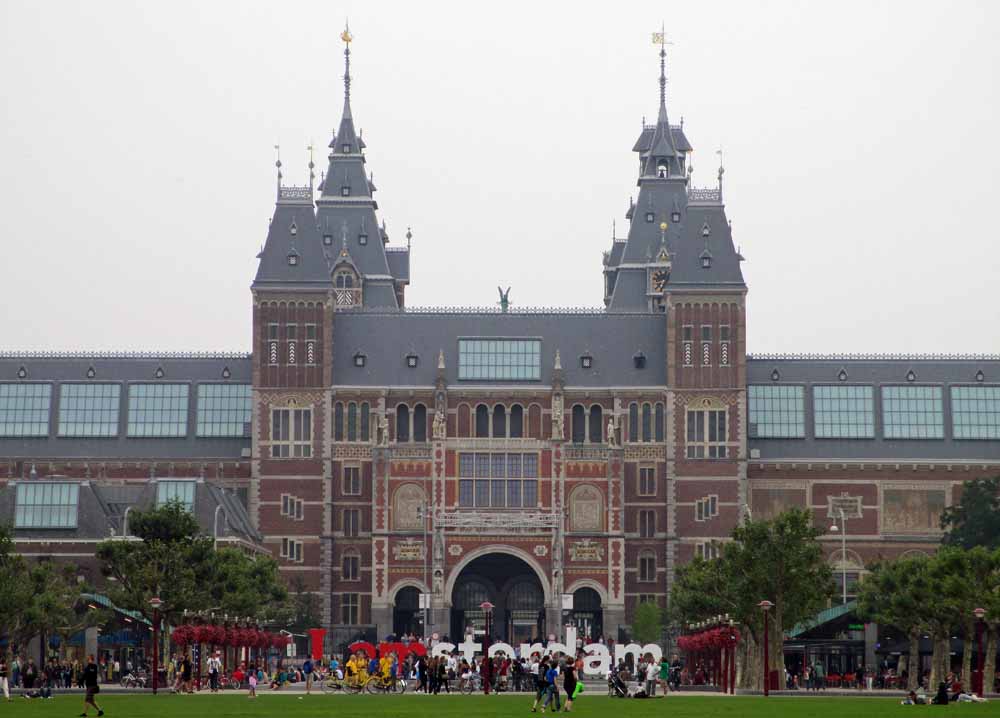
My main objective with this trip was to visit the Rijksmuseum, which reopened last year following a decade-long renovation. I got there early to avoid the crowds.

The museum has a range of exhibits from different periods, but most of the highlights are found in the Gallery of Honour in the second floor. This is where you will find Rembrandt’s Night Watch and Vermeer’s Milkmaid – and it’s also the busiest place in the museum.

The renovated building is the perfect mix of old and new and the displays are beautifully curated.

When I visited, Alain de Botton’s project Art as Therapy was on display alongside some of the artworks, prompting visitors to reflect on specific themes of modern life, such as work, self and anxiety.

ALBERT CUYPMARKT / DE PIJP
ams05_for web

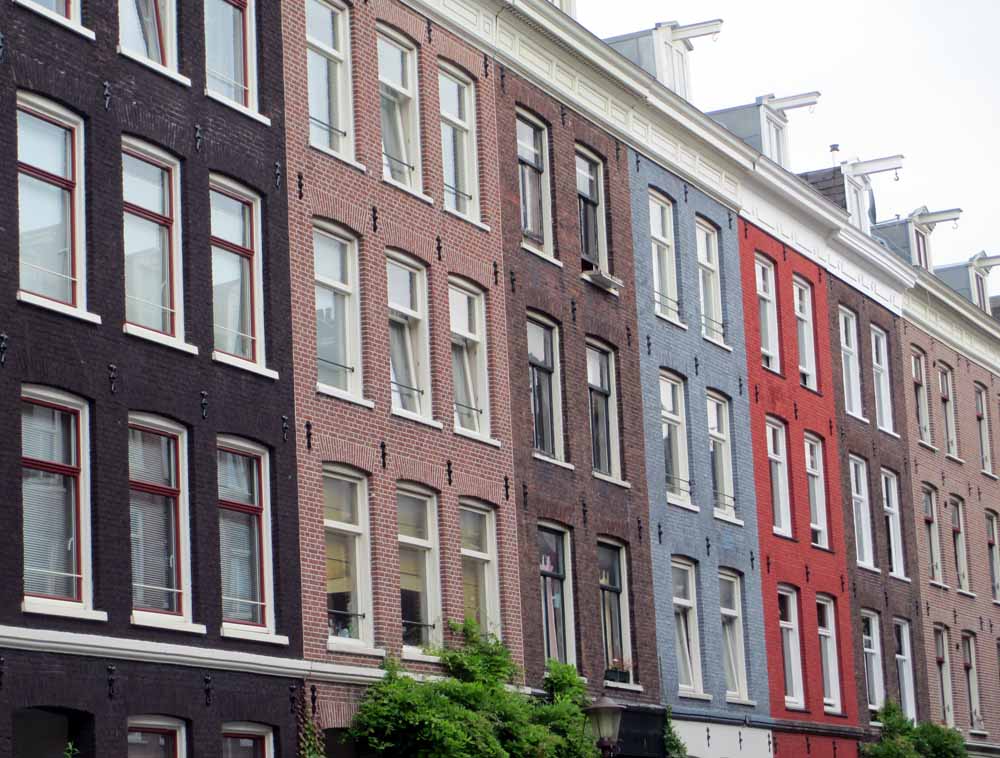
I had heard good things about Dutch market, so I decided to check out one of them. Albert Cuypmarkt is very big and has a wide variety of stalls. It is a good place to get something to eat (I had the fries – yum!).

The market is in De Pijp, a nice neighbourhood with lots of bars and cafes.

VONDELPARK

ams06_for web

This is a very nice park, located within walking distance from the main museums. Although it’s busy, it’s a world apart from the crowded old city centre.

Here you can see the locals going for a run or walking their dogs, but Amsterdam being Amsterdam, it’s also a nice place for a bike ride.

BOAT TOUR

VAN GOGH MUSEUM

Alongside Anne Frank’s house, this is probably the most popular attraction in Amsterdam. Queuing for at least one hour is the norm, so booking in advance is strongly recommended.

This museum has many paintings by Van Gogh and these are displayed in the context of his life.

But this place is simply just too crowded, and fails to allow for the level of contemplation needed to actually take it all in.

DAY 2

FREE WALKING TOUR

ams19_for web

This was a great start to my second day in Amsterdam. Sandeman’s Free Walking Tour through the city centre leaves Dam Square every day at 11.15 and 14.15, and it’s very popular. They offer similar tours in other European cities and they’re supposed to be very good as well.

You are expected to pay what you think is fair at the end (I gave 10€, which seemed to be adequate) and  it was well worth it.
The tour goes around the city centre and provides a lot of context to the sights.

It lasts 3 hours with a 30min coffee break, which initially I thought might be too long, but it was a good amount given how much you see.

It was also a good way of seeing the Red Light District without being worried about being a woman on my own.

JORDAAN / CANALS

ams18_for webJordaan was my favourite area of Amsterdam. This is a laid-back neighbourhood with many nice little shops.

It is a nice place to wander around and have a break. It’s also one of the best areas to see the traditional Dutch architecture of the 17th century.

This is also next to the Canal Belt of Amsterdam full of houseboats and cafes.

haarlem2_for webBecause of how small Holland is, it’s really easy to travel around. I decided to go to Haarlem, a small town reached by a 15 minute train ride.

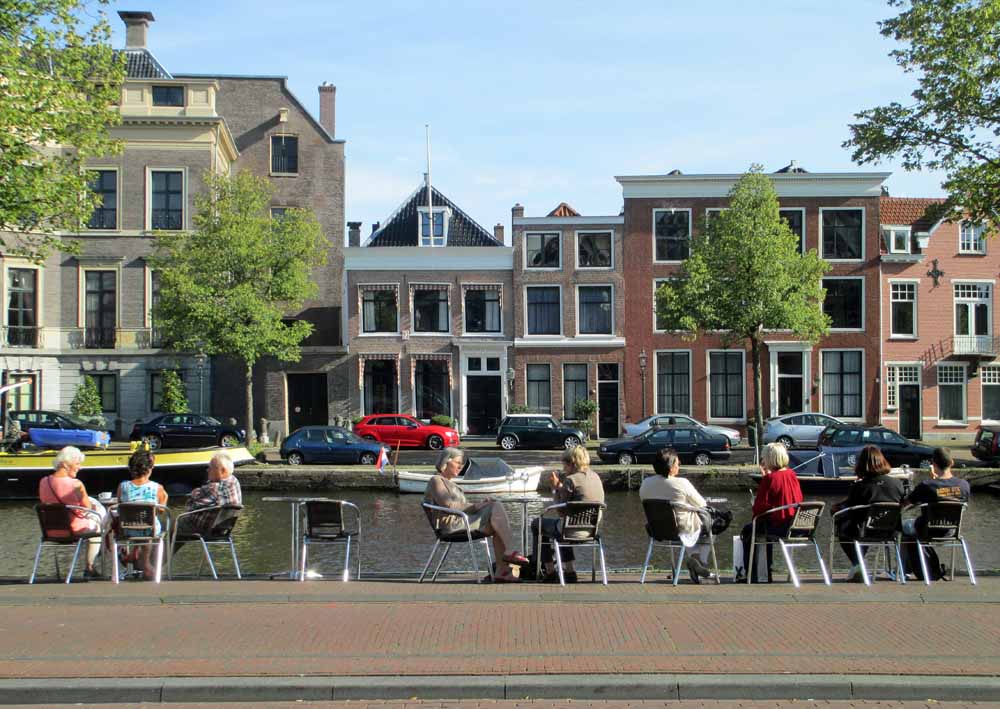
Haarlem is very nice. The city centre is full of character and it was bustling with life on the sunny Saturday afternoon that I spent there.

After visiting St Bavo’s church (the famous organ was played by a young Mozart), stop for Italian gelato or a beer in one of the many bars and cafes nearby.

Trains leave from Amsterdam Centraal every 10-15 minutes and return tickets cost around 9€.

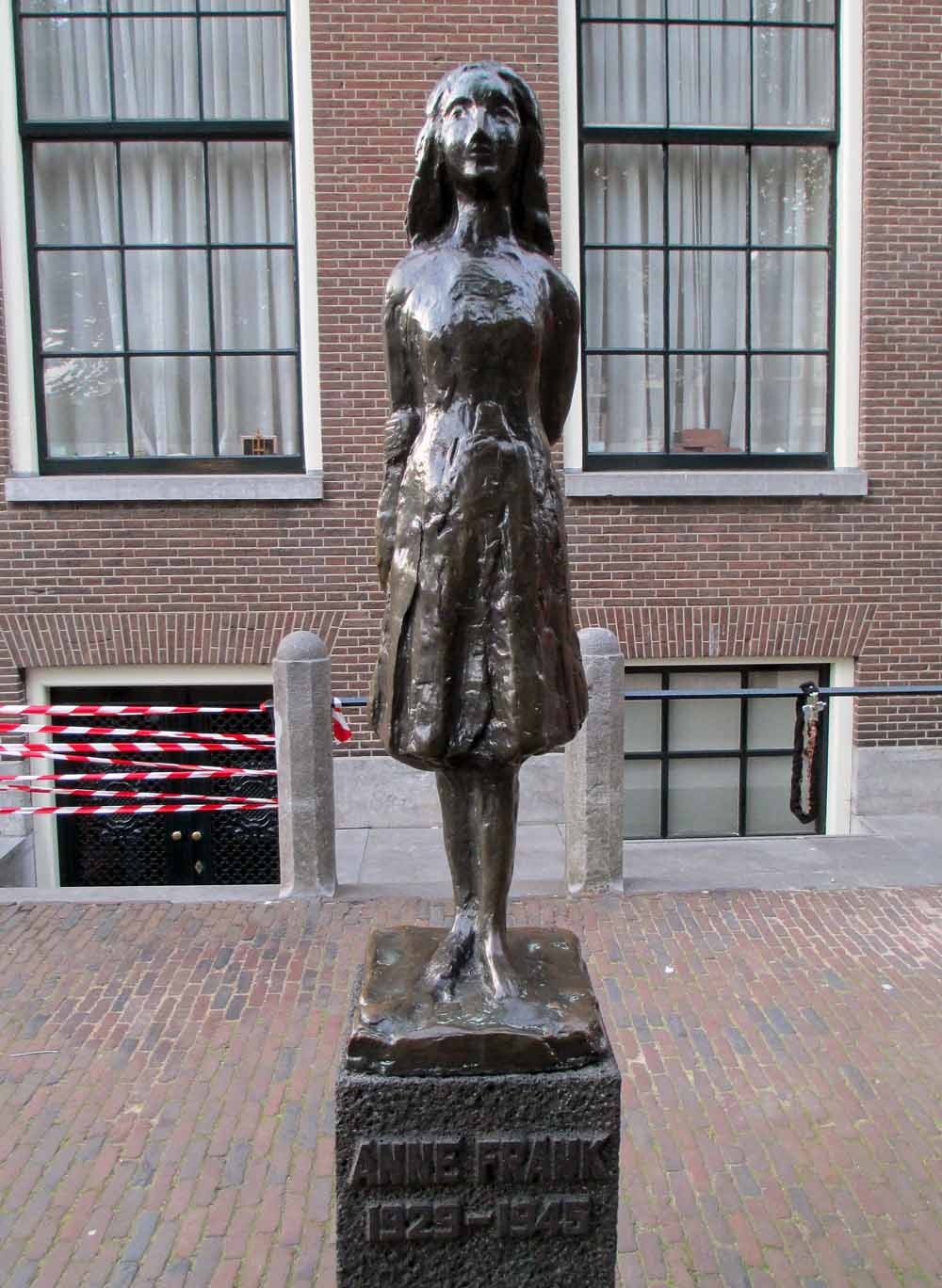
Our little room looked very bare at first with nothing on the walls; but thanks to Daddy who had brought my film-star collection and picture postcards on beforehand, and with the aid of a paste pot and brush, I have transformed the walls into one gigantic picture. This makes it look much more cheerful…
(The Diary of Anne Frank, July 11, 1942)
ams24_for web

Anne Frank House is open to the public thanks to the work of her father Otto.

Queues here take at least 2 hours during the summer, but after 8pm on Fridays and Saturdays the wait is shorter.

Thankfully, inside the place is quiet and the atmosphere respectful. The display is built around Anne’s quotes and you are taken through each of the Secret Annex’s rooms.

I always find this kind of exhibition difficult to visit in a tourist setting, but it is definitely worth a go.

JULIA’S CUCINA ITALIANA

When I first arrived at the Central Station from the airport one of the first places I spotted was Julia’s Cucina Italiana – and of course I knew I had to stop there.

Not only has this place got my name, but also it’s exactly my kind of place!

You choose a type of pasta and a type of sauce and they quickly prepare it in front of you. The food is served in takeaway boxes so you can have some hot pasta on your journey home. A small portion costs from 5.50€.

I went there twice and also brought back some branded napkins!

 DAY 3

BAR BUKOWSKI

ams25_for web

Some people never go crazy. What truly horrible lives they must lead.
(Charles Bukowski)

I heard about Bar Bukowski before going to Amsterdam and thought it’d be a good stop for breakfast on my way to the airport.

This place is right next to Oosterpark, but completely off the tourist paths (they don’t even have a menu in English, but staff is happy to help you).

I had the Amsterdam Blend tea and a cheese croissant – both delicious! The pancakes they were eating at the table next to mine also looked great. A very nice place to visit to scape the crowded city centre.

HOW TO DO IT:

  • Go: Amsterdam is very popular so there are lots of options of flights. Eurostar is a good alternative – book 3 months in advance for the best prices. The train trip from London St Pancras takes only 4h40.
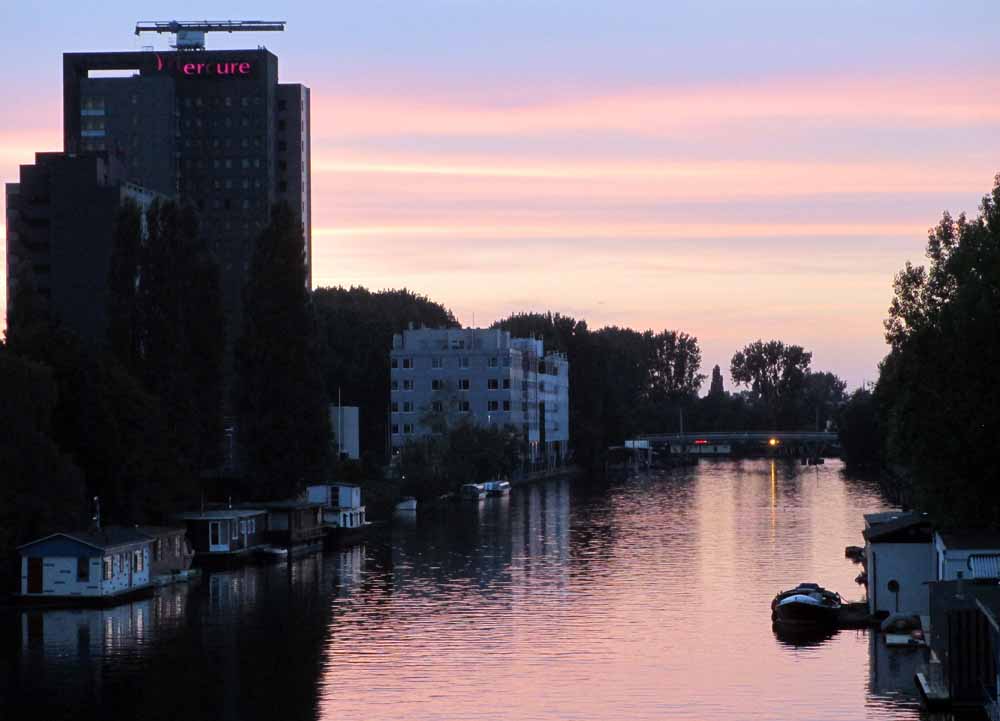
  • Stay: Accommodation is not cheap in Amsterdam, so book in advance. Travelling solo invariably means paying a premium for accommodation, so I ended up staying at Mercure Hotel Amsterdam City, which was not very close to the city centre but only a short metro ride away. In the city centre there are lots of options for hostels, but in Amsterdam these are definitely best for those who want to party hard.
  • When to go: There is lots to do outside, so go when it’s hot to enjoy the canals and cafe terraces. May is the time to go to visit the tulip fields.
  • Museums: The main museums can get very busy, so book online to avoid the massive queues. In the summer some of the larger museums stay open late on Fridays and Saturdays and they tend to be less busy after 8pm.
  • Transportation: Amsterdam is very well served by trains and metro, and because it’s so flat it’s easy to walk to most places. You can buy an OV-chipkaart (similar to an Oyster card) and top up as you go.
  • Travelling alone: I always enjoy travelling by myself and find it really easy. It’s a great way to enjoy a place and do just what you want. I like planning a simple itinerary in advance and keeping busy. And it’s always easy to meet people in pub crawls or hostels.
ams26_for web

A WEEK IN THE OLD YUGOSLAVIA: DUBROVNIK, CROATIA

A few months ago I wrote about the trip we were planning to Eastern Europe. Our plans worked perfectly, and our trip started with three days in Dubrovnik, on the Dalmatian coast.

Dubrovnik was one of our favourite places in this trip: beautiful, scenic, and relaxing. It has an Italian feel to it, and it has become quite popular with the tourists in recent years.

old town 5

THE OLD TOWN

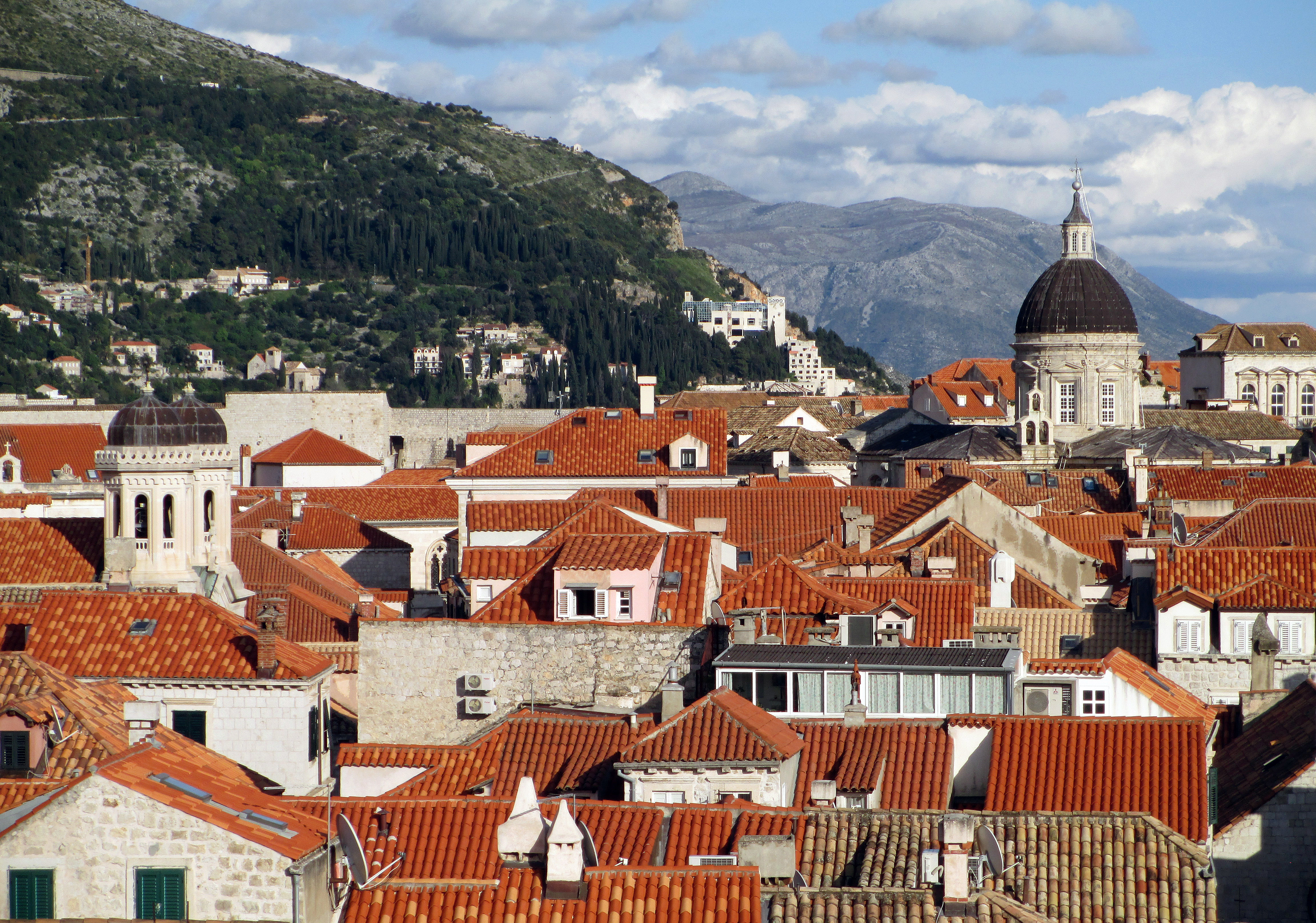
The Old Town is where most attractions are, a scenic little city centre enclosed by fortress walls and by the Adriatic sea, where you can lose yourself eating ice cream and drinking local white wine.

The city walls are a nice attraction: you can walk the length of the walls (about 2km), getting views from the Old Town, the coast, and the mountains. Breathtaking!

LOKRUM

The island of Lokrum is a national reserve which can be reached in 15 minutes by boat from Dubrovnik. Boats leave the small port in the Old Town every hour (more frequently during peak season) and a return ticket costs about £10.

There are many attractions in the island, including beaches and a botanic garden, but the main highlight is Fort Royal, located at a steep hill, which gives amazing views of Dubrovnik.There are lots of peacocks roaming around, and we were lucky to spot a beautiful hoopoe flying around.

A great little day trip!

FOOD

It’s easy to eat in Croatia as the food there is quite European.

The local wine is widely available and very good, I especially enjoyed sampling white wine as it was quite warm. There are lots of ice cream stands and you shouldn’t miss them, it’s always delicious.

The only vegetarian restaurant, Nishta, is at the heart of the Old Town and provides good food and a friendly service.

Mea Culpa is a nice pizzeria, and it was quite busy on a night where everywhere else was empty. We were sharing a pizza and it came helpfully cut in half. A pizza and two drinks cost around £18 including tip. The fact that ‘Stray Heart‘ was playing when we were there may or may not have influenced my opinion of the place.

HOW TO DO IT:

  • When to go: The high season (summer) is warmer, but we were told that Dubrovnik gets too packed in July-August, when most tourists and massive cruises arrive at the same time. We went mid-April, which was perfect: not too crowded but busy enough, with mild temperatures, but not beach weather yet.
  • Getting there: There are lots of flight from London, but most companies only go to Croatia during the high season (May to September). We went with Norwegian, as they had daily flights departing in April.
  • Stay: We stayed at Stella Jadre apartments, where we had our own kitchen and terrace. Jadre is a friendly hostess, keen to give directions and help out. The place is located just outside the Old Town, which is ideal. There are many other options available at Hostelworld.
  • Transport: There are plenty of public buses, ferries and taxis around, and it’s easy to get to places. Transfer from the airport in a shuttle bus costs 35 kunar (about £4), with scenic views all the way. Regional buses from the bus terminal are cheap and accessible, and a good way to see more of the region.
  • Money matters: £1 equals about 9 kunars. Croatia is cheaper than England, but not massively. Konsum is a local supermarket (omnipresent in the countries of the region) with good prices for those self-catering.

A WEEKEND IN BERLIN

Berlin was great – as always.

This was my third time in the city and I still haven’t seen enough. It gives me a reason to come back though.

Berlin is a big city with lots of different neighbourhoods, so there’s lots to explore. We stayed in Alexanderplatz, which is very central.

DO:

Many of the main sights are close together along the river Spree.

Start at Potsdamer Platz then make your way to the Brandenburg Gate, where tourists gather to take pictures. Right nearby is the Holocaust Memorial, with uneven columns that create a sense of unease.

Next, walk to the Reichstag. The building has a transparent dome by British Architect Norman Foster. It’s free to get in but you need to book in advance.

From there walk along the river to reach Museum Island, then stop for a beer in one of the many restaurants by the river.

If you’re so inclined, get on the subway towards Checkpoint Charlie, completing the tour of the main attractions in the city.

IMG_0440
IMG_0447
IMG_0450
IMG_0452
IMG_0455
IMG_0475

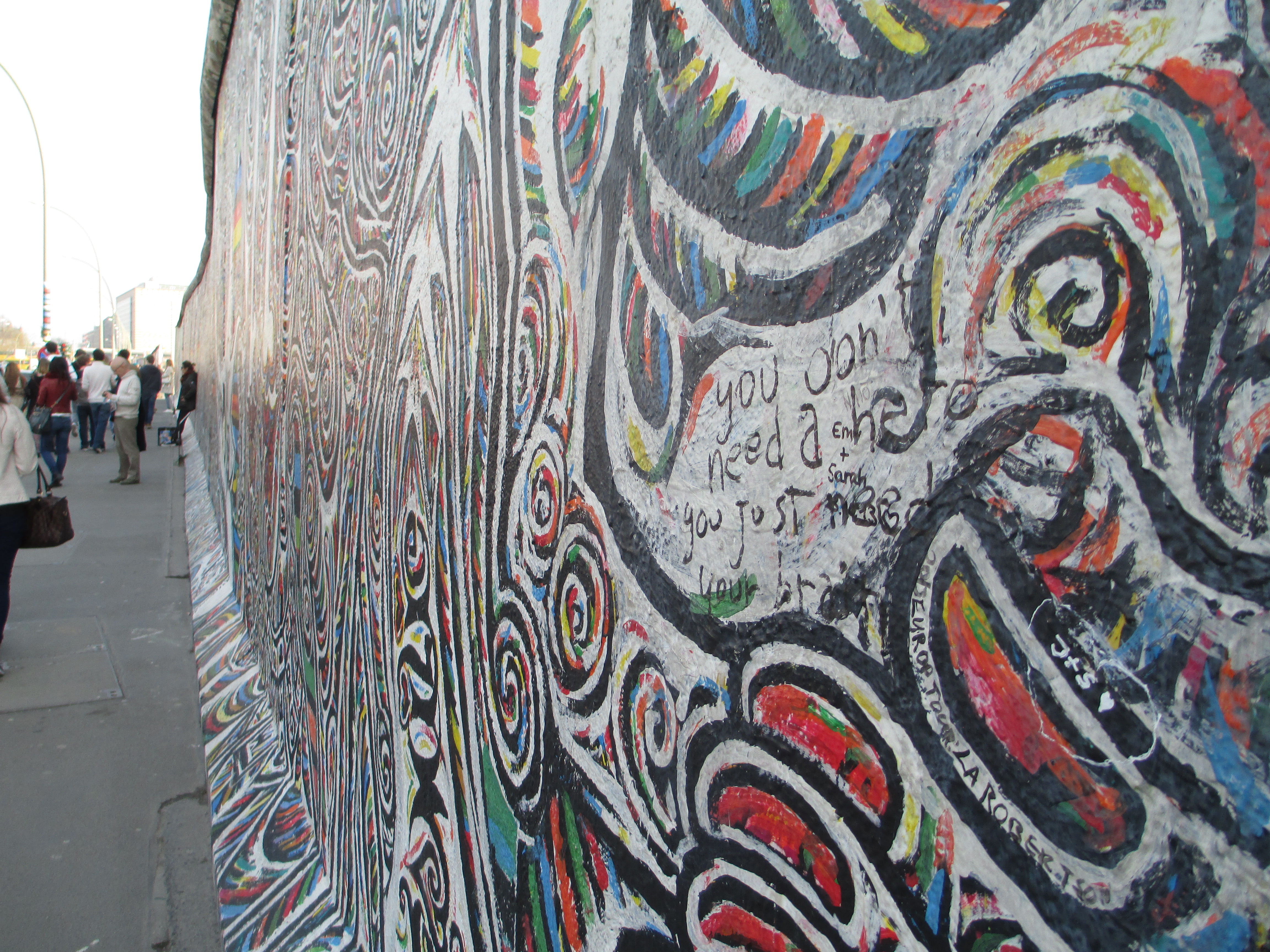
Another highlight is the East-Side Gallery, where large sections of the Berlin Wall have been decorated with colourful paintings.

After taking some pictures (non-optional), head north to Friedrichshain. There are many nice cafes around.

IMG_0459
IMG_0460
IMG_0462
IMG_0464
IMG_0467

We were there over the weekend, so on Sunday we learned it was time for brunch. We went to Prenzlauer Berg – there were lots of lovely places around, you can choose anywhere and it will be just perfect!

Nearby is Mauerpark, with a massive market selling all sorts of things. It was packed, and really nice.

HOW TO DO IT:

  • Getting there: lots of flights are available from London, and it only takes 2 hours to get there.
  • Getting around: you can do a lot on foot, but the subway is the easiest way to get places. There are lots of options for tickets, but day passes are probably the most useful for short trips.
  • Stay: Location is key, so choose a neighbourhood before deciding on the accommodation. We stayed at Schoenhouse Aparments, in a very large flat that was just perfect, highly recommended!
  • Drink: There are lots of restaurants, bars and cafes in Berlin, so you’re never out of choice. Mitte, Friedrichsain, Kreuzberg and Prenzlauer Berg are all good neighbourhoods for drinks or a good night out. German beers are great so that is never a problem in Berlin!
  • Eat: German food is nor particularly veggie-friendly, but veganism is quite popular at the moment, so we had no problems. We had perfect samosas at Mama India and a great Vietnamese dinner at Chen Che.

TRAVEL WISHLIST: AMSTERDAM

Pretty much everyone I know has been to Amsterdam, but somehow I missed the boat.
But with the Rijksmuseum finally reopening after ten years, I decided not to wait anymore, so this August I’m finally going for a long weekend in the city!

HOW TO DO IT:

  • Go: There are lots of options for flights, but it only takes 4h40 on the Eurostar, which is more convenient.
  • Stay: Accommodation is not particularly cheap, but there are options for all tastes.
  • Do: for a cultural break, follow the Rijksmuseum with a visit to Anne Frank’s house and the Van Gogh museum.
Picture

The Rijksmuseum (photo from Wikipedia)

TRIP PLANNING: A WEEK IN EASTERN EUROPE

This trip has been in the cards for a while, but now we’re finally booking flights and accommodation.

THE ITINERARY:

There were lots of options, but we’ve decided to do the following:

  • Flying from London to Dubrovnik (Croatia): there we’ll spend a couple of days;
  • From Dubrovnik we’ll take a day trip to Montenegro, ideally to visit places like Kotor and Budva. Apparently tours can be easily booked when you’re in Croatia, but Amico Tours seems to be a good option if booking in advance.
  • From there we’re getting on a bus to Mostar (Bosnia). Until recently I didn’t even know this place existed, but now I’m obsessed!
Picture

The bridge in Mostar (Photo from Wikipedia)

  • From there we’re getting on a train to Sarajevo, which I’m really looking forward to.
  • Finally, another bus journey and we end our trip in Belgrade (Serbia), where we’re spending two days before coming back to London.

HOW TO DO IT:

Flights:
Many companies fly from London to Dubrovnik, including Norwegian, Easyjet and Monarch.
From Belgrade to London there are less options, Jat Air being the most frequent.Accommodation:
There are lots of options at very affordable prices. We booked everything from Hostelworld.Getting around:
This is the trickiest past of planning this trip as buses are not available for booking online, but timetables can be found in websites such as  www.libertasdubrovnik.com and www.centrolines.ba.
Forums suggest that this shouldn’t be a problem.

How long to go for:
We’re going for nine days in total, which fits well around work.

When to go:
We’re going in April when it should be warm but not too hot. High season is in the summer but temperatures can be too high, especially if travelling by bus.

2013 TRAVELLING: THE YEAR IN REVIEW

In 2013 we decided to visit one European per month. We did it! Here’s a short summary of how it went:

  • Our first trip was to Copenhagen in early February. The city was beautiful and not as expensive as we thought, but the weather definitely made it all a bit difficult.
  • Also in February, we went to Ravenna, Italy. There is not much to it, although the mosaics (on the UNESCO Heritage list) are pretty impressive. The main reason why we ended up there was for family though.
  • In March we spent St Patrick’s Day in Cork. It is a very nice and pretty town, but definitely not as mad as Dublin is supposed to be in March.
  • In April we visited friends in Edinburgh. We were very lucky with the weather so we got the chance to climb Arthur’s seat.
  • In May we went to Budapest. My friend Sophie is a local so we had a great time bar-hopping. The Szechenyi baths were great too.
  • In June we went to Brazil for the Confederations Cup (so technically not Europe). Football and riots.
  • In July we went to Stockholm and had a great time sampling super-expensive beer around Gamla Stan.
  • Then in August we went to Antwerp to see some hockey. There was a nice summer festival on.
  • In September we went to Paris and wandered around the beautiful boulevards. Ron Mueck had an amazing exhibition on at the Cartier Foundation, following the success of  his previous show there.
  • In October we went to Venice for the arts biennale. Somehow we still laugh every time we think about the poor tourist who fell straight into a canal!
  • In November we went to Iceland which was amazing! The highlights were the northern lights, but the whole summary of the trip is here.
  • In December we boarded a plane to Ljubljana not really knowing what to expect. We were pleasantly surprised!

opera house

DECEMBER: 2 DAYS IN LJUBLJANA

Ljubljana is the capital of Slovenia, and we decided to go ‘because it’s there‘. We didn’t know much about it, so it was a very pleasant surprise to discover how nice it was!

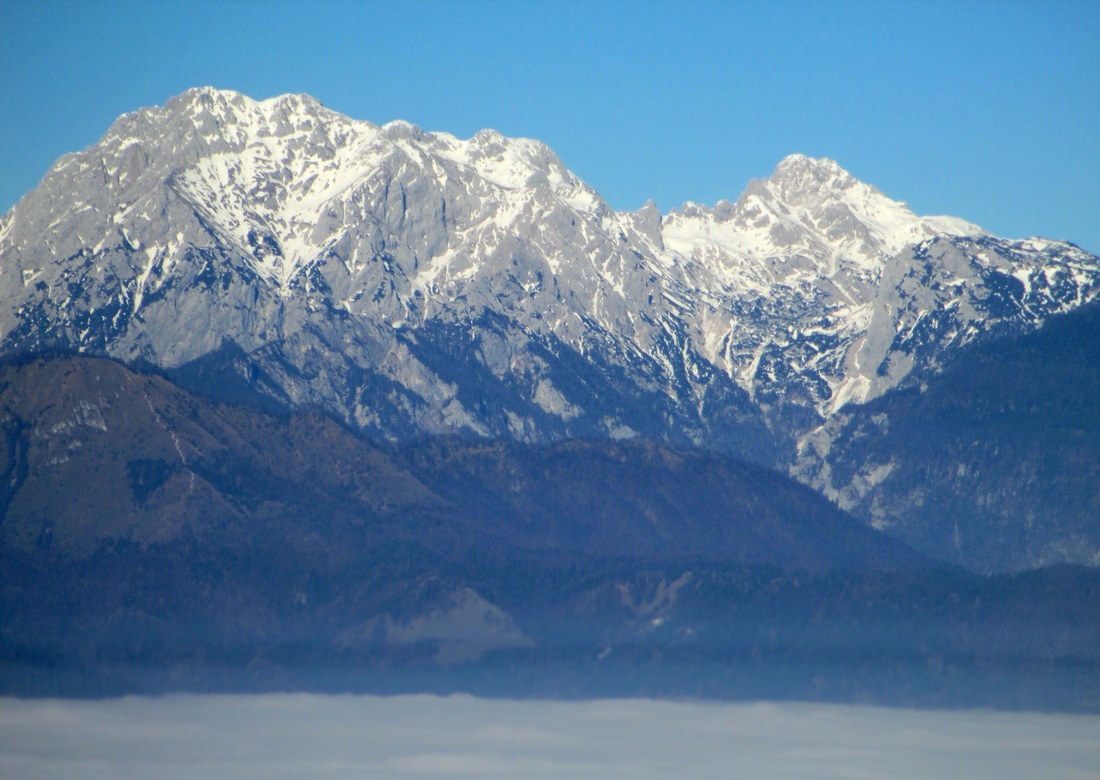
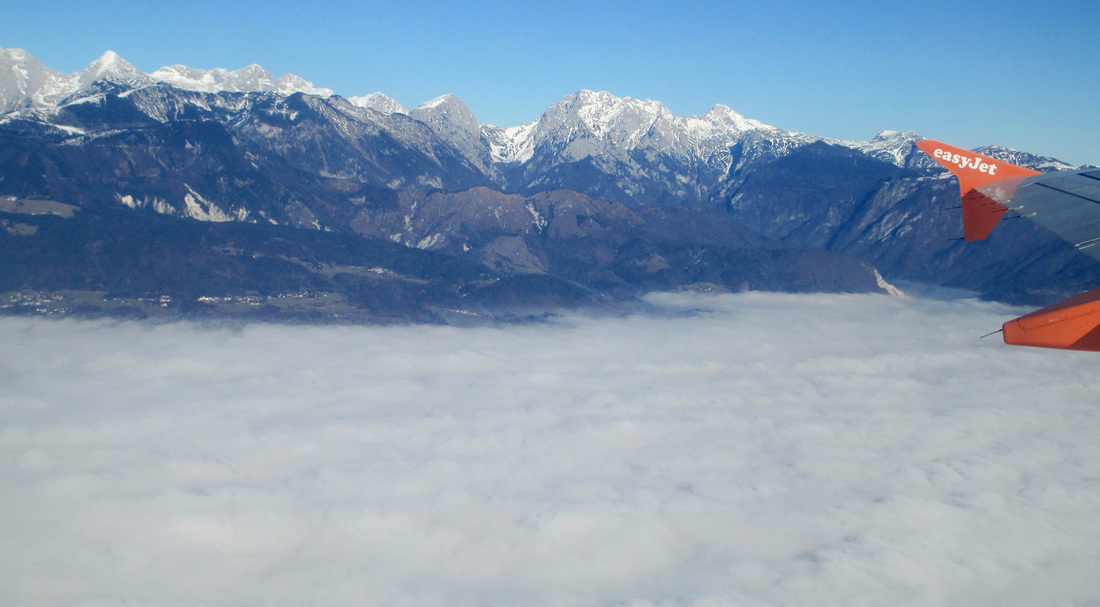
You get the most amazing view of the Julian Alps from the plane:
Picture

Picture

The city is small, and everything is within walking distance.
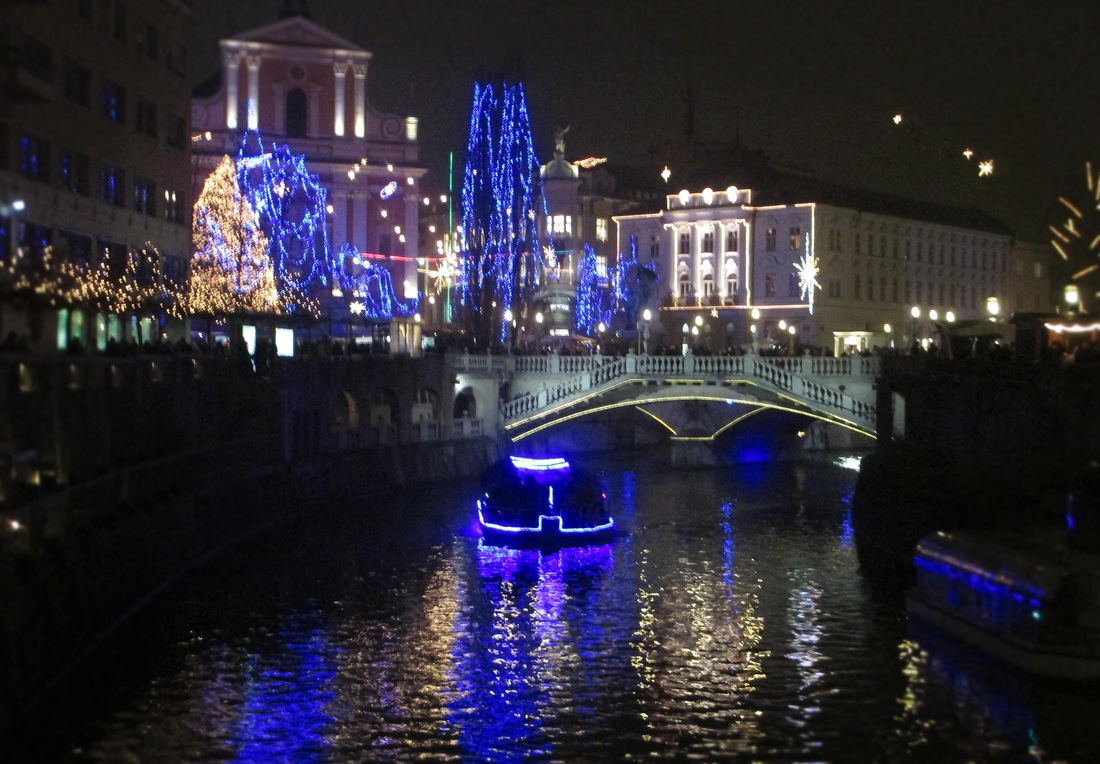
The city centre is very pretty, and in December there is a nice Christmas market which keeps the town busy despite the cold.

CHRISTMAS MARKET:

The Christmas Market is not a large as its counterparts in Germany, but it was still very nice. You get a glass of mulled wine for about €2, and the same for roasted chestnuts.The city is also nicely decorated with Christmas lights.

Picture

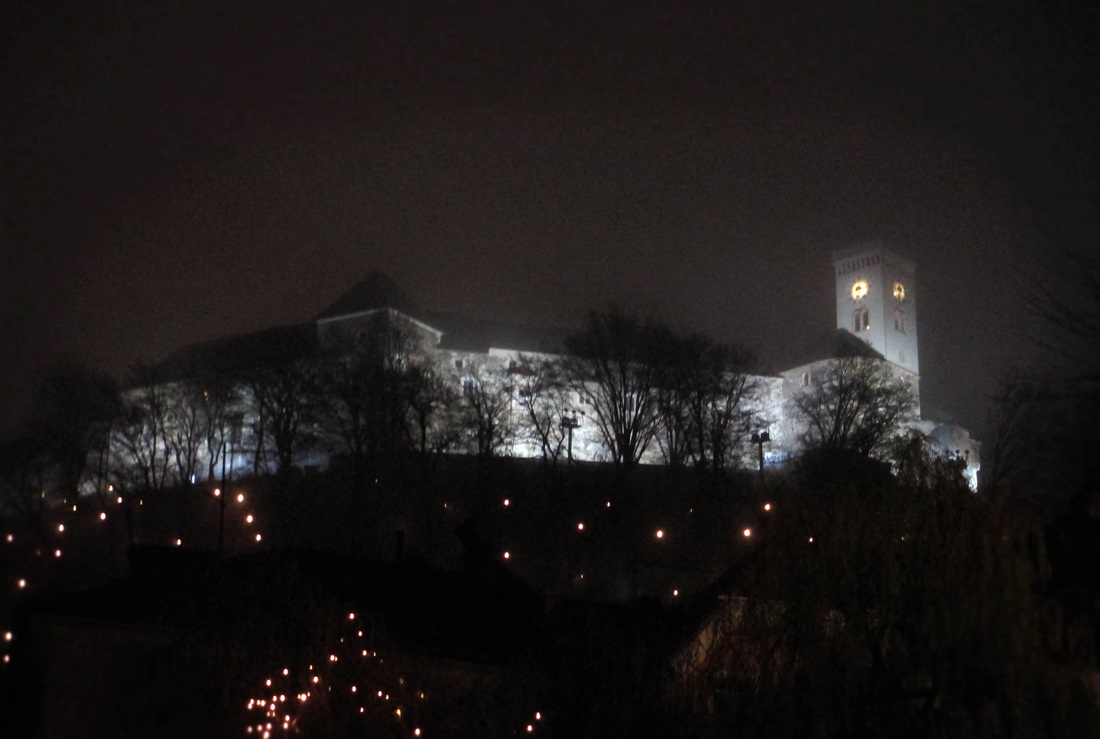
LJUBLJANA CASTLE:

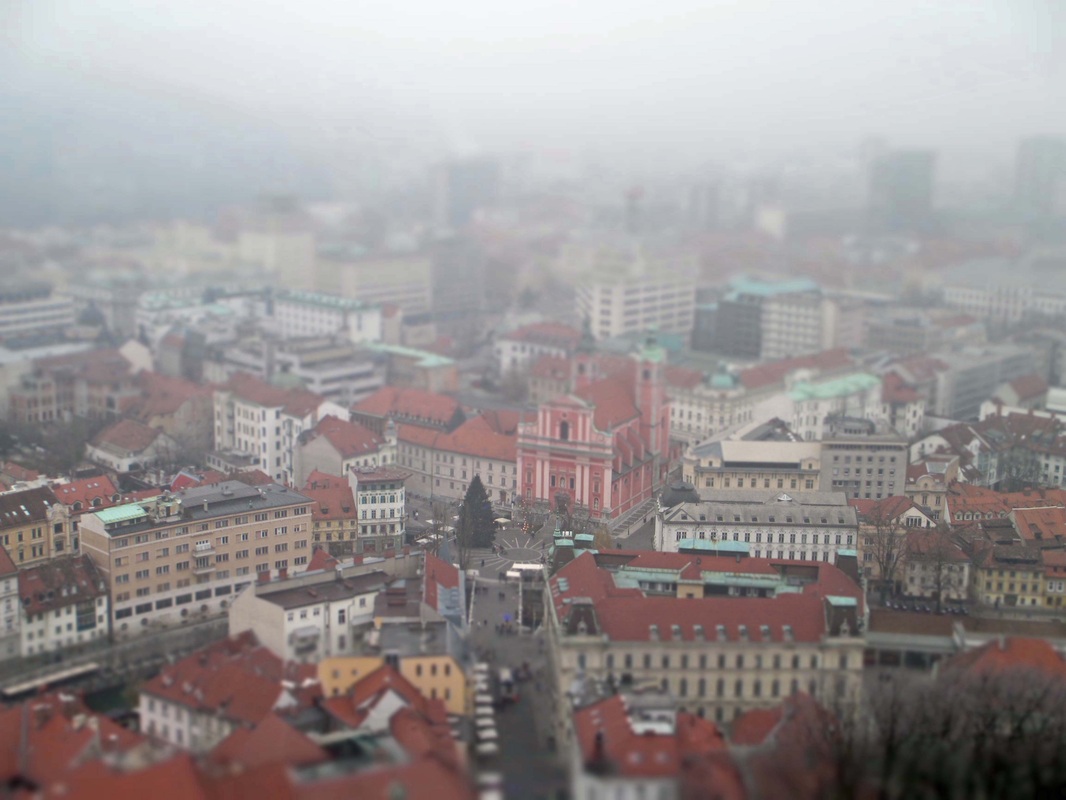
The castle has nice views of the city, which is the main reason to visit. It also has a ‘virtual tour’ which tells the story of the castle, and other activities.Entrance at €8, including funicular transfer.

Picture

Picture

TIPS

  • Drinking: Union lager, a local beer, was okay but nothing exceptional.
  • EatingFoculus Pizza is a nice pizzeria with lots of options, and the menu is helpfully split to show veggie options. Dinner for two with a drink costs around €25.
  • Nightlife: Tabor is an up-and-coming area, where you will find Metelkova Mesto, a squat with six clubs. The area is also full of nice graffiti.
  • Stay: We stayed at the nice Sax Hostel, which we found through Hostelworld. The hostess was very nice and helpful, and the accommodation was good and close to the city centre. There is also a Pub downstairs.
  • Money: The currency is the euro, which makes things easy. Prices are cheaper than London, but comparable to other European countries.
  • Taxis: are easily available, but booking in advance is a good option as you get significant discounts.
  • Airport transfer: buses to the city centre a few and far in between (once every one or two hours), so if you have the option the best thing would be to book a taxi in advance.
  • Language: English and Italian are widely spoken.
  • Weather: it’s very cold in the winter, so it’s probably a good idea to visit when it’s warmer (although summer can be too hot). This would also be the best time to visit other cities in Slovenia, such as Bled.
Picture

THE 5-MINUTE TRIP PLANNER: 2 DAYS IN BATH

  • Go: Take the train from Paddington at around 11am (get anytime return tickets from around £54).
  • Sleep: The Harington’s has rave reviews and at £87 per night on weekdays is a good choice – it’s right in the city centre, with nearby cafes and lots of amenities.
  • Do: Visiting the Roman Baths is a must, but for a relaxing break head to the Thermae Hot Spa. For £26 for two hours, you can indulge in a hot bath with amazing views of the town. With no advance booking, this is perfect for a last-minute getaway.

The 5-minute trip planner: Planning a short trip in no time.

FOUR DAYS IN REYKJAVIK

We were looking forward to this trip as we planned it ages ago, and it was great!

Iceland is a very easy place: things work, people are nice (and everyone speaks English), everything is good quality and it’s very chilled out. A great place to go to wind down. Also great for all things nature.

TOURS:

Everything in Iceland is done through organised tours. These are the easiest way to get around and prices are good for what you get.

It is really easy to book things – you can do it in advance, at your hotel, at the plane, at the bus terminals… you really can’t miss it. And you can normally do it on the day of the tour as well, which makes it really easy.

In the winter tours are subject to last-minute cancellations, but most tours are refundable or you can choose to go on another day if available. Tours pick you up at your hotel so again it’s very convenient.

The most popular tour provider is Reykjavik Excursions.

Icelandair was the tour provider we used and they have many options. They use Reykjavik Excursions as their tour provider.

WHEN TO GO:

We went in the winter to see the Northern Lights, but it seems that is only popular with the British. The high season is actually in the summer.

In the winter it is very cold, and you will always risk having your day tours cancelled because of poor weather conditions (we were going to do a glacier walk but that was cancelled), so you should take that into account. In the summer you can go whale watching and it’s also the best time to go to the national parks to see geysers and waterfalls.

The winter highlight is definitely the Northern Lights – if you’re lucky enough to see them (we were). The heating is very good everywhere, so at least you don’t feel cold when you’re inside places.

NORTHERN LIGHTS:

You have to be lucky, but this is definitely the highlight of any trip to Iceland.

Because the weather is so unpredictable, tours are often cancelled, or worse – you might be driven around in the middle of the night and not even see anything!

We were very lucky to see it – the night before tours went but the lights were not there to be seen, and in the two days that followed our trip the tours were cancelled. If your tour is cancelled you can do it on the next night.

There’s no point trying to photograph it unless you have a SLR. Normal point and shoot cameras will not register anything. Which is just as well because the lights move around quite quickly and you wouldn’t want to miss it!

Be prepared to feel cold. The whole set up is a bit difficult, as you’re just driven to the middle of nowhere, get off the bus and wait around in the cold for an hour or so before you even see anything. As someone said when we were there “this whole experience would be much improved by the availability of deck chairs” (and blankets, I would add). You really need to layer up for this.

BLUE LAGOON:

We hadn’t booked this tour originally, but decided to go as people were raving to us about it.

It’s the easiest thing to book – we just turned up at the bus terminal 20 min before the departure time and straight away were on our way.

The tour cost about £50 per person and can be booked here.

This was really lovely and definitely worth it – the contrast between the hot water and the cold outside makes it a great winter activity, and the setting is also very nice.

Tips:

  • There are clay masks on the sides of the lagoon, and you can just put them over your face while you bathe. These are free.
  • The queue system to get into the building is a bit silly, and you have to queue up even if you already have a ticket. Make sure to go straight to the queue when you get there to save time.
  • You can also get extras such as robes and towels, or you can bring them with you.
  • Lockers are available outside the building for large luggage (as many people stop at the Blue Lagoon to or from the airport) at a cost, but they are also available for free inside the building for you clothes etc.

REYKJAVIK CITY CENTRE:

There isn’t that much to do in Reykjavik, but it’s quite nice and very easy to walk around. The main street is called Laugavegur, where you will find most things.

  • Hallgrímskirkja Church: this is the ideal place to go to see the sunset if the weather is good. You get whole views of the city and the mountains in the background
  • Street art: there’s lots of very nice street art around.
  • Harbour: The harbour is a nice place to go to if it’s dry. This is also where the Harpa (Opera house) is. It’s a lovely building designed by Olafur Eliasson and definitely worth a visit just to look around.
  • The settlement exhibition: this is an exhibition in the city centre, and a good option for a rainy day.

NIGHTLIFE:

Reykjavik is a quiet and small city, but there are nice places to go to at night in the city centre. Here are a few (all in the main road):

  • Lebowski: An American-style bar that is quite popular. They show football and have live music on.
  • Dillon: A rock bar that also has live music occasionally.
  • Bravó: A chilled-out bar made better by the manager, who is quite chatty and likes to talk about music with the customers.
  • Listings: there are two local free publications which are useful: What’s On, which is definitely worth a read as it’s as hilarious as it is useful; and Grapevine, which is good for gigs.

FOOD:

Glo is a great find with mostly vegan and veggie food. They serve a few dishes everyday, all accompanied by a generous side salad. There are lots on offer and you can pick three types of salad for your dish. Prices are around 1800isk per dish.

If self-catering, Bonus is the cheapest supermarket, but smaller shops which are open 24h are also available.

DRINKING:

Alcohol in Iceland is slightly more expensive than in London, but most bars have happy hours with 2-for-1 or half-price deals, including for beers.

Another option is to buy alcohol at the government-run Vinbod (or something like that), which are not always open on Sundays and are not easy to find. There’s been in supermarkets, but those are very light at about 2%.

Our favourite beer was Viking Classic, and we tried the local spirit (schnapps) Brennivin which tastes pretty much like vodka.

ACCOMMODATION:

Most packages will include accommodation, and there are many options to choose from.

We stayed at Klettur, which we chose only for the price, but it was very nice and centrally located. Staff was really helpful and even made breakfast early (at 4am) on the day we left because there were a bunch of guests on an early flight that day.

SHOPPING:

Although our travel guides said otherwise, most shops close on Sundays. Things are not cheap, but there are nice knits and things like that.

This slideshow requires JavaScript.