A WEEK IN THE OLD YUGOSLAVIA: SARAJEVO, BOSNIA

We got on a bus from Mostar at 11 in the morning. The bus service to Sarajevo is frequent and tickets cost about £8.

The trip was supposed to take two hours but again it took longer than expected, nearly three hours. But this is forgiven because the views are amazing, passing through sunny valleys and snowy mountains.

The bus station in Sarajevo looked a bit rough, but most people were helpful and spoke a little English, so we managed to find our way around alright anyway.

Tram n.1 departs from the railway station (next to the bus station), and gets to the city centre in about 10 minutes.

sarajevo5_for web

Although we had been enjoying the sun at the beginning of our trip, we were greeted by snow and rain in Sarajevo. I’m not sure what I expected from Sarajevo, but somehow the bad weather seemed to fit with the place, despite making it a bit offputting for tourism.

Similarly to Mostar, in Sarajevo the war still seems very recent. Many landmarks (such as the yellow Holiday Inn where journalists reported the war) have something to do with war. But this is also the place of the assassination of Franz Ferdinand, which triggered the start of WWI.

The Old Town (Stari Grad) is very nice and picturesque, with nice bars and cafes around. At its heart is the Baščaršija, the old market with stalls selling souvenirs and all sorts of things.

The bad weather definitely had an impact on how much we were able to see, so we preferred to stay close to the hostel. We went for Cheers Bar for drinks, and then were were on the road again.

HOW TO DO IT:

  • Getting there: Sarajevo is often visited by tourists on their way to and from other places in the region, but there are some options for flying in as well.
  • Travelling by bus: We travelled by bus a lot on this trip. We had no problem buying tickets one or two days in advance, as it’s not possible to book anything online. The routes we travelled were all common, but sometimes we only had one option of departure time (often a very early start). Buses depart on time but somehow always end up taking longer en route, possibly because of the local landscape – which is beautiful, but doesn’t make for fast journeys.
  • Stay: Thee are many options from Hostelworld – we stayed in a place which I don’t really recommend. Staying close to the Old Town is the best options, as everything is nearby.
  • Money: Euros are commonly accepted in Bosnia, especially in hotels, shops and businesses around touristy areas.
  • Read: I started reading ‘Twice Born’ by Margaret Mazzantini after we came back from the trip. The novel is set in Sarajevo during the war, and it’s a great read – definitely captures the spirit of the place.

A WEEK IN THE OLD YUGOSLAVIA: MOSTAR, BOSNIA

We left Croatia early in the morning in a bus to Mostar.

Bosnia is very close to Croatia, but with three border crossings along the way (Bosnia-Croatia-Bosnia), expect the journey to take at least a good four hours, regardless of what any guide will tell you.

The bus journey goes alongside the Croatian coast and then onto the Bosnian countryside, with scenic views all the way.

Once you’ve crossed the third border into Bosnia, it quickly becomes clear that this country is still recovering from the war, the many derelict buildings and bullet holes an evident reminder of its recent past.

MOSTAR:

mostar9_for web

I was looking forward to visiting Mostar. The view of the Old Bridge is stunning, and undoubtedly what warranted the town’s Heritage site status. Mostar is in Herzegovina, the southern part of the country.

The Old Town is scattered with souvenir shops and restaurants. There is lots of handicraft on sale, including copper jewellery and coffee sets, which are often made in workshops nearby. Prices are extremely low as compared to anything in the UK. As ever, we bought nothing.

We stopped for lunch at Kulluk. This could easily have been a tourist trap, but this being low season we had a nice lunch with views of the bridge for about £10 for two including tips – portions in Bosnia are normally quite large, and this was no exception.

What is clear all around Mostar is how recent the war is. The bridge was completely destroyed in 1993 and reopened in 2004 (there’s horrible footage of it being destroyed here). Venture outside the Old Town and all around there are buildings completely covered in bullet holes, a grim contrast to the beauty of the little city centre. War memorabilia is ubiquitous (bullet case souvenir, anyone?).

The place is at once beautiful, nostalgic, and poor – walking around the near empty streets at night it’s clear why everything is so cheap: there isn’t much money going around here anyway.

We went for a beer early in the evening at Black Dog Pub, which came highly recommended on TripAdvisor. You can have a pint for less than £1.50, which should be enough to justify the visit, but it’s actually a nice place, with a relaxed atmosphere and clearly a place for locals as well as tourists.

The place was quite full, as was Sadrvan, a traditional eatery that was completely packed on a night where every other restaurant was dead empty. This is the place to visit (we hear) if you want to try the local fare. The food was really nice, again the portions were massive (order olives and you get a whole jar) and the service was friendly. Vegetarianism hasn’t really made it to Bosnia yet, and veganism is definitely alien – even the roasted vegetables (delicious) had cheese on them.

HOW TO DO IT:

  • Transportation: Mostar is normally visited by tourists on the way to Sarajevo or Dubrovnik. Buses from Dubrovnik to Mostar leave a few times daily, and although the distances are short, be prepared to spend more than four hours on a bus. The main terminal in Dubrovnik is easily accessible by bus from the city centre. Tickets cost 110 kunars per person and can be bought at the bus terminal in advance or on the day.
  • Accommodation: We stayed at Elite Guesthouse. For 25€ we stayed in a large and comfortable bedroom with a massive ensuite bathroom. Everything was sparkling clean. Our host, Mesa, was really helpful and really takes pride on his nice hotel. Many people only stop in Mostar for a few hours on their way to Sarajevo, but I recommend spending a night there, before heading to Sarajevo.
  • Money: Everything is extremely cheap, even in the touristy areas. The currency in Bosnia is the Convertible Mark, but many places accept euros.

A WEEK IN THE OLD YUGOSLAVIA: DAY TRIP TO MONTENEGRO

Montenegro was our second stop in our Eastern European break.

Not knowing much about Montenegro and having a limited amount of time, we decided to take a day trip with Amico Tours.

We left Dubrovnik at 8am, when we were greeted by our guide, Zof. He was friendly and well-informed, providing commentary along the way. There were eight of us in a minivan.

The tour goes around the coast with amazing scenic views all the way. There were two main stops: Kotor and Budva.

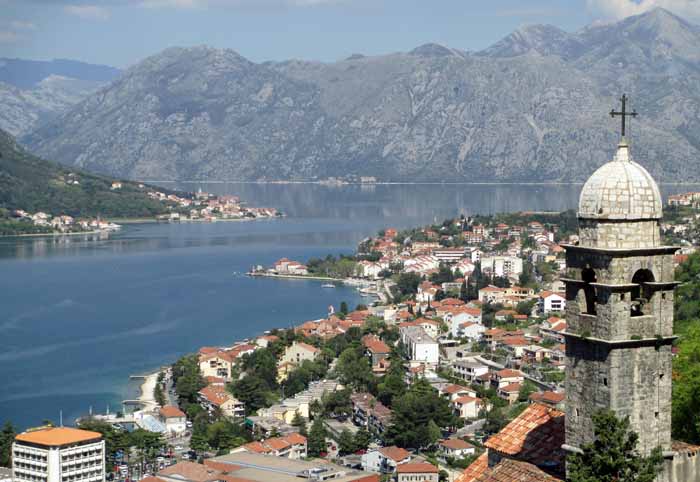
kotor view 3_for web

KOTOR:

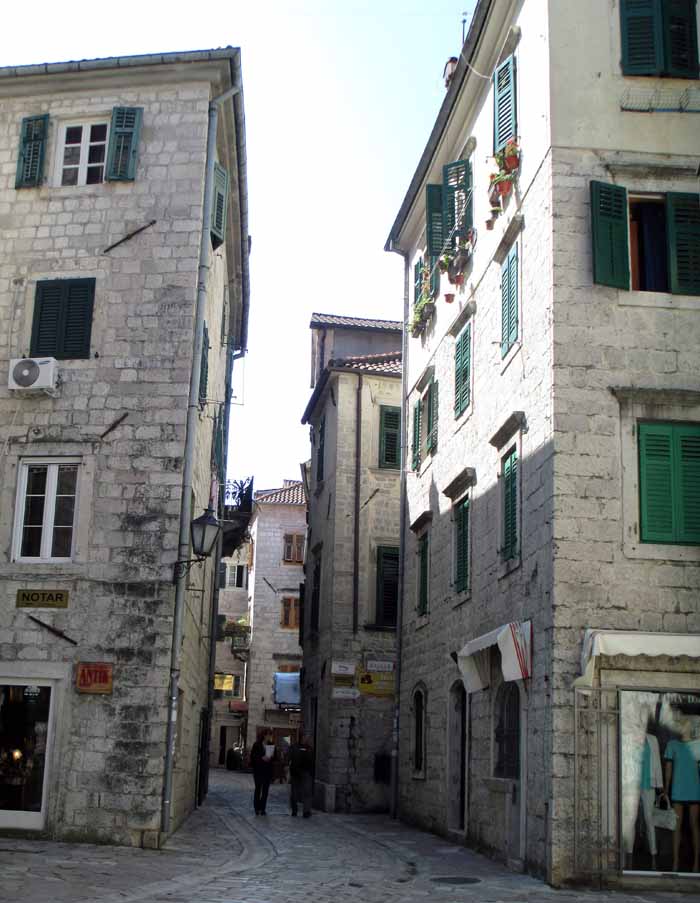
Kotor is very deservedly a Unesco Heritage site. The Old Town is a lovely little maze with stunning mountain views in the backdrop. The streets are full of cafes and restaurants, touristy but still very authentic.

kotor 6_for web

From then, you can hike up to the fort, which is definitely the highlight of Kotor: 45min uphill you get breathtaking views of the bay, and although there are pictures below, they definitely don’t do justice to the place: it was just perfect.

We were extremely lucky with the weather, very sunny but mild, making it an ideal day for this trip. This was an absolute highlight – I’d definitely come back to spend a couple of days exploring the little corners of Kotor.

BUDVA

Our second stop was in Budva, which is more popular than Kotor with the tourists. Having said that, it doesn’t seem to have the same character.

It also has a little charming old city centre and nice views to the beach, where we had a nice pizza.

Finally, we hopped on a ferry from Tivat and started making our way back to Dubrovnik, where we arrived at about 6h30. It was a great day trip, and a very good introduction to amazing places I had never even heard about. It was just really great to go there.

HOW TO DO IT:

  • Getting there: it can be a bit tricky to get to the coast of Montenegro, so a day trip may be the easiest approach. Otherwise, fly to Podgorica (the Montenegrin capital) as a starting point. From Croatia, there are twice-daily buses from Dubrovnik, but the timings do not work very well for a day trip.
  • Tours: there are lots of tour operators in Croatia offering day trips to Montenegro, but booking before you get there can be a bit tricky. I chose Amico tours because they had good reviews online. We booked it over email and paid on the day – friendly and easy, recommended. The day trip cost 50€ per person, a fair price.
  • Money: Montenegro is not part of the EU, but their currency is the Euro, which makes things nice and easy. It’s not particularly expensive – our nice pizza by the sea cost around 8€.

A WEEK IN THE OLD YUGOSLAVIA: DUBROVNIK, CROATIA

A few months ago I wrote about the trip we were planning to Eastern Europe. Our plans worked perfectly, and our trip started with three days in Dubrovnik, on the Dalmatian coast.

Dubrovnik was one of our favourite places in this trip: beautiful, scenic, and relaxing. It has an Italian feel to it, and it has become quite popular with the tourists in recent years.

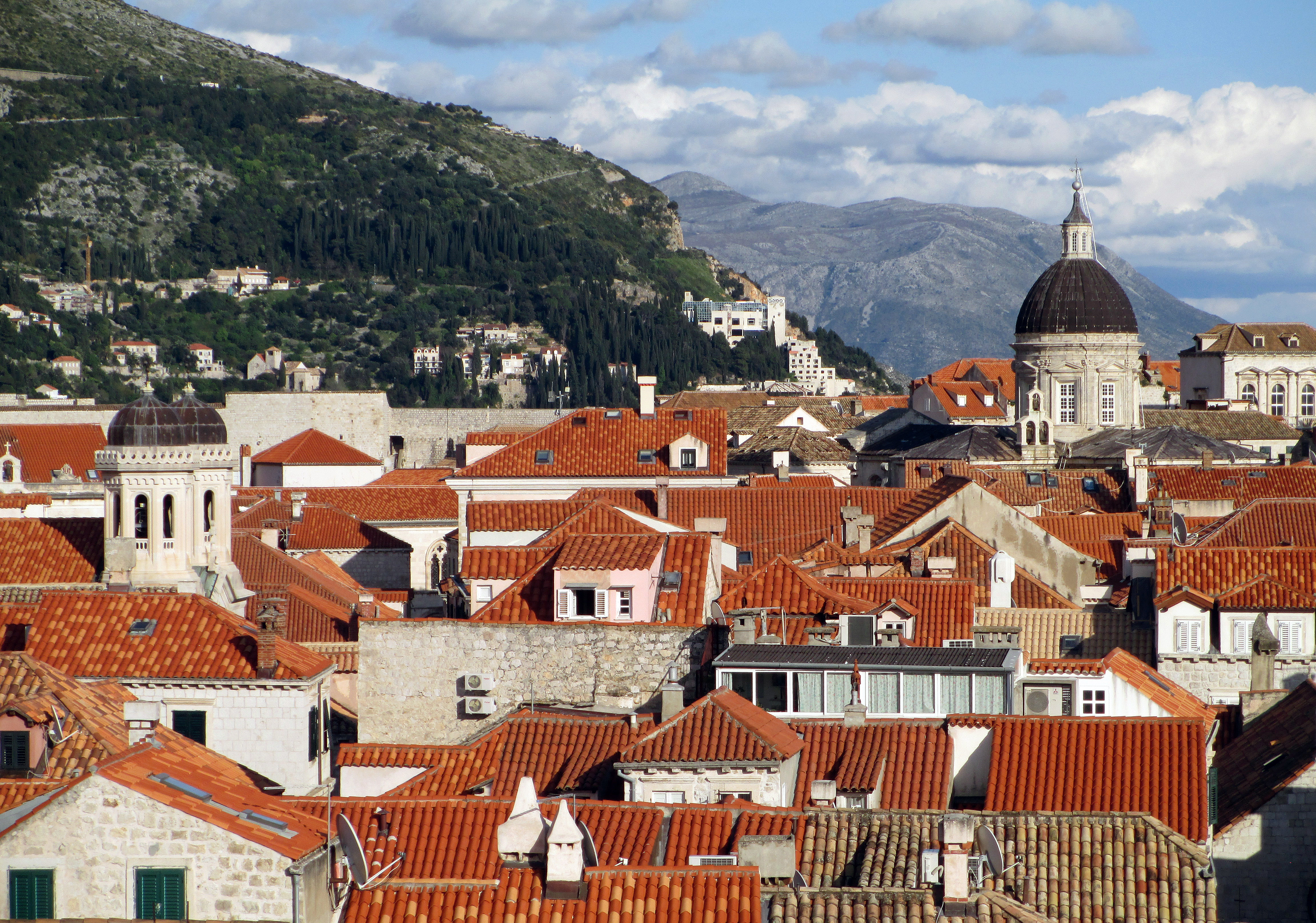
old town 5

THE OLD TOWN

The Old Town is where most attractions are, a scenic little city centre enclosed by fortress walls and by the Adriatic sea, where you can lose yourself eating ice cream and drinking local white wine.

The city walls are a nice attraction: you can walk the length of the walls (about 2km), getting views from the Old Town, the coast, and the mountains. Breathtaking!

LOKRUM

The island of Lokrum is a national reserve which can be reached in 15 minutes by boat from Dubrovnik. Boats leave the small port in the Old Town every hour (more frequently during peak season) and a return ticket costs about £10.

There are many attractions in the island, including beaches and a botanic garden, but the main highlight is Fort Royal, located at a steep hill, which gives amazing views of Dubrovnik.There are lots of peacocks roaming around, and we were lucky to spot a beautiful hoopoe flying around.

A great little day trip!

FOOD

It’s easy to eat in Croatia as the food there is quite European.

The local wine is widely available and very good, I especially enjoyed sampling white wine as it was quite warm. There are lots of ice cream stands and you shouldn’t miss them, it’s always delicious.

The only vegetarian restaurant, Nishta, is at the heart of the Old Town and provides good food and a friendly service.

Mea Culpa is a nice pizzeria, and it was quite busy on a night where everywhere else was empty. We were sharing a pizza and it came helpfully cut in half. A pizza and two drinks cost around £18 including tip. The fact that ‘Stray Heart‘ was playing when we were there may or may not have influenced my opinion of the place.

HOW TO DO IT:

  • When to go: The high season (summer) is warmer, but we were told that Dubrovnik gets too packed in July-August, when most tourists and massive cruises arrive at the same time. We went mid-April, which was perfect: not too crowded but busy enough, with mild temperatures, but not beach weather yet.
  • Getting there: There are lots of flight from London, but most companies only go to Croatia during the high season (May to September). We went with Norwegian, as they had daily flights departing in April.
  • Stay: We stayed at Stella Jadre apartments, where we had our own kitchen and terrace. Jadre is a friendly hostess, keen to give directions and help out. The place is located just outside the Old Town, which is ideal. There are many other options available at Hostelworld.
  • Transport: There are plenty of public buses, ferries and taxis around, and it’s easy to get to places. Transfer from the airport in a shuttle bus costs 35 kunar (about £4), with scenic views all the way. Regional buses from the bus terminal are cheap and accessible, and a good way to see more of the region.
  • Money matters: £1 equals about 9 kunars. Croatia is cheaper than England, but not massively. Konsum is a local supermarket (omnipresent in the countries of the region) with good prices for those self-catering.

A WEEKEND IN BERLIN

Berlin was great – as always.

This was my third time in the city and I still haven’t seen enough. It gives me a reason to come back though.

Berlin is a big city with lots of different neighbourhoods, so there’s lots to explore. We stayed in Alexanderplatz, which is very central.

DO:

Many of the main sights are close together along the river Spree.

Start at Potsdamer Platz then make your way to the Brandenburg Gate, where tourists gather to take pictures. Right nearby is the Holocaust Memorial, with uneven columns that create a sense of unease.

Next, walk to the Reichstag. The building has a transparent dome by British Architect Norman Foster. It’s free to get in but you need to book in advance.

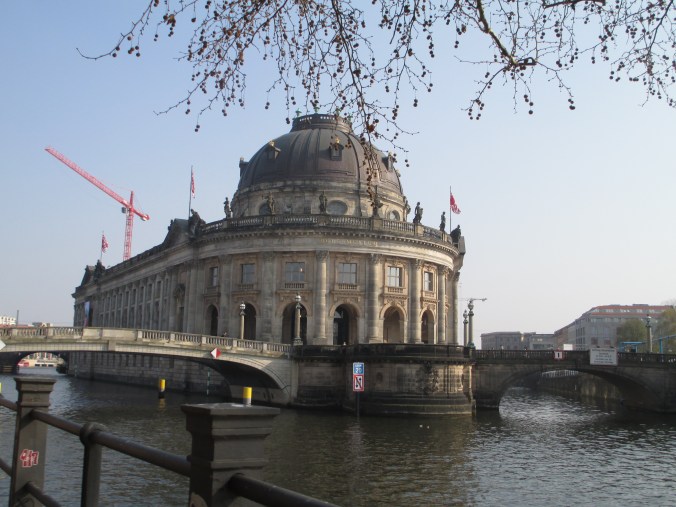
From there walk along the river to reach Museum Island, then stop for a beer in one of the many restaurants by the river.

If you’re so inclined, get on the subway towards Checkpoint Charlie, completing the tour of the main attractions in the city.

IMG_0440
IMG_0447
IMG_0450
IMG_0452
IMG_0455
IMG_0475

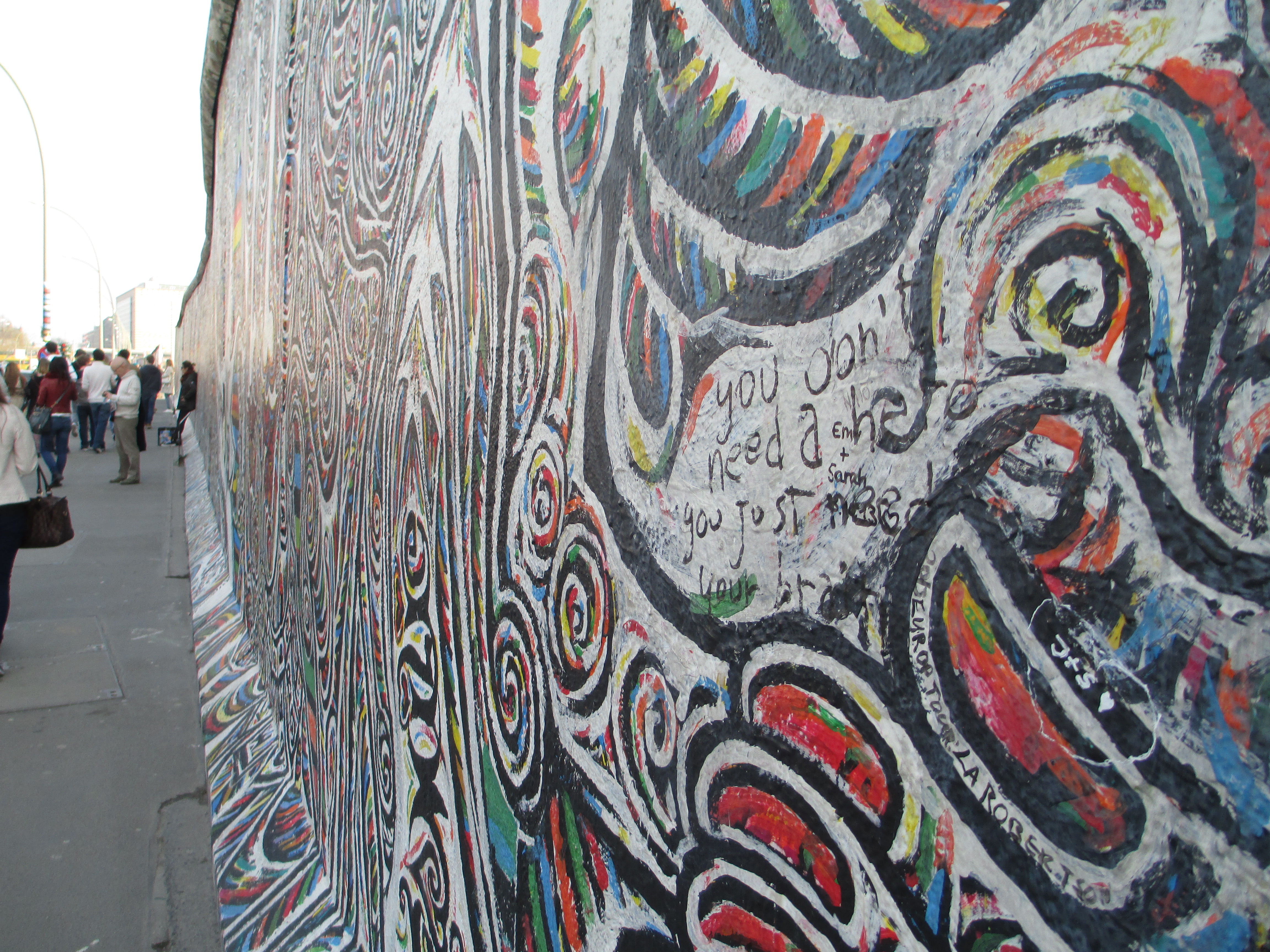
Another highlight is the East-Side Gallery, where large sections of the Berlin Wall have been decorated with colourful paintings.

After taking some pictures (non-optional), head north to Friedrichshain. There are many nice cafes around.

IMG_0459
IMG_0460
IMG_0462
IMG_0464
IMG_0467

We were there over the weekend, so on Sunday we learned it was time for brunch. We went to Prenzlauer Berg – there were lots of lovely places around, you can choose anywhere and it will be just perfect!

Nearby is Mauerpark, with a massive market selling all sorts of things. It was packed, and really nice.

HOW TO DO IT:

  • Getting there: lots of flights are available from London, and it only takes 2 hours to get there.
  • Getting around: you can do a lot on foot, but the subway is the easiest way to get places. There are lots of options for tickets, but day passes are probably the most useful for short trips.
  • Stay: Location is key, so choose a neighbourhood before deciding on the accommodation. We stayed at Schoenhouse Aparments, in a very large flat that was just perfect, highly recommended!
  • Drink: There are lots of restaurants, bars and cafes in Berlin, so you’re never out of choice. Mitte, Friedrichsain, Kreuzberg and Prenzlauer Berg are all good neighbourhoods for drinks or a good night out. German beers are great so that is never a problem in Berlin!
  • Eat: German food is nor particularly veggie-friendly, but veganism is quite popular at the moment, so we had no problems. We had perfect samosas at Mama India and a great Vietnamese dinner at Chen Che.

TRAVEL WRITING: THREE FAVOURITES

Travel blogging is 20 this year (apparently this was the first-ever travel post), so here’s a small selection of a few good travel writing resources (not blogs though, all good old-fashioned print):
  • National Geographic Traveller magazine: I’ve had a subscription for a couple of years now, and it’s still my favourite travel magazine. There are lots of resources, and they always seem to go to places that I want to visit. Plus last year they printed one of my photos!

My photo which was printed on National Geographic Traveller

  • Maps, by Aleksandra Mizielińska and Daniel Mizieliński: I got this as a present recently, and it’s amazing! The illustrations are so beautiful, perfect!

  • Around the World in 80 Days, Jules Verne (available for free, here): A classic. The travel channel is showing a rerun of Michael Palin’s recreation of Phileas Fogg journey, and it is just fantastic. Cheap air travel has changed our perception of distances, but overland travel always offers a different view of places and time.

TRAVEL WISHLIST: JORDAN

Jordan is one of the top places in my list at the moment, but I want to get it right (which basically means ensuring I have time to see everything I want there).

The main reason I wanted to visit at first was Petra:

Photo from Wikipedia

The place looks absolutely amazing! And you can even see it live through this great Earthcam.

But now that I’ve started doing some research I’ve realised there’s much more to see: a day trip to the Dead Sea is a must, and visiting Wadi Rum must be a surreal experience:

Photo from Wikipedia

HOW TO DO IT:

  • Go: there are plenty of flights from the UK, but tickets are not cheap at around £400 return.
  • Weather: avoid the summer as temperatures get way too hot.
  • Travel around: buses and taxis are the easiest way to travel around in Jordan, are not too expensive, and can be booked when you’re there.
  • Stay: Petra Guesthouse is the best accommodation in Petra in terms of location, but don’t forget to spend a night in a Bedouin tent for a unique experience.

LOOKING BACK: 10 DAYS IN DONETSK

Today this blog got its very first comment – exciting! And this comment reminded me of an unusual trip from a couple of years ago…

We managed to get (relatively) cheap tickets to the Euros in 2012, which was held in Poland and Ukraine. But there was a catch: we got three tickets to games in Donetsk, which meant we had to spend 10 days there.

We didn’t know anything about Donetsk, but we knew it had a state of the art stadium, the home ground to Shaktar Donetsk. Being the adventurous people that we are, off we went!

Now this was one of those trips where not much goes according to plan:

  • There are no direct flights, so it takes about 8h to get there, with a lengthy stop in Turkey on both ways;
  • Because of the Euros, the very few options for accommodation were already booked. We managed to rent a slightly overpriced flat through Airbnb, in one of those traditional buildings from the Soviet era;
  • On the first night, torrential rain meant the very first match we went to see was postponed for about an hour or so. Not a massive deal, but we got back to our flat only to realise that power cuts are quite common in Ukraine;
  • Ukraine is a massive country, and we didn’t really have time to travel around since every three days we had to be back in Donetsk;
  • So the only thing to do was watch football and walk around the city centre…
12bd214bb24b829955fb77759025e1cdff0dc910
…but we had a great time!

I have no plans of going back, but spending 10 days in a place that not many tourists visit was a really fun experience.

  • People were really nice. We were stopped on the streets, photographed and even interviewed! Locals wanted to know what we thought about Ukraine, and loved when we said we lived in England – Donetsk is the industrial heart of Ukraine, and they are fascinated with anything English.
  • Everything was incredibly cheap. We spent our days sampling the local beers and vodka (at only £6 a bottle – in a restaurant).
  • This was the first time we travelled to a big sporting event, and now we do it as often as we can. We’ve travelled for hockey in Belgium and football in Sweden, and this year we’re going to the World Cup in Brazil.
  • We saw some good matches, including England v. Ukraine. The local fans were incredibly nice given that we were the only England supporters on that side of the stadium.
  • We watched one of the semi-finals in the lobby of a 5-star hotel. At home I probably wouldn’t even be allowed into a 5-star hotel, but in Donetsk we were very welcome. Who would have thought that they’d bring us free crisps with every pint?
  • On that very first night, after the power went out we decided to go to the local convenience store where people were watching the England match (being played in Kiev) on a tiny TV. We talked to local football fans, drank cheap beer, then went back to the flat. It turned out to be quite fun!

TRAVEL RESOURCES: ROME 2 RIO

I was planning a trip to Eastern Europe recently (details here), and had the chance to try a website that I’d heard about but hadn’t used yet.

Rome 2 Rio tells you how to get from one place to the other, which seems pretty simple but it’s quite handy for trips with many legs or for when you’re not going to major cities with frequent flights.

The site gives you several options through bus, train, plane etc, so you see all options in a single place. The picture below shows how simple it is:
Picture