


A relaxing weekend in Budapest was a great way of finishing out trip through Transylvania. I’d been to Budapest twice before, so all I wanted was a comfy hotel and a day at the thermal baths. Just perfect!
There are lots of thermal baths in Budapest, and the most famous of them is Szechenyi. This impressive building has a massive selection of indoor and outdoor pools at different temperatures, and it’s the perfect place to relax for a day. Tickets cost 4700 HUF per person (around £13).

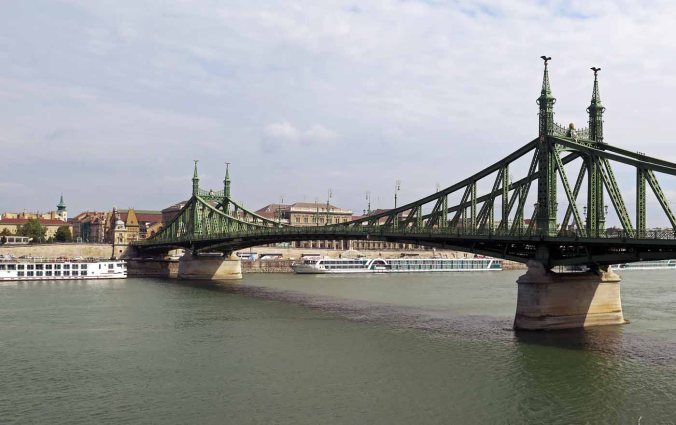
I have a friend in Budapest, and she is the perfect guide. We went for drinks at local brewery Jonas, the perfect place to watch the sun set over the Danube. This is also a great area to walk around.
We then visited one of the many cool bars in the centre. Szimpla is the most famous place (it’s been selected by the Lonely Planet as the best bar in the world a few times), but there are lots of good options around.

Napfenyes Etterem is a vegan place with an extensive menu which includes anything from Hungarian dishes to pizza. Dinner for two including tips cost 5300 HUF (around £14).
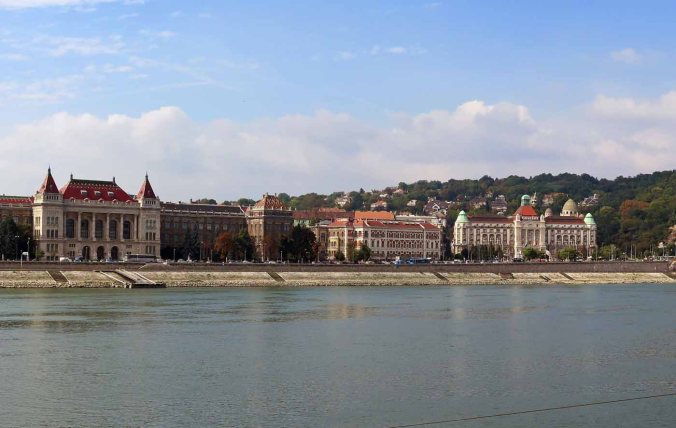
We stayed at Fraser Residences. It is located a bit off the city centre, but it’s easily accessible by metro – or you can walk to the centre too (takes about 20min). Rooms have their own kitchen and washing machine, and breakfast is included. Rooms cost us £60 per night on a sale.

We took a train from Cluj in Romania to Bupadest, which took a little over 8h. There are lots of flights from London and the trip takes about 2h30.



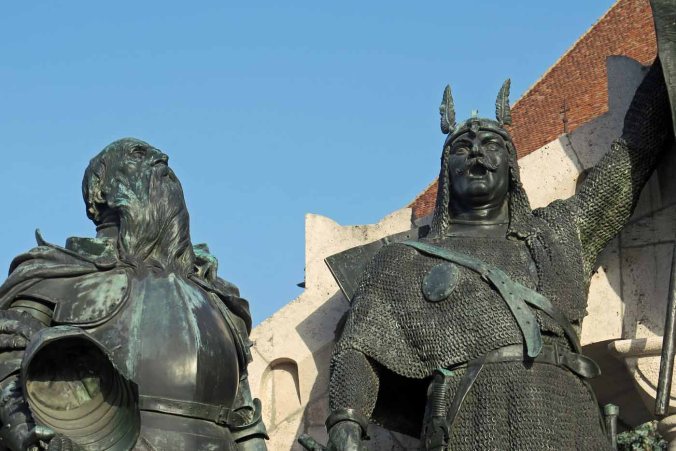
I can’t really say I’ve been to Cluj properly. Our train from Sighisoara arrived after 11pm, and we had another early train to catch the next day. Cluj is the capital of Transylvania, but it’s known more because of its bars than its history. When we got there, there were still many places open and full of people – it definitely looked like a good place for a night out.
In the morning we had just enough time to check out Piata Unirii and its impressive Basilica. Then it was time to say goodbye to Transylvania and on a train to Budapest!


Crossing Transylvania by train has been on my list for a long time. I managed to find lot of information online, but it was not as simple as I expected. Here’s what I learned:
There are many nice places across Transylvania. We arrived in Bucharest, then visited Brasov, Sibiu, Sighisoara and Cluj, which is a lot of ground to cover. Other popular destinations include Sinaia and Timisoara. A shorter itinerary can be done by visiting Brasov and surrounding areas only.

We booked accommodation in advance through TripAdvisor and Hostelworld. But places were definitely not full, so you can probably just book on the day. Accommodation is really cheap, we paid around £20-£30 for two people per night.
We went late in the summer. We got some lovely mild days and some really hot days, but overall it was a good time to go. The weather can be quite extreme both in the summer and in the winter.

You can book many tickets through the official Romanian rail website. Some tickets can be found on the website timetable but cannot be booked online. You can buy tickets at self-service machines on most stations, and those are fairly simple to use.
International train tickets cannot be booked online (you can find their timetable here). You can book those at booths marked ‘International’ at larger train stations.
Tickets were always really cheap – even the 8h journey from Cluj to Budapest cost just 150 lei (£25), and many local trains cost around £5-7. Although we tried to booked everything in advance, you can probably allow some flexibility and book them when you get to Romania.

Trains in Romania are what you’d expect in Eastern Europe: not particularly new, but overall fine. Stations in smaller places often don’t have clear signs, and trains can be quite different from each other: some have private compartments, whereas others just have open carriages.
Trains normally start their journeys on time, but sometimes there are delays along the way. Most trains were not very full when we travelled. Some trains have a restaurant carriage, but mostly we brought our own supplies of snacks with us. I read horrible stories about toilets on Romanian trains so I tried to avoid them, but apparently they’re actually okay to use.

We crossed the border from Romania to Hungary. The train stopped twice (once in each side of the border) and officials came in to check our passports. It was a simple process.
Romanian food is not particularly veggie-friendly, but pretty much all restaurants serve a good selection of salads. There are also lots of options from different cuisines, with plenty of Italian and Turkish restaurants.

What a little adventure this was! Unlike what I imagined, not many tourists cross Transylvania by train. But with some planning, it all went just as expected!
We travelled across beautiful countryside, forests and mountains, and stopped to visit some impressive villages along the way, learning more about the local history (and lots about Dracula!).
This was a unique trip, an unusual scape across a beautiful region.


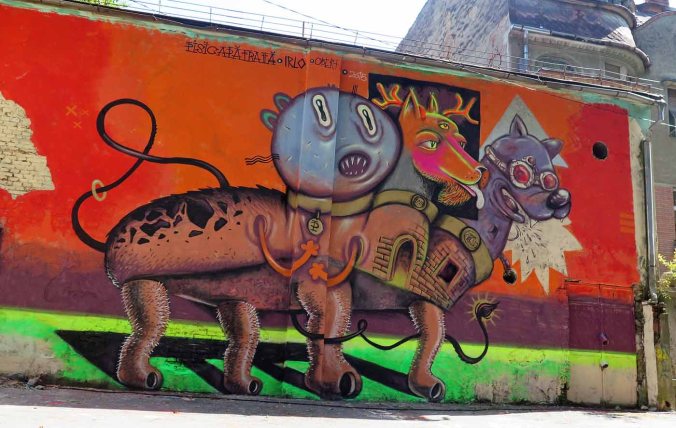
We took the train from Sibiu to Sighisoara in the middle of the day. This was a smaller train with no booked seats, and although it was really hot it seemed like everyone wanted to keep their windows shut.
Again we travelled across Romanian countryside, stopping at little villages along the way.

After dropping our bags at the hotel, we went exploring the old Citadel. Sighisoara is a Unesco Heritage Site, and as soon as you cross the Old Clock Tower Gate, you can see why.
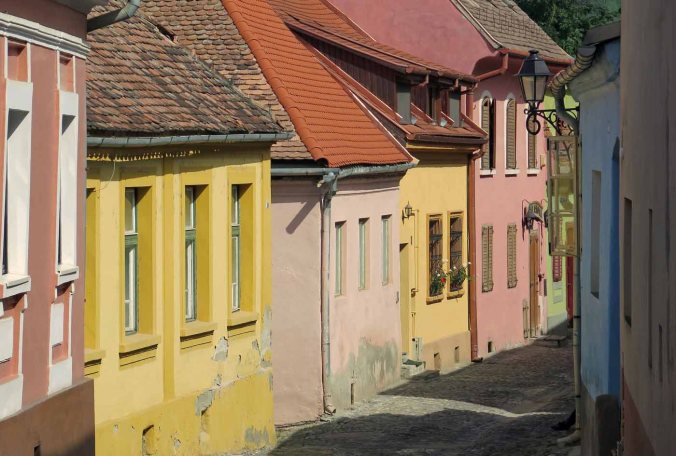
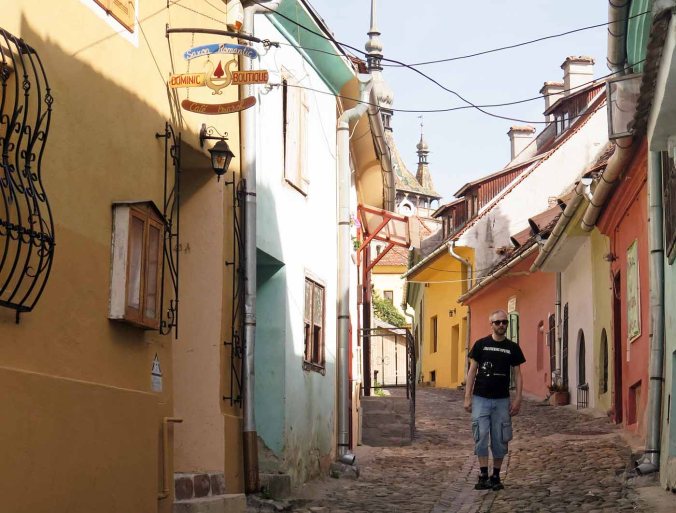
The Citadel is really unique. There are lots of defence towers and other historical sights, and the buildings are all painted in different colours. It was unlike anything I’d seen before, even as compared to other places in Transylvania.
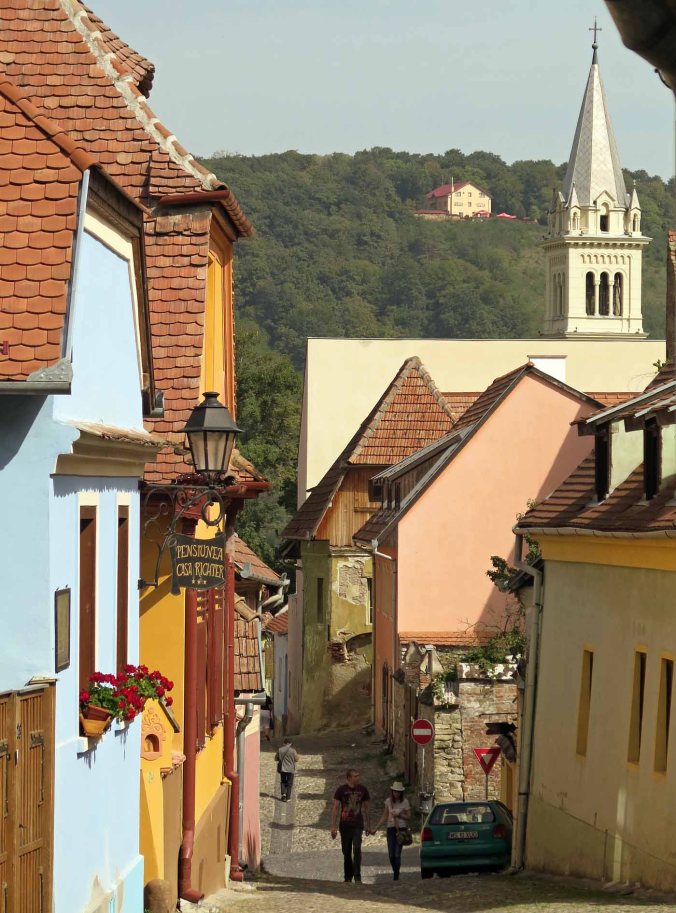
This is also where Vlad, the Impaler, was born and lived until he was 4. You can still visit his birthplace, currently a hotel and restaurant.
We stopped for a late lunch at Casa Wagner, a nice al fresco place in a square up the hill. Lunch for two including drinks and tip cost 80 lei (£14). We also went for a quick drink at Perla, one of the many places around Hermann Oberth Square.

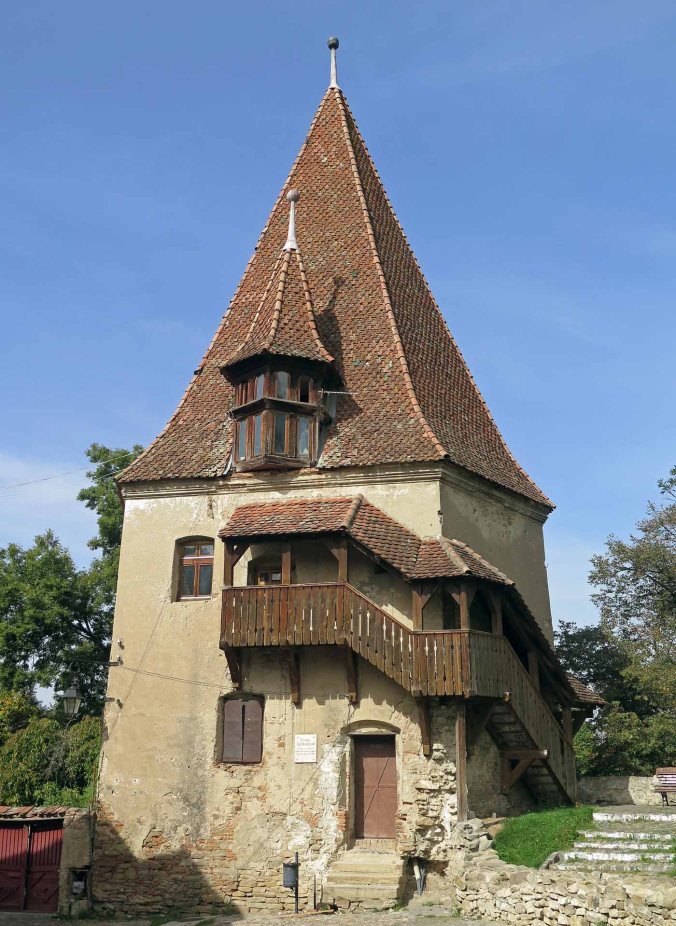
We had a whole day to explore Sighisoara, so in the morning we went around all the little cobbled streets in the Citadel. We went up the Clock Tower, where you can get amazing views of the city centre.


We had lunch at Restaurant Casa Vlad Dracul, the alleged birthplace of Vlad, the Impaler. This is a massive tourist hotspot, but I guess you can’t always say you’ve had a drink at Dracula’s house – so we gave it a go. You can also visit Vlad’s house in the same place – I gave it a miss but my boyfriend went in and said it was ridiculously cheesy.

We spent the rest of our time exploring some more of the the little streets and bastions around the Citadel. We then headed to Jo’s Pub, a local pizzeria at Hermann Oberth Square, before heading off to the train station.







Going on a train trip across Transylvania was on my list for a long time. But it was only when we were on the train from Brasov to Sibiu at 8pm with no lights on that I realised that maybe this wasn’t everyone’s idea of a nice holiday. Eventually the lights did come on, and after many stops in stations with no signs, we arrived in Sibiu perfectly on time.

It was a perfect late summer evening, so after dropping our things at the hostel, we still had time for a stroll around the city centre and a drink in one of the bars in the main square before going to bed.
We only had the morning to explore Sibiu before we got on our next train, but this was enough time to get to know the city centre. Sibiu has three squares right next to each other, with pedestrianised roads linking them together.
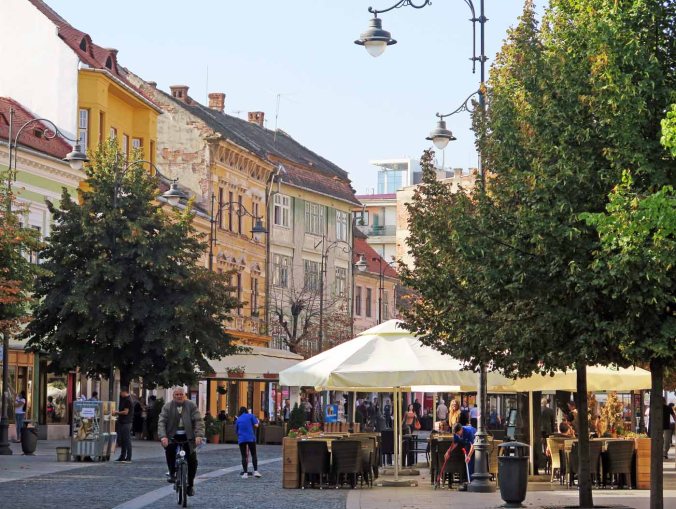
One of the squares hosts the Lutheran Basilica. You can walk up steep wooden steps (a bit scary) to get to the tower and get a nice view over the city. Tickets cost 8 lei.


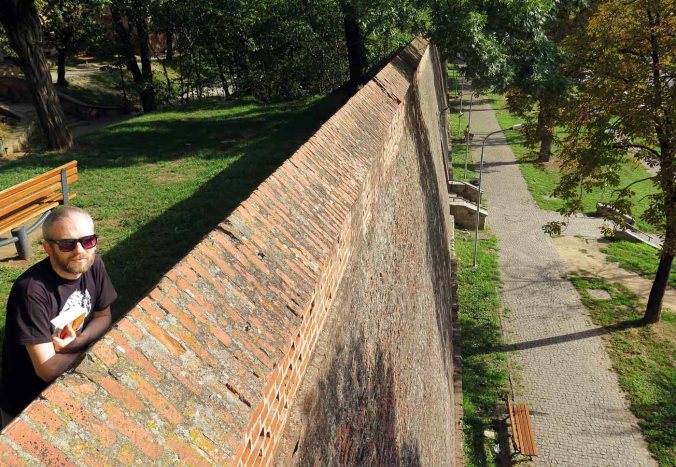
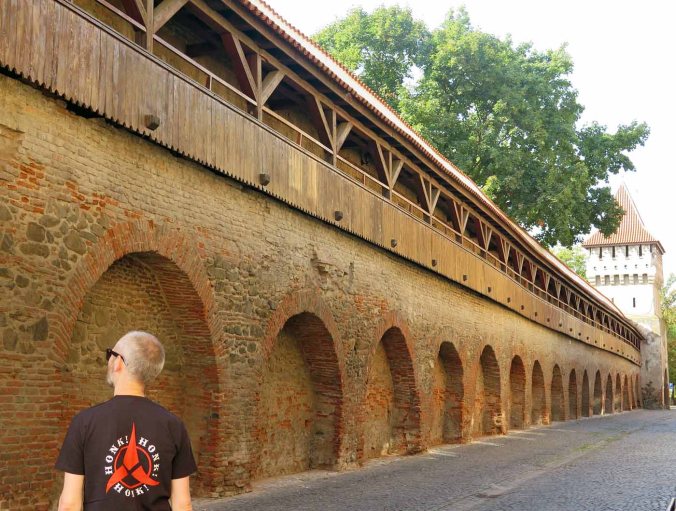
We also followed the path alongside the city walls before hopping on our next train!


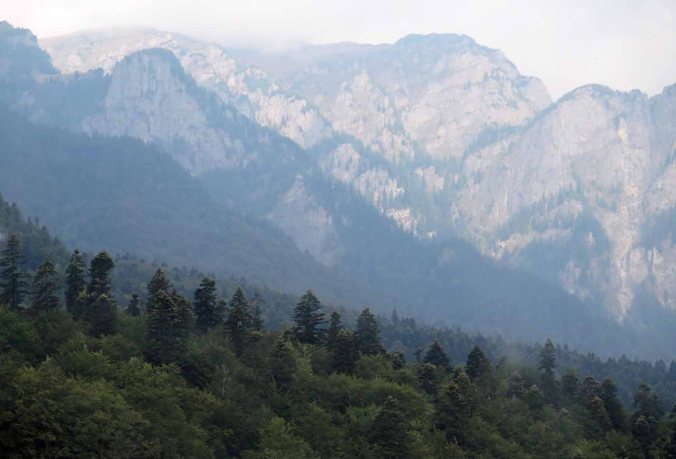
We took the train from Bucharest to Brasov early in the morning. This is a lovely journey, the scenery quickly changes from sunflower fields to impressive mountains and forests.

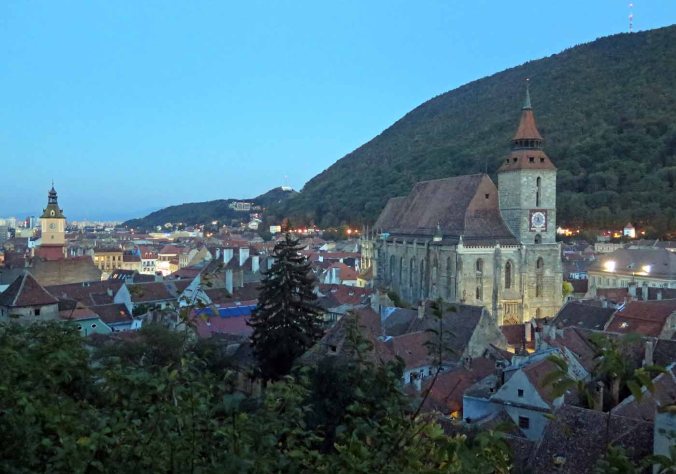
After dropping our things at the hotel, we went exploring the city centre. Brasov is the gateway to Transylvania, and it couldn’t be a better start for this trip. The old town centre is full of pedestrianised roads filled with shops and cafes. It was a beautiful sunny day, and the streets were full with locals and tourists enjoying the perfect weather.
We stopped for lunch at Pizza Vitto, one of the many Italian places around the city centre. Lunch for two including drinks and tip cost 63 lei (£10).

At the hotel they suggested we took a free walking tour, so we did. The tour was organised by Walkabout tours, and our guide, Iliana, showed us the main sites around the city centre. This was a great way of learning more about Brasov. We tipped 20 lei, which seemed exceedingly cheap for such a great experience. This is a daily tour which starts at 6pm in the summer and 10am in the winter.
After the tour we went for dinner at Bistro de L’arte, a nice place in one of the narrow streets in the city centre. Although it wasn’t particularly veggie-friendly, the food was delicious. Dinner for two including drinks and tip cost 85 lei (£15).

Around the city centre in Brasov, you can also go up two towers to get good views over the city centre: the White and Black towers are a quick hike from the main square and both are great for getting good photos of the many red roofs in the centre and the Hollywood-style sign over the city.


We also visited the Black Church, an impressive building just off the main square. The church was completely rebuilt after a fire, but the restauration efforts mean it’s very well preserved. There’s an impressive organ as well as Ottoman tapestry inside. Tickets cost 8 lei.
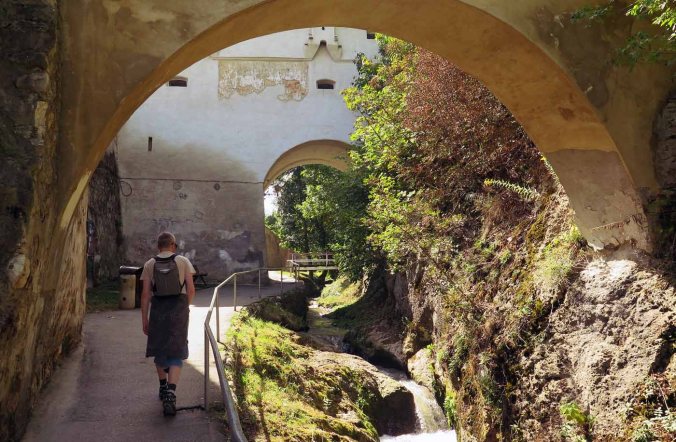
We stopped for lunch at Pilvax. Drinks and lunch cost 93 lei (£15). Our final stop of the day was Tipografia, a nice cocktail bar around the city centre. A relaxing break before we headed to the station to get on our next train!
You can’t visit Brasov without stopping at Bran Castle. Made famous by Bram Stoker’s Dracula, this castle is not actually where the real-life Dracula (Vlad, the Impaler) lived. But it’s still a nice castle in a pretty village – and on the lovely summer day we visited, it wasn’t really misty and foggy enough to spot any vampires around.

To get there, you can take a bus from Autogara 2 (one of the bus stations) in Brasov. Buses go hourly or every half an hour from platform 2, but frequency changes throughout the day. The journey takes about 50 minutes and tickets cost 7 lei (a little bit over £1).


Bucharest, like other Eastern European capitals, is memorable not because of famous attractions – it is the low-key, authentic atmosphere that makes for a great experience. Bar hopping in the Historic Quarter on a Sunday afternoon is how every great holiday should start!
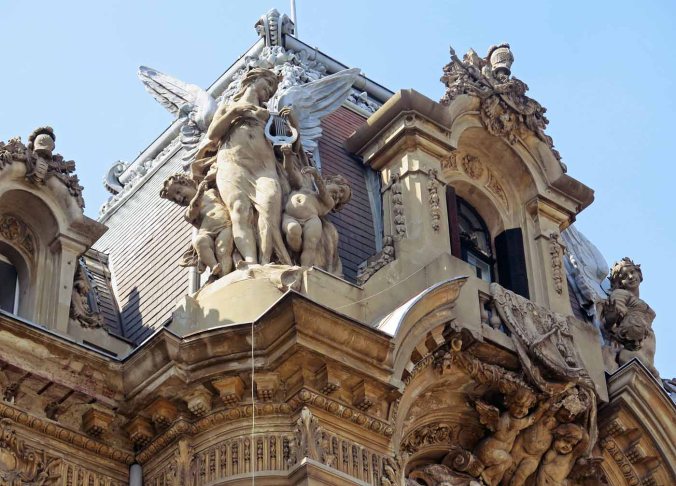
We arrived in Bucharest in the middle of the afternoon, so early in the evening we followed the nice Calea Victoriei to find a place for dinner. We found A1, a place that had a wide selection of beers and served great food, with lots of veggie options (the chips were really popular!). Dinner for two including drinks and tip for 85 lei (£15).

We had a whole day to explore the city, so again we followed Calea Victoriei and headed to the Historic Quarter. This is a nice and ample thoroughfare, with an impressive mishmash of old and new architecture.
We stopped for a drink at Primus, an Irish pub that had a relaxed atmosphere and served a great lemonade. We continued walking around until we reached the Historic Quarter. This is a nice area with impressive official buildings as well as lots of nice restaurants and cafes.

We stopped for a light meal at Finikia, a great Lebanese restaurant which had lots of veggie options. A light meal for two including tips cost 90 lei (just over £15), which is expensive by local standards but was great value for us!
The Historic Quarter is a pedestrianised area full of great bars and cafes. There are all sorts of options to choose from, including Belgian pubs and high end cocktail bars. We also stopped at La 100 de Beri, which had an impressive beer collection from around the world. Prices are higher in this area, but it’s all still very cheap by UK standards.
Near the Historic Quarter is the People’s Palace, the second-largest building in the world. An impressive building but that was all.


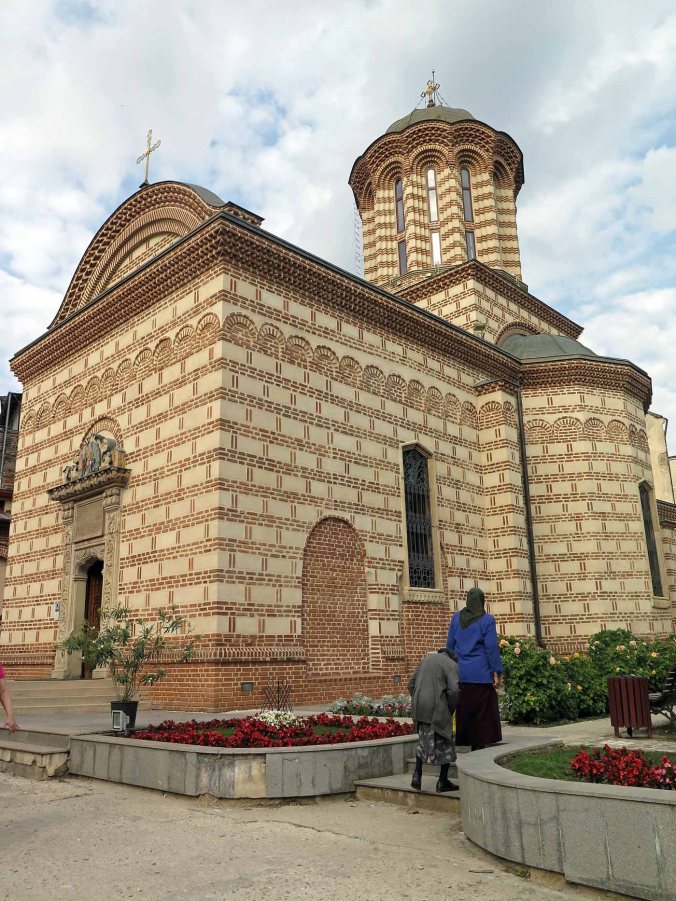


Krakow is perfect for a relaxing break. The city centre is relatively small, so you can see loads just by wandering around.

We started our first day in Krakow visiting the Barbican and the city walls, located at the entrance of the Old Town.

It was a beautiful sunny day, perfect for walking around. The Old Town of Krakow has a great Market Square (the largest medieval market square of Europe), with lots of shops and cafes.


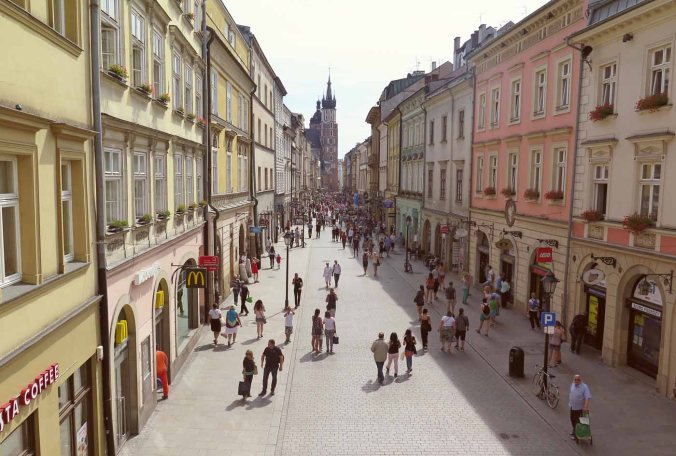
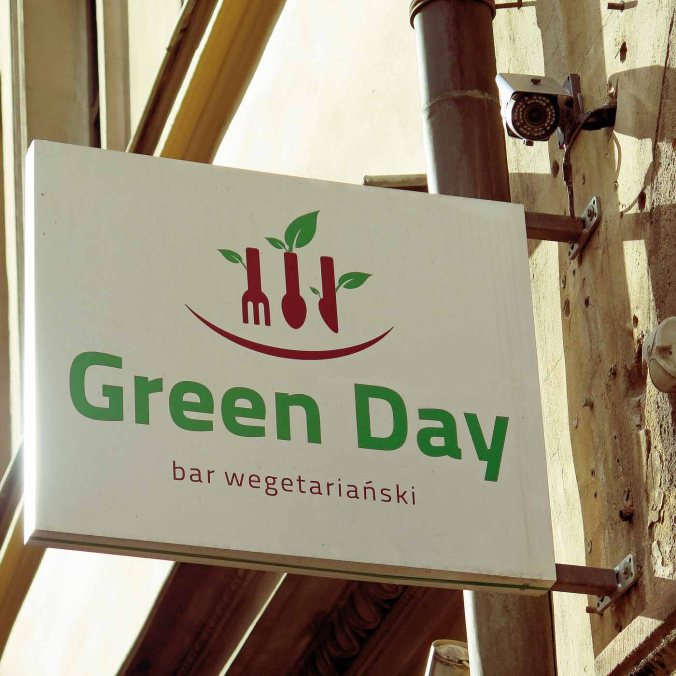
We stopped for lunch at Green Day – yes, they have a veggie restaurant called Green Day!! A meal for two and drink cost £5.50.
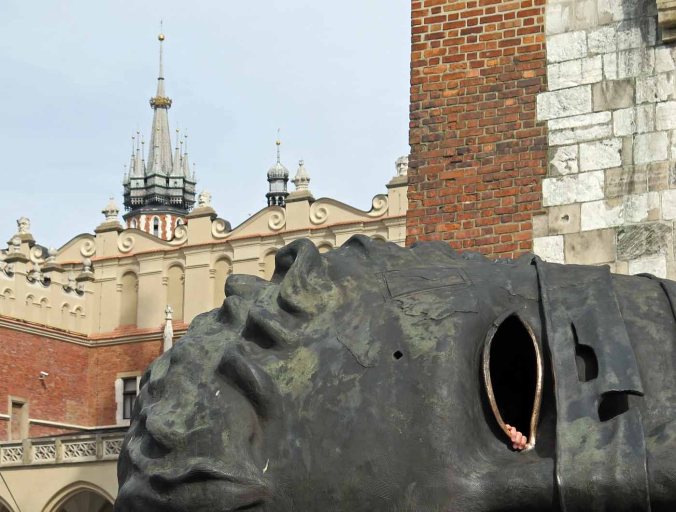
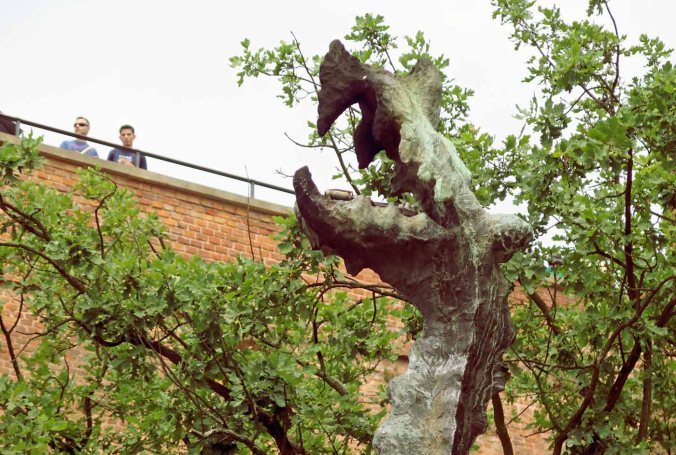
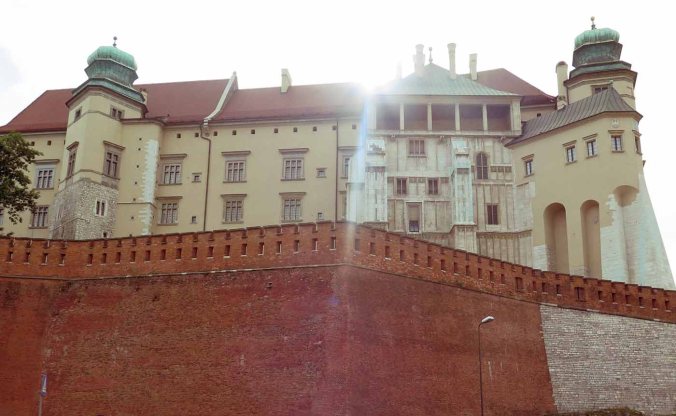
We continued along the narrow streets all the way to Wawel Castle – but we saved that for the next day.
Not far from the Old Town we stumbled upon Frania Cafe, a bar which is also a launderette and it was pretty cool.

Heading back to the Old Town we found a few more nice bars, so we stopped for a beer at the Beer Gallery, a Belgian bar near the market square.
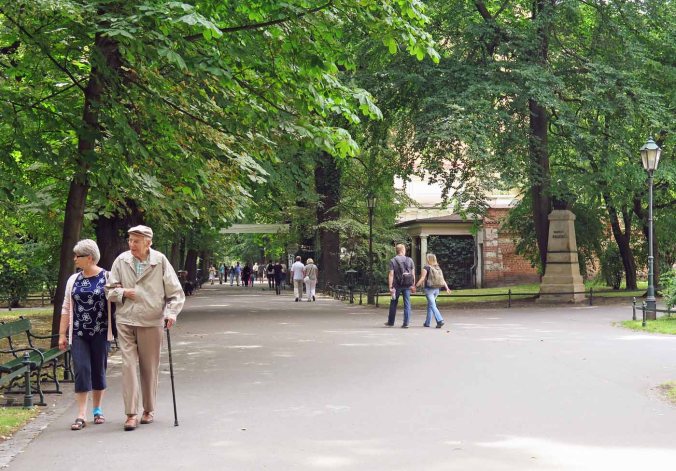
One of the best things in Krakow is that there is a park which goes all around the city walls. This is a great place for a walk, so on our second day in the city we made our way through the park to get to Castle Hill.
This is a great place to visit – you can see the many areas of Wawel Castle, visit the Cathedral and you also get great views over the river.


After leaving the castle, we went to the Jewish Quarter, an amazing neighbourhood full of history which is now home to lots of cool shops are cafes.

Wolnica Square is the perfect place for a little break, so we stopped for lunch at Cafe Mlynek.

We found lots of cool independent shops in Jozefa Street. The Jewish Quarter is also great for drinks, so we stopped at Bill Hickman (amazing décor), Propaganda (perfect soundtrack) and Strefa Piwa (they have the best beer map painted on the wall) – all really great places.

This was the end of our Poland adventure! Check out this post for tips on how to organise your trip.




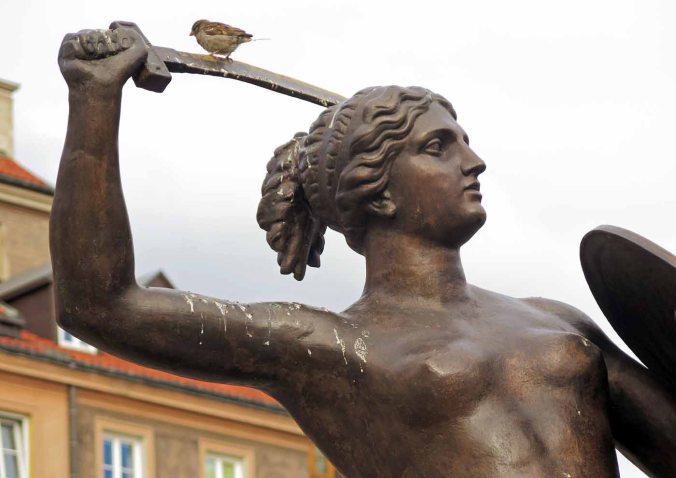
Warsaw was great – I didn’t really know what to expect, but it’s a beautiful city with a relaxed atmosphere and lots of cool places for eating and drinking. What else do you need?

We started our day in Warsaw at the Science and Culture Palace, which hosts lots of museums and other cultural hubs. You can go up this impressive building to get nice views over the city (tickets at 20 zloti per person).
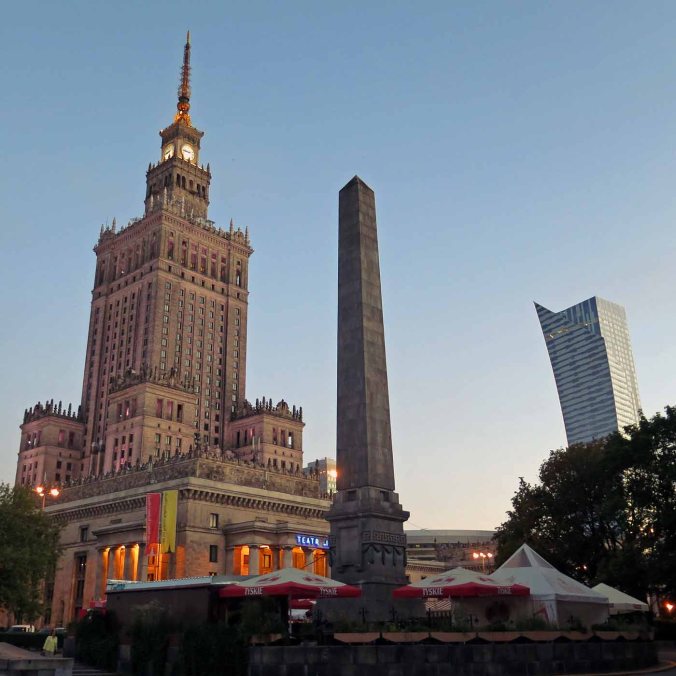


After taking in the view, we started walking towards the Old Town. We stopped for a quick drink at Aioli, a nice place for a cocktail on a sunny day (drinks looked amazing but were a bit watery). We then made our way to Novy Swiat (the Royal Way), a busy thoroughfare full of bars and restaurants.

For lunch we stopped at Vege Bistro, a little vegan cafe that served delicious pirogi (traditional Polish dumplings). A meal for two cost 53 zloti (around £9).
The Royal Way leads to the Old Town, which was completely rebuilt after the second World War – about 85% of Warsaw was destroyed then. This is a beautiful area to wander around for a few hours, stopping to lounge in the sun at one of the many cafes.


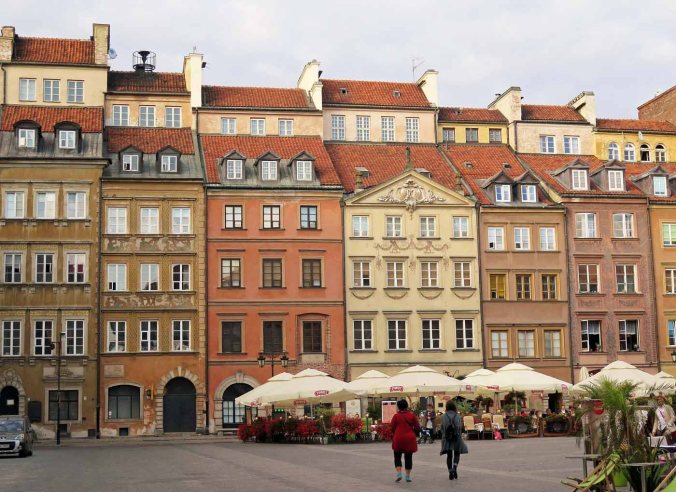
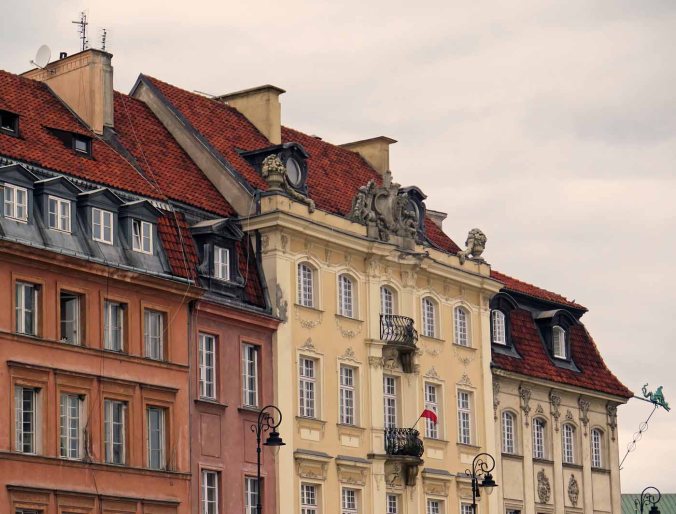
We found a great Belgian bar just off the Old Town. The Elephant Pub has a great selection of Belgian beers and is very nicely decorated. Perfect to recharge for a little bit.
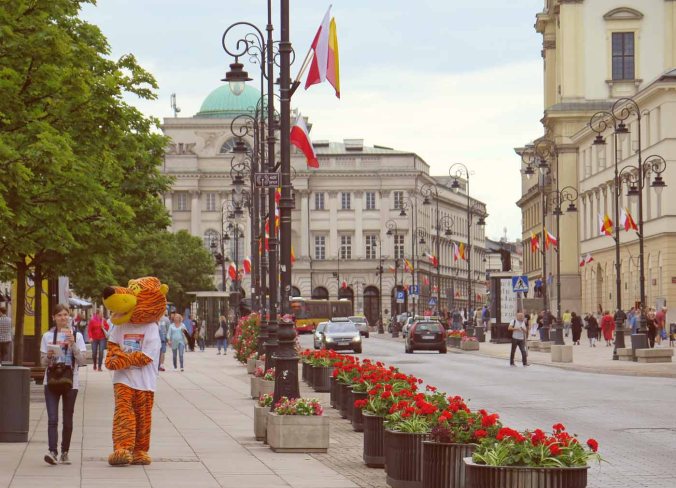
Our last stop of the day was Poznanska Street, which is full of cool bars and restaurants. We had pizzas at Vegan Pizza before heading back to the hotel.
What a nice day!



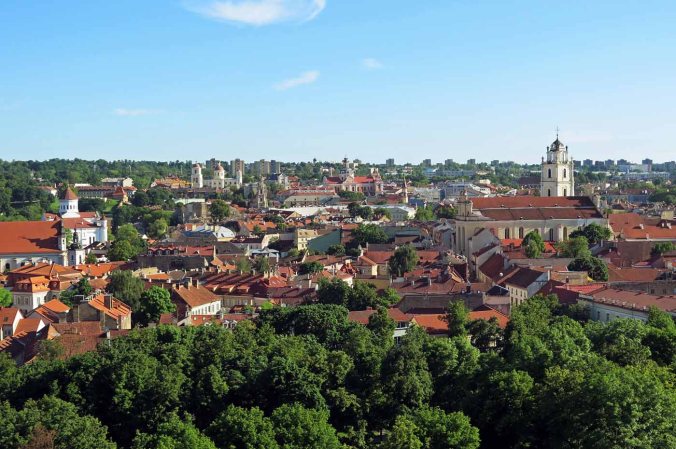
When I got off the plane after midnight in Vilnius, I had no idea what to expect. I ended up there because it was easy to go for a weekend, and when I boarded the plane I really had no expectations. But a weekend away in a new city never disappoints!
Vilnius is a small and quiet city, but in many ways it has a modern and vibrant atmosphere. You need to look in the right places, but there are plenty of bars, cafes and restaurants that are very cool.
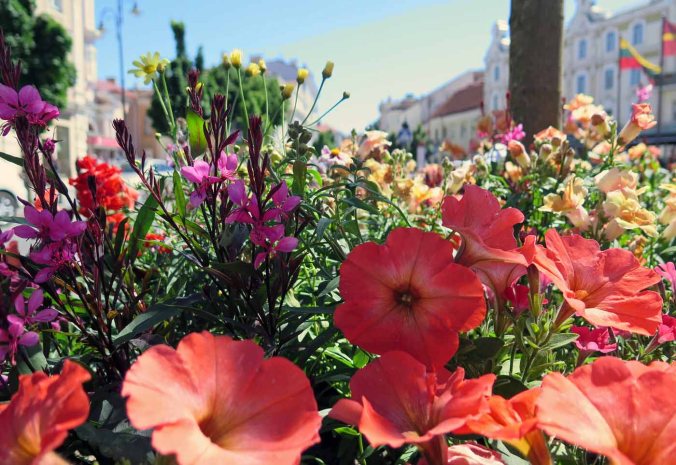
Vilnius’ Old Town is a Unesco Heritage site, with winding roads and historical buildings as you’d expect. There are lots of churches around, and when we visited it seemed like every single one of them had a wedding on. It’s a nice area to spend a few hours exploring, especially if it’s a nice day.
The main street is called Pilies and it cuts through the Old Town starting from the Gate of Dawn, the only remaining gate into the city.

After exploring the Old Town, we hiked up Gediminas Castle for a view over the city. It was a glorious sunny day, so we could see all the nice buildings in the Old Town as well as the newer areas of Vilnius.
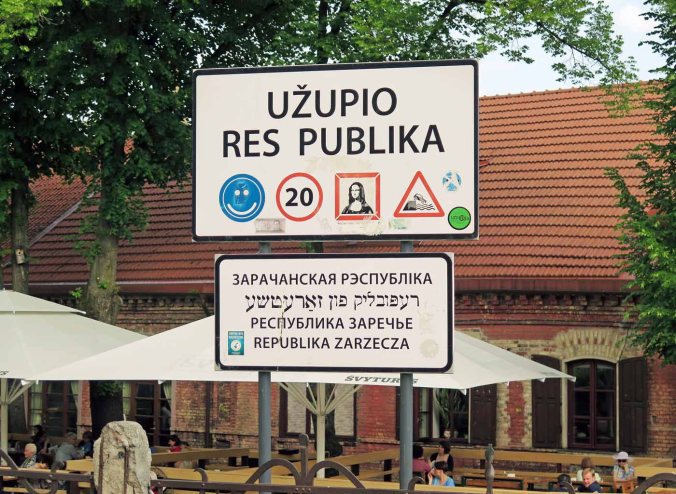
We started our second day walking to the Genocide Museum, which unfortunately was closed. So we crossed the city centre and headed to Uzupis, a neighbourhood home to artists which declared the area an independent republic in the 1990s.

There’s even a local constitution on display. It’s a nice area by the river, so we stopped for a quick beer.

Lithuanian food, as most Eastern European food, isn’t really veggie-friendly, so we did some research in advance to find good options. We had lunch at Namai, a very nice but hard to find vegetarian cafe which served great pasta. Lunch for two including tip cost 17.50€.
We also visited Gyvas, a vegetarian restaurant and bar which had lots of vegan options. It was alright but not great. Dinner and snacks including tip cost 18€. Another place we visited was Radharane, a hare krishna restaurant. Food was good, and the place was nice and a good option for a break. Lunch for two including tip cost 13€.

There were lots of nice bars in the Old Town, many with outside seating which was ideal. I sipped white wine in the nice Franki, watching wedding parties go by. We found the great Manu Kiemas Terasa, reminiscent of Budapest ruin bars, which was lively and pretty cool.
A great find was Bambalyne, a bar with an impressive selection of over 80 local beers. Like other good finds in Vilnius, this place is easy to miss if you’re not looking for it.
Lithuania is very cheap by British standards, with beers for £2 and a large glass of wine for less than £3.




 #
# 

 Julia's European Adventures